The Psychology of Simplicity: Why the Wealthy Wear Basics
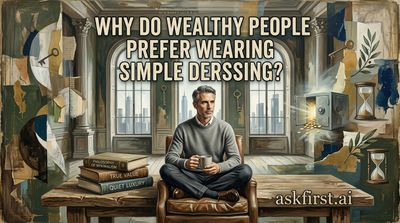
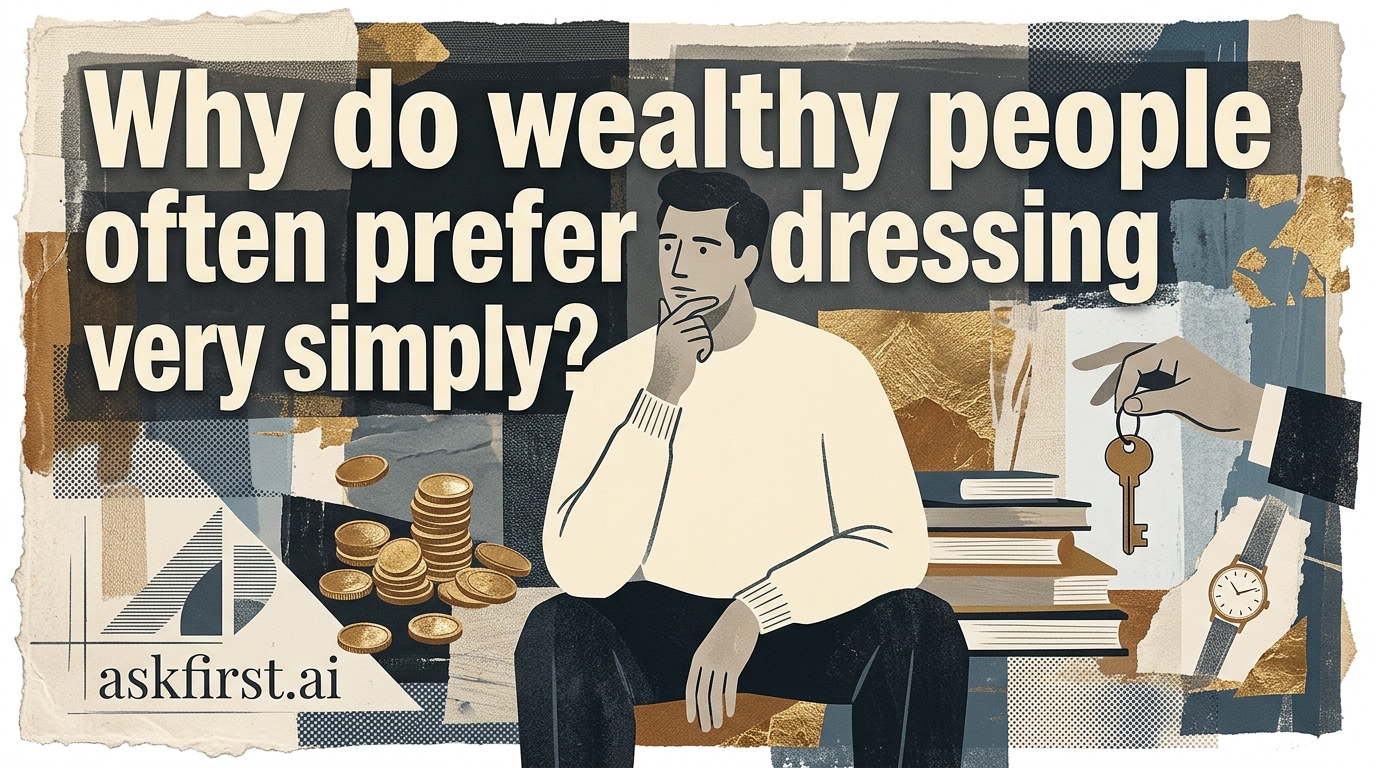
It is a recurring paradox: the world's most affluent individuals, those with the financial resources to acquire any luxury garment imaginable, frequently opt for a uniform of neutral tones, jeans, and unbranded staples. This phenomenon, often referred to as 'stealth wealth' or 'quiet luxury,' is not merely an aesthetic choice; it is a calculated behavioral strategy rooted in cognitive efficiency, psychological security, and status signaling.
Combating Decision Fatigue
The primary driver behind the simple wardrobe is the mitigation of decision fatigue. Psychologists define this as the deteriorating quality of decisions made by an individual after a long session of decision-making. By eliminating the choice of what to wear every morning, high-net-worth individuals preserve their mental bandwidth for high-stakes professional and creative decisions. When one's daily output involves managing massive organizations or complex financial structures, the reduction of trivial daily friction is a necessity, not a preference.
The Psychology of Social Signaling
Traditional luxury consumption often relied on overt displays of wealth—logos, monograms, and flashy jewelry. However, social dynamics have evolved. True status, in the modern context, is signaled through competence and exclusivity rather than material display. By wearing nondescript clothing, an individual signals that they exist outside the need for external validation. This conveys a specific type of confidence: the belief that one’s social standing is so secure that it does not require a billboard of brand names to prove its existence. This is a subtle, yet powerful, form of 'in-group' signaling that resonates strongly with other high-achievers.
Intellectual Independence and Authenticity
Simplicity serves as a mechanism to reclaim personal agency. Fashion cycles are designed to be fleeting, forcing consumers into a perpetual loop of purchasing to remain 'relevant.' Wealthy individuals who reject this cycle demonstrate a commitment to their own personal values rather than the dictates of the market. This choice fosters an image of authenticity and focus. Whether it is a dark turtleneck or a grey t-shirt, the uniform becomes a personal brand that represents consistency and reliability.
Economic Utility and Timelessness
There is also a practical, economic utility to the 'simple' wardrobe. High-quality basics—often made of superior materials like cashmere, merino wool, or organic cotton—offer longevity and comfort that trend-based luxury fashion cannot match. By investing in timeless pieces, these individuals avoid the obsolescence of seasonal trends. This investment mindset aligns with the fundamental principles that often lead to wealth creation: prioritizing durability, function, and long-term value over temporary, impulsive gratification. In essence, the uniform is a masterpiece of efficiency, combining high-quality utility with an understated presence that prioritizes the person over the product.