Cognitive Longevity: A Comprehensive Guide to Keeping Your Mind Sharp
Maintaining cognitive vitality is a multifaceted endeavor that requires a combination of neuroplasticity-inducing activities, physical health management, and lifestyle discipline. As we age, the brain’s ability to reorganize itself—known as neuroplasticity—remains active, provided it is consistently challenged and properly nourished.
1. The Pillars of Cognitive Health
To preserve mental acuity, one must address the brain as a biological organ that thrives on specific inputs and rest periods.
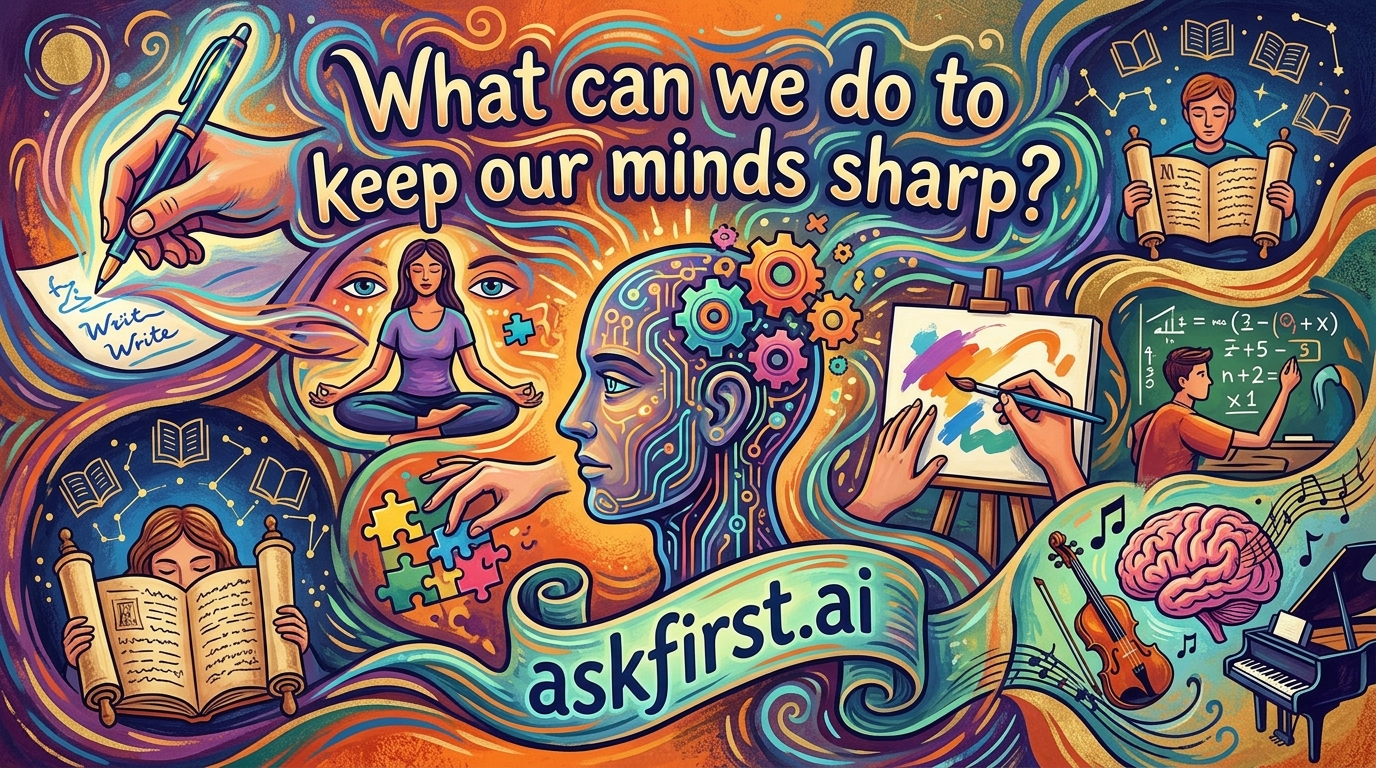
- Continuous Learning: The brain is a "use it or lose it" organ. Engaging in novel tasks—such as learning a second language, mastering a musical instrument, or studying a complex new subject—creates new neural pathways. This process, known as synaptogenesis, strengthens the brain's resilience against decline.
- Physical Exercise: Aerobic activity is perhaps the most potent intervention for brain health. Exercise increases the production of Brain-Derived Neurotrophic Factor (BDNF), a protein that supports the survival of existing neurons and encourages the growth of new ones. Aim for at least 150 minutes of moderate-intensity exercise per week.
- Nutrition: The "MIND diet," a hybrid of the Mediterranean and DASH diets, is clinically linked to slower cognitive decline. Focus on leafy greens, berries, nuts, whole grains, and omega-3 fatty acids found in fatty fish.
2. Practical Daily Habits for Mental Sharpening
Implementing small, consistent changes can yield significant long-term results.
- Prioritize Deep Sleep: During sleep, the glymphatic system clears metabolic waste products—such as beta-amyloid plaques—from the brain. Aim for 7–9 hours of quality sleep nightly.
- Social Engagement: Loneliness is a significant risk factor for cognitive decline. Regular, meaningful social interaction stimulates executive function and emotional regulation.
- Mindfulness and Meditation: Studies show that consistent meditation increases gray matter density in the hippocampus, the area of the brain responsible for memory and learning.
- Strategic Puzzles: While generic "brain games" have limited efficacy, activities that require high-level strategy—like chess, bridge, or complex logic puzzles—keep the prefrontal cortex active.
3. The Science of Neuroplasticity
Neuroplasticity is the brain's capacity to form and reorganize synaptic connections, especially in response to learning or experience. When you challenge yourself with a difficult task, you are forcing the brain to allocate more resources to that specific area. Over time, the brain becomes more efficient at these tasks, which is why experts emphasize the importance of novelty. Doing a crossword puzzle you have mastered provides less benefit than attempting to learn a new skill from scratch.
4. Pros and Cons of Cognitive Interventions
- Pros: Improved memory, faster processing speeds, better mood regulation, and a significantly lower risk of neurodegenerative diseases like Alzheimer’s or dementia.
- Cons: Cognitive training can be time-consuming, and results are not instantaneous. Furthermore, no single intervention is a "magic bullet"; success requires a cumulative, lifelong approach.
5. Future Trends
Emerging research into neuro-feedback and non-invasive brain stimulation (such as transcranial magnetic stimulation) offers potential avenues for those with existing deficits. Additionally, the rise of digital health platforms allows for personalized cognitive training, tracking progress through data analytics to optimize mental performance.
By integrating physical fitness, complex learning, and social connectivity, you create a robust "cognitive reserve," ensuring your mind remains sharp, agile, and resilient well into your later years.