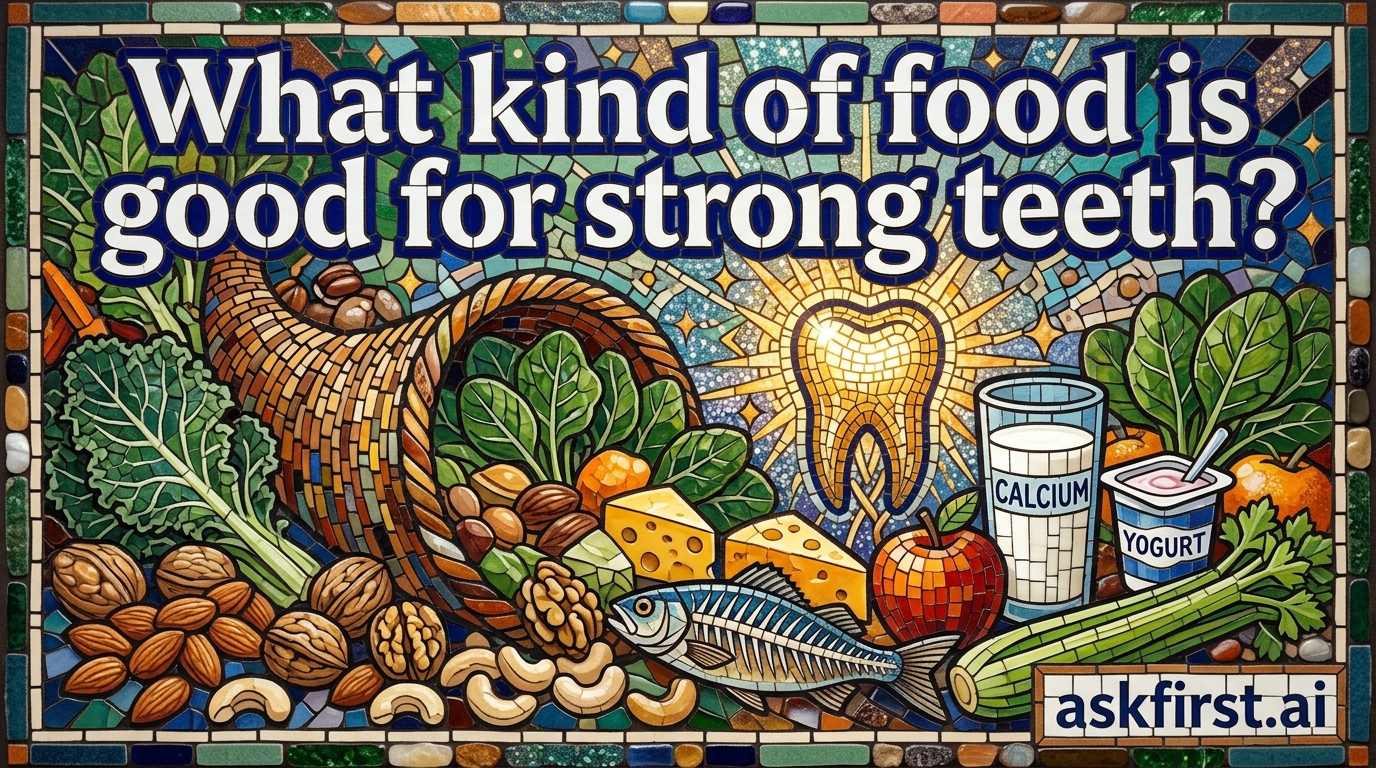
Nutritional Foundations for Optimal Dental Health: A Comprehensive Guide
Maintaining strong teeth requires a synergistic approach involving proper oral hygiene and a nutrient-dense diet. While brushing and flossing are essential for removing plaque, the structural integrity of your enamel and the health of your gums are heavily dependent on systemic nutrition.
Essential Nutrients for Dental Fortification
To build resilient teeth, the body requires specific micronutrients that facilitate remineralization and protect soft tissues.
- Calcium: The primary building block of enamel and dentin. Dairy products like yogurt, cheese, and milk are high in bioavailable calcium. For those who are lactose intolerant, fortified plant-based milks, almonds, and leafy greens (kale, bok choy) serve as excellent alternatives.
- Phosphorus: This mineral works in tandem with calcium to strengthen teeth. It is abundant in protein-rich foods such as lean meats, poultry, eggs, fish, and legumes.
- Vitamin D: Often referred to as the "gatekeeper" of bone health, Vitamin D is necessary for the body to absorb calcium. Deficiency can lead to weakened enamel and increased susceptibility to decay. Sunlight exposure and foods like fatty fish (salmon, mackerel) and egg yolks are primary sources.
- Vitamin C: Crucial for collagen production, Vitamin C maintains the health of your gums. A deficiency can lead to gingivitis or bleeding gums. Citrus fruits, strawberries, bell peppers, and broccoli are high in this essential vitamin.
Foods That Actively Protect Teeth
Beyond mere nutrients, certain foods offer physical or chemical benefits to your oral cavity.
- Crunchy, High-Fiber Fruits and Vegetables: Raw carrots, celery, and apples act as natural toothbrushes. Their fibrous texture stimulates saliva production, which is the mouth’s primary defense against acid erosion. Saliva contains minerals like calcium and phosphate that help neutralize harmful acids and remineralize enamel.
- Cheese and Dairy: Cheese is particularly effective because it raises the pH level in the mouth, reducing the risk of tooth decay. The casein protein found in cheese helps stabilize and repair tooth enamel.
- Green and Black Teas: These contain polyphenols that interact with plaque bacteria. These substances either kill or suppress bacteria, preventing them from growing or producing the acids that attack tooth enamel.
- Water (Fluoridated): Water is the healthiest beverage for your teeth. Drinking fluoridated water is one of the most effective ways to prevent cavities, as fluoride strengthens enamel and makes it more resistant to acid attacks.
What to Limit
A comprehensive dental health plan is incomplete without addressing "anti-nutrients." Sugary and acidic foods are the primary culprits behind enamel erosion. Sticky candies, carbonated sodas, and refined carbohydrates feed oral bacteria, which produce lactic acid as a byproduct. This acid demineralizes the tooth structure over time.
Future Trends and Conclusion
Current research is exploring the role of probiotics in oral health—specifically how certain "good" bacteria strains can outcompete cavity-causing pathogens. Furthermore, advancements in bio-active materials suggest that future dental care may rely even more heavily on dietary intake to trigger natural enamel repair. By focusing on a balanced diet rich in calcium, phosphorus, and essential vitamins while minimizing processed sugars, you can significantly enhance your dental longevity and overall systemic health. Always consult with a dental professional to tailor these dietary recommendations to your specific oral health needs.