The Cinematic Mirror: Can Movie Preferences Decode Your Personality?
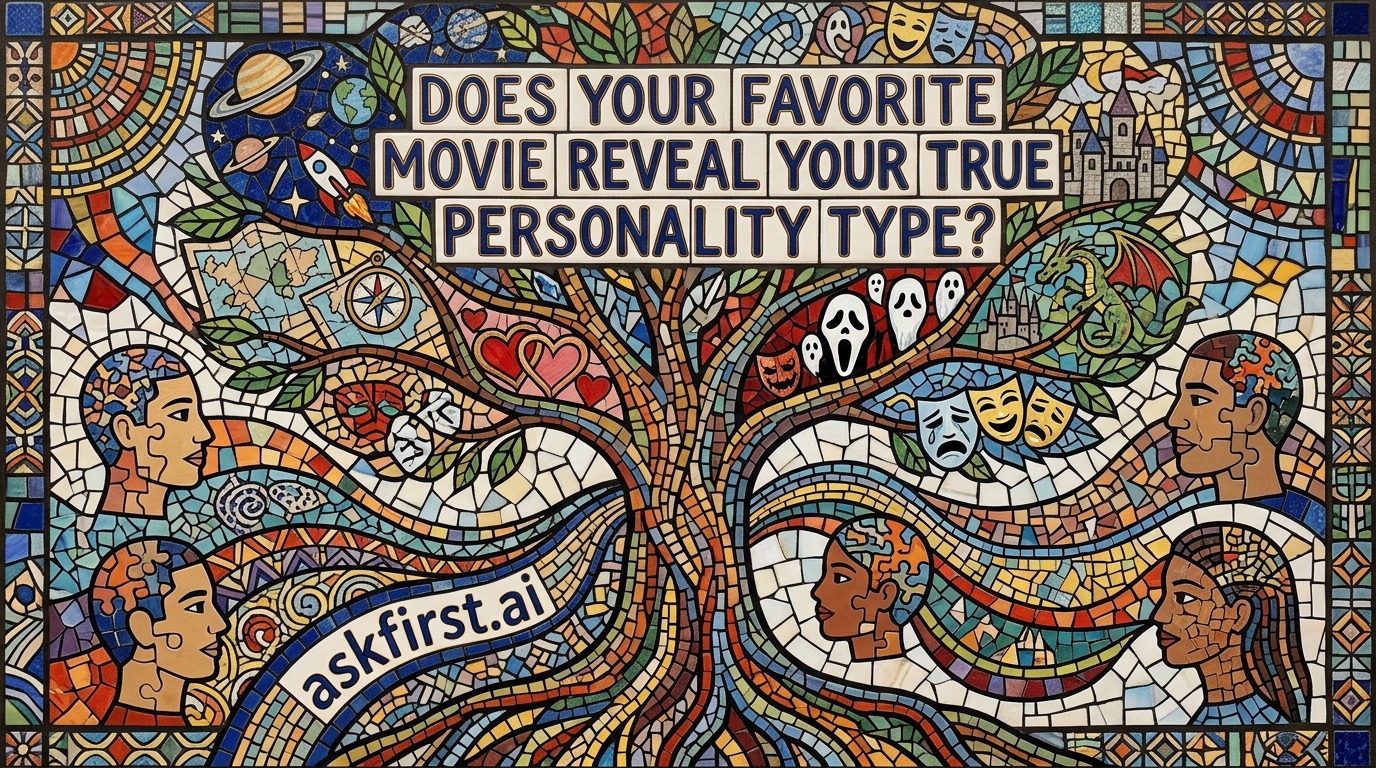
Psychological research suggests that human preferences are rarely accidental. While cinematic taste often feels like a subjective whim, studies in media psychology indicate that favorite movies act as a mirror, reflecting subconscious values, cognitive processing styles, and emotional needs. The concept of 'media-psychological profiling' argues that individuals are drawn to narratives that align with their underlying temperament.
The Psychology of Narrative Attraction
Cognitive resonance is a primary factor in this phenomenon. If a person values structure and logical resolution, they likely gravitate toward mystery or hard science fiction, genres that provide the brain with puzzles to solve. Conversely, individuals scoring high in 'Openness to Experience'—a trait within the Big Five personality framework—often prefer surreal, avant-garde, or complex arthouse films that challenge conventional worldviews.
Consider these behavioral correlations:
- High Agreeableness: Viewers who prioritize social harmony often enjoy character-driven dramas and romance, focusing on interpersonal dynamics and empathy.
- High Extraversion: Energetic individuals frequently prefer fast-paced action films, thrillers, or high-octane blockbusters that provide sensory stimulation and external excitement.
- High Conscientiousness: People who value order often find solace in historical biopics or procedural films where actions have clear, meaningful consequences and structures are upheld.
Why We Seek Cinematic Familiarity
Beyond basic personality traits, favorite movies often serve a function known as 'mood management theory.' Humans subconsciously select media to regulate their internal emotional states. A person experiencing high stress might return to a comforting, familiar animated movie not necessarily because of the plot, but because the specific narrative structure provides a psychological 'safe space' and emotional equilibrium.
Furthermore, the 'Transported into the Narrative' phenomenon explains how viewers adopt the perspectives of protagonists. When a favorite movie features a resilient hero, the viewer often identifies with that resilience, reinforcing their own self-concept. This creates a feedback loop: personality informs movie choice, and favorite movies subtly reinforce or validate existing personality characteristics.
The Myth of 'Just Entertainment'
It is a common misconception that film choice is superficial. While aesthetics matter, the emotional resonance of a film is rooted in the viewer's core values. For instance, a preference for dystopian films often suggests a heightened awareness of societal risks and an analytical mind, rather than a pessimistic disposition. The movies that resonate deeply are the ones that successfully mirror an individual's struggle to understand their place in the world.
In conclusion, while one cannot definitively map a personality solely based on a single film, clear patterns emerge when evaluating a person's top-rated list. By analyzing the themes, character arcs, and pacing of preferred media, one can gain significant insight into how an individual perceives reality, processes emotions, and interacts with their social environment.