Choosing the Ideal Sport for Children: A Comprehensive Developmental Guide
Selecting the right sport for a child is a pivotal decision that influences their physical health, social development, and psychological well-being. With thousands of options available, parents must balance a child's natural interests with the developmental benefits inherent in specific athletic disciplines.
The Pillars of Youth Athletic Development
Experts generally categorize sports into three tiers based on the primary developmental focus: individual sports, team sports, and non-competitive physical activities.
1. Team Sports: Building Social Intelligence
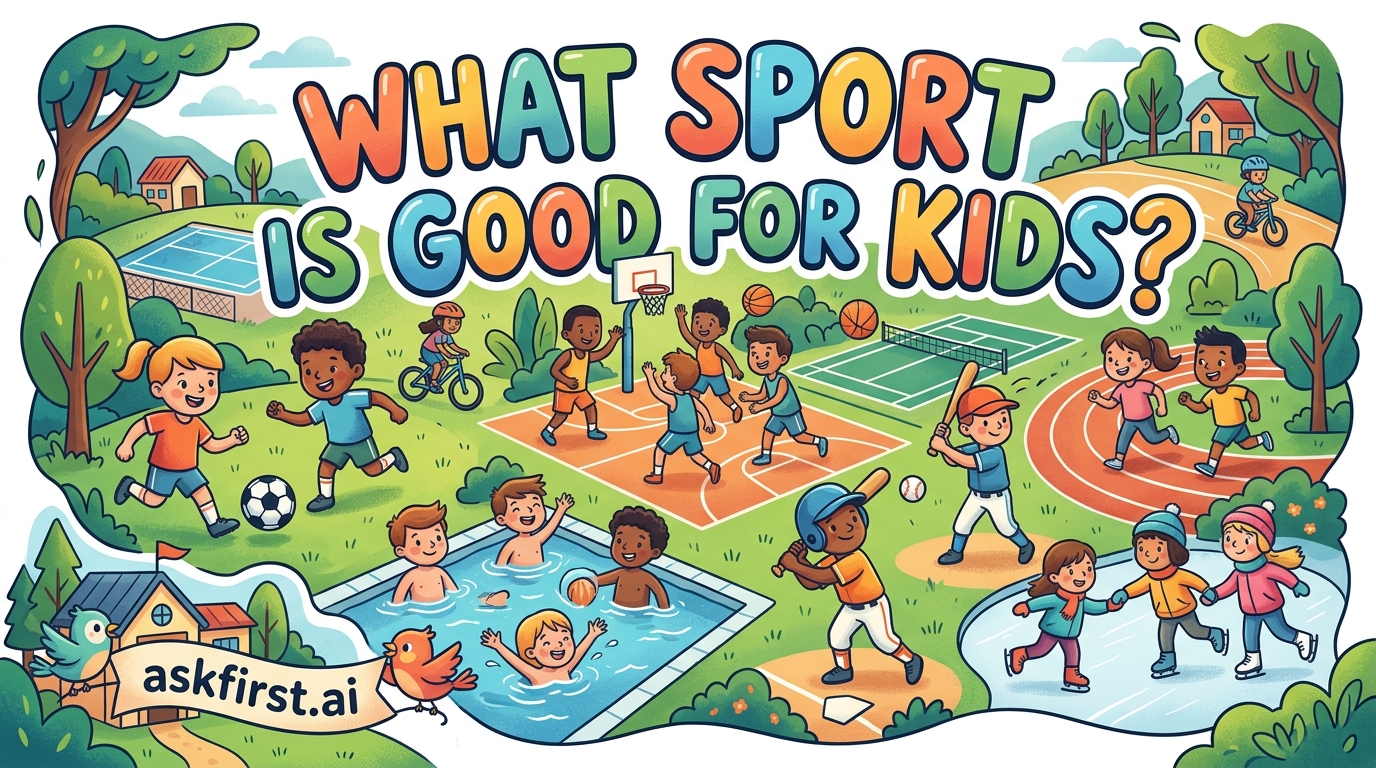
Team sports such as soccer, basketball, and baseball are essential for teaching interpersonal dynamics.
- Benefits: These sports foster cooperation, communication, and the concept of collective responsibility. Children learn how to handle both victory and defeat within a supportive social structure.
- Statistics: Studies suggest that children involved in team sports demonstrate higher levels of resilience and lower rates of social anxiety.
- Pros: Improved social skills, camaraderie, and structured discipline.
- Cons: Potential for high-pressure environments and uneven playing time, which can discourage less competitive children.
2. Individual Sports: Cultivating Self-Reliance
Sports like swimming, tennis, gymnastics, and martial arts shift the focus toward personal mastery.
- Benefits: These activities build internal motivation. Since the outcome rests solely on the child’s performance, they develop a strong sense of accountability and personal goal-setting.
- Swimming: Often considered the "essential" sport, swimming is a life-saving skill that provides a full-body workout with minimal joint impact.
- Martial Arts: Beyond physical fitness, disciplines like Judo or Karate emphasize mindfulness, respect, and self-defense, which are invaluable for emotional regulation.
How to Choose the Right Fit
When evaluating options, consider the "Three-Factor Framework":
- Temperament: Does the child thrive in high-energy, noisy environments (team sports), or do they prefer quiet, focused activities (individual sports)?
- Motor Skills: Some children excel in fine-motor coordination (archery, table tennis), while others are better suited for gross-motor activities (rugby, track and field).
- Logistics: Consistency is the key to longevity. A sport that is geographically accessible and fits the family schedule will always yield better results than a "perfect" sport that is logistically impossible.
The Role of Multi-Sport Exposure
Modern sports science strongly discourages early specialization. Research indicates that children who play multiple sports before the age of 12 have a lower risk of overuse injuries and are less likely to experience "burnout." By rotating through different disciplines—such as playing soccer in the fall and taking swimming lessons in the winter—children develop a broader range of athletic movements, which creates a more robust foundation for future performance.
Future Trends in Youth Athletics
As we look toward 2026 and beyond, there is a rising trend in "lifestyle sports" such as skateboarding, rock climbing, and surfing. These activities are less governed by traditional league structures, providing children with a sense of autonomy and creative expression. These sports are increasingly recognized for their ability to build core strength and spatial awareness while promoting a "growth mindset" through trial and error.
Ultimately, the "best" sport is the one that keeps the child moving, smiling, and returning for the next practice. Prioritize fun and skill acquisition over competitive trophies to ensure a lifelong love for physical activity.