The Global Smartphone Hegemony: Which Brand Reigns Supreme?
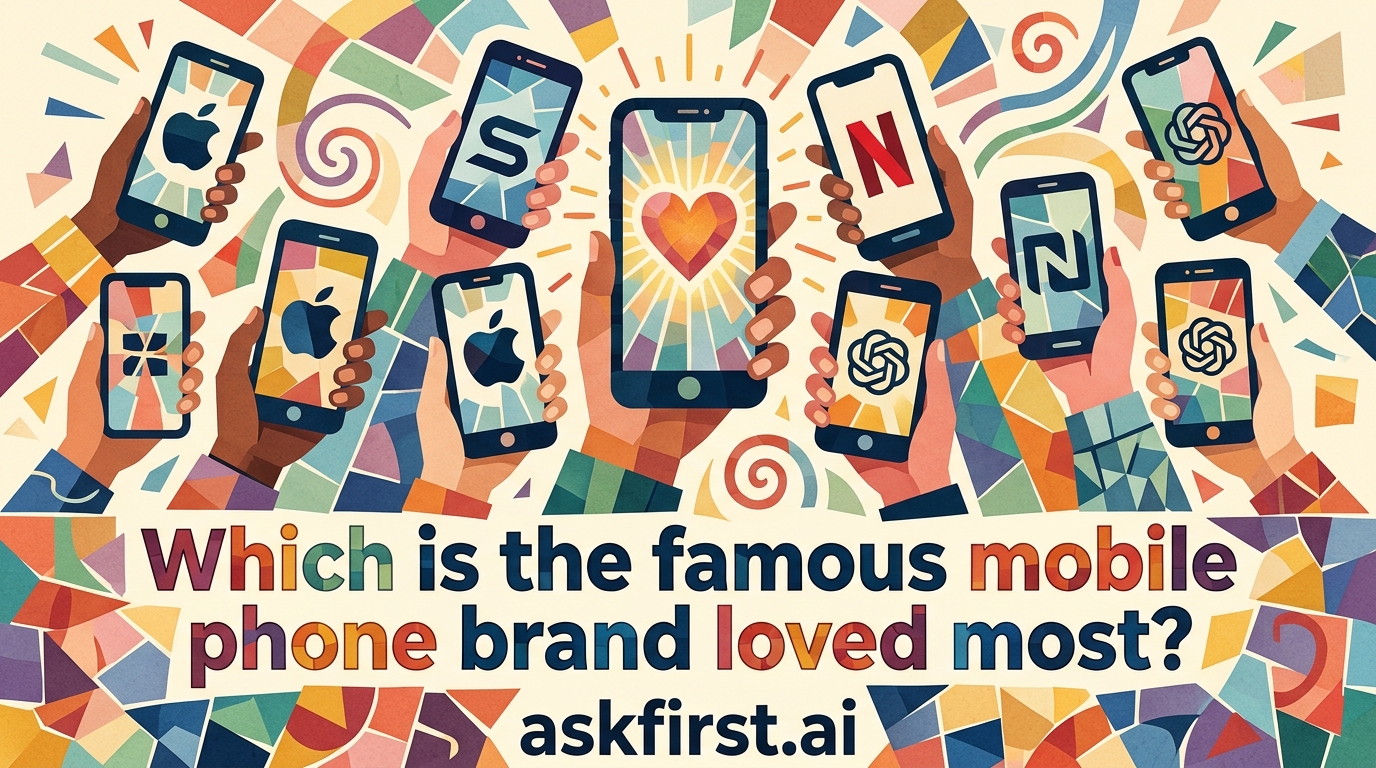
In the current technological landscape, determining the "most loved" mobile phone brand is a complex intersection of market share, brand loyalty, user experience, and cultural impact. While preferences vary by region, two companies consistently dominate the global conversation: Apple (iPhone) and Samsung (Galaxy).
The Titans of the Industry
1. Apple: The Ecosystem Master
Apple remains the most valuable brand in the world, often cited for its unparalleled customer loyalty.
- The "Walled Garden": Apple’s proprietary iOS ecosystem, which seamlessly integrates iPhones with Macs, iPads, and Apple Watches, creates a "stickiness" that few competitors can replicate.
- Design and Status: Apple is widely perceived as a luxury brand. The iPhone is often considered a status symbol, maintaining high resale value compared to Android counterparts.
- Privacy and Security: Apple’s stringent stance on user privacy has become a primary selling point for consumers concerned about data harvesting.
2. Samsung: The Innovation Pioneer
Samsung stands as the largest Android manufacturer, beloved for its hardware versatility and innovation.
- Display Dominance: Samsung is the world’s leading manufacturer of OLED screens, providing the best visual experience in the mobile market.
- Product Diversity: Unlike Apple, which targets the premium segment, Samsung offers devices at every price point, from the budget-friendly Galaxy A-series to the high-end, foldable Galaxy Z series.
- Customization: Android’s open nature allows users to customize their interface, file management, and hardware features, which appeals to power users.
Measuring "Love": Key Metrics
To define "most loved," analysts look at three primary metrics:
- Net Promoter Score (NPS): Apple consistently leads in NPS, reflecting the likelihood of users to recommend the iPhone to friends and family.
- Brand Retention: Statistics show that iPhone users have a retention rate exceeding 90%, the highest in the industry.
- Market Share: Samsung currently holds the largest global market share by volume, proving its massive popularity in emerging markets like India, Southeast Asia, and Latin America.
Emerging Contenders
While the "Big Two" dominate, other brands have cultivated intense, niche fanbases:
- Google (Pixel): Loved for its "pure" Android experience and industry-leading computational photography.
- Xiaomi: A favorite in global markets for providing flagship-level specifications at extremely competitive, often disruptive, price points.
- OnePlus: Originally built on a "community-first" model, it remains a favorite among tech enthusiasts who prioritize performance and fast charging.
Pros and Cons at a Glance
| Brand | Pros | Cons |
|---|---|---|
| Apple | Ecosystem, Privacy, Resale Value | High Cost, Limited Customization |
| Samsung | Display Quality, Hardware Variety | Software Bloatware, Slower Updates |
Future Trends
The mobile industry is shifting toward Artificial Intelligence (AI) integration and Foldable Technology. The brand that successfully integrates generative AI into the daily user experience without compromising privacy or battery life will likely define the "most loved" status for the next decade. As of 2026, the battle remains a binary choice between the seamless elegance of Apple and the hardware-driven versatility of Samsung. Ultimately, "love" for a brand is subjective, depending on whether a user values a closed, polished ecosystem or an open, customizable experience.