Comprehensive Guide to Toddler Sleep Hygiene
Establishing healthy sleep habits for a toddler (ages 1 to 3) is a cornerstone of child development. At this stage, children typically require 11 to 14 hours of sleep in a 24-hour period, including naps. Achieving this requires a combination of consistency, biological alignment, and environmental optimization.
1. The Science of Circadian Rhythms
Toddlers thrive on predictability. Their internal clocks are highly sensitive to light and routine. To regulate their circadian rhythm:
- Morning Sunlight: Expose your toddler to natural light immediately upon waking to suppress melatonin production.
- Consistent Wake-Up Times: Keep wake-up times within a 30-minute window every day, even on weekends, to prevent "social jetlag."
- Nap Management: Most toddlers transition to one midday nap around 15–18 months. Ensure the nap ends by 3:00 PM to protect their "sleep pressure" for bedtime.
2. The Bedtime Ritual: A Step-by-Step Guide
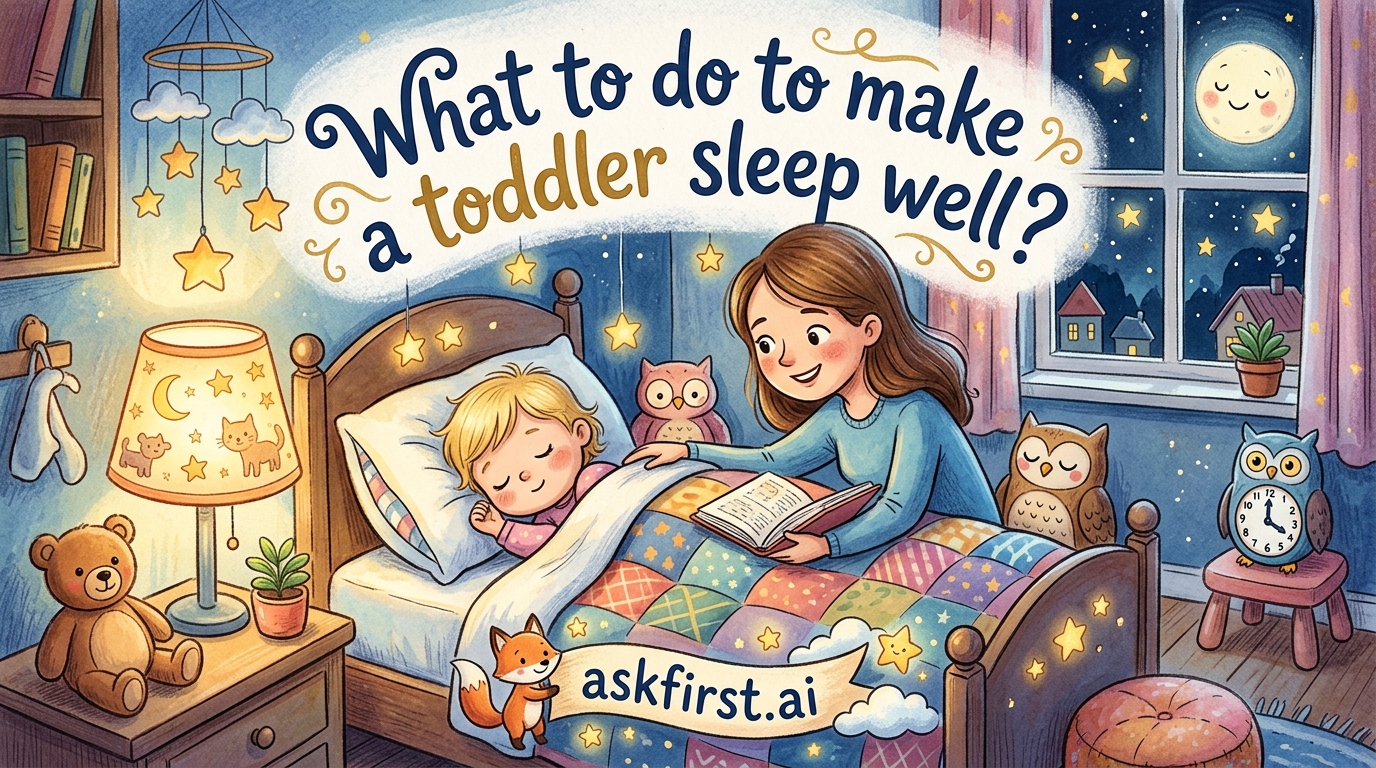
A structured routine signals to the brain that sleep is imminent. Aim for a 30-minute window:
- Bath Time: Warm water helps lower core body temperature, which is a biological trigger for sleep.
- Dim Lighting: Turn off overhead lights 60 minutes before bed. Blue light from screens (tablets, TVs) must be avoided, as it inhibits melatonin.
- Calming Activities: Read two books or engage in quiet, low-energy play. Avoid roughhousing or high-stimulation activities.
- The "Check-In": Offer a consistent verbal cue, such as "It is time for sleep now," to reinforce the transition.
3. Environmental Optimization
The sleep environment, or "sleep sanctuary," must be optimized to prevent night wakings:
- Temperature Control: Keep the room between 68–72°F (20–22°C). Overheating is a common cause of restlessness.
- Blackout Curtains: Darkness is essential. Even small amounts of light can disrupt the production of melatonin.
- White Noise: Use a continuous white noise machine to mask household sounds (doorbells, footsteps, pets).
4. Addressing Behavioral Challenges
Toddlers often exhibit "sleep resistance" as they assert independence.
- The "Bedtime Pass": Give the child one physical card to use for a single request (e.g., one more hug, one more drink). Once used, they must stay in bed.
- Graduated Extinction: If the child leaves the bed, calmly and silently return them to their room with minimal eye contact or conversation. Consistency is the primary factor in success.
- Separation Anxiety: If the child is fearful, provide a "transitional object" like a small blanket or a stuffed animal that is safe for their age group.
5. Pros and Cons of Sleep Training
- Pros: Improved cognitive function, better emotional regulation, and increased parental mental health. A well-rested toddler is significantly less prone to tantrums.
- Cons: The process requires immense parental patience and short-term exhaustion. It may be met with protest as the child tests boundaries.
Future Trends
Research into "sleep-tech" is expanding, including smart monitors that track movement and breathing patterns. However, experts emphasize that behavioral intervention remains superior to technological solutions. By fostering a secure, predictable, and dark environment, you provide the foundation for a lifetime of healthy sleep hygiene. If sleep issues persist despite these efforts, consult a pediatrician to rule out sleep apnea or other medical concerns.