The Science and Psychology of Sleeping Positions
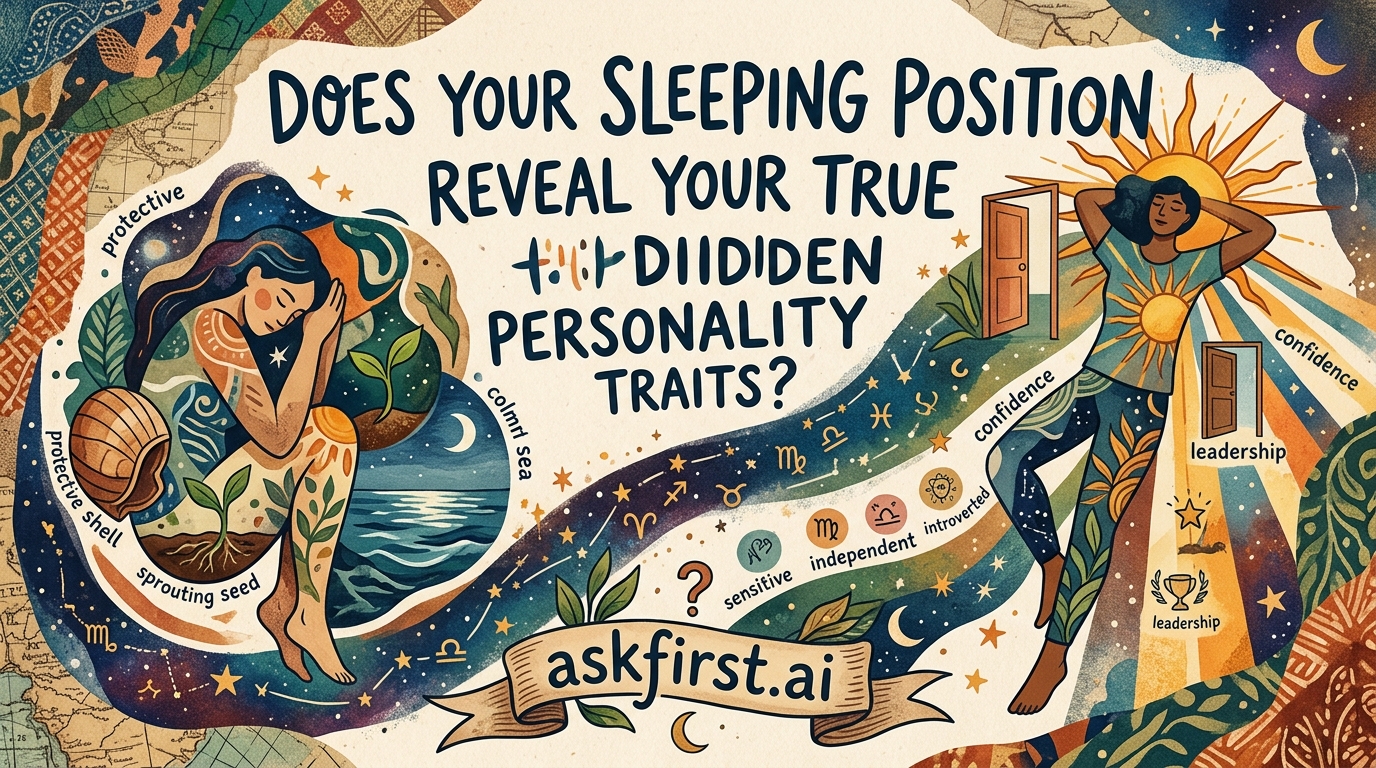
The study of how sleeping positions correlate with personality traits is a field often categorized under "sleep psychology" or "behavioral body language." While not a hard science like neurology, researchers such as Professor Chris Idzikowski, a sleep expert who conducted a famous study on 1,000 subjects, have identified recurring patterns that link physical posture during sleep with subconscious personality indicators.
Common Sleeping Positions and Personality Correlations
Research suggests that the position we assume when drifting off reveals how we handle stress, social interactions, and our inner emotional state.
- The Fetal Position (The Most Common)
- Description: Curled on one side with knees drawn toward the chest.
- Traits: People who sleep in the fetal position are often described as having a tough exterior but a sensitive interior. They may appear shy or hesitant upon first meeting, but they are generally warm-hearted and empathetic once they feel comfortable.
- The Log Position
- Description: Sleeping on one side with both arms down at the sides.
- Traits: This position suggests a social, easy-going, and trusting personality. These individuals are often popular and enjoy being part of the "in-crowd." However, their trusting nature can sometimes make them prone to being gullible.
- The Yearner Position
- Description: Sleeping on the side with both arms stretched out in front of the body.
- Traits: This implies a complex personality—open and inviting, yet cynical and suspicious. These individuals are often slow to make decisions, but once they commit, they are steadfast and rarely change their minds.
- The Soldier Position
- Description: Lying flat on the back with arms pinned to the sides.
- Traits: These sleepers are often quiet, reserved, and hold themselves to high standards. They are typically structured, disciplined, and possess a strong sense of duty.
- The Freefall Position
- Description: Lying on the stomach with arms around a pillow and head turned to the side.
- Traits: Often described as gregarious and brash, these individuals may feel they lack control over their lives. They are sometimes sensitive to criticism and can be prone to anxiety.
- The Starfish Position
- Description: Lying on the back with arms raised up around the pillow.
- Traits: These are typically good listeners and supportive friends. They are comfortable being in the background and generally prefer not to be the center of attention.
Limitations and Scientific Context
It is critical to note that while these correlations are statistically interesting, they are not diagnostic tools. Several external factors influence sleep posture:
- Physical Comfort: Chronic pain, acid reflux, or pregnancy often dictate sleep position, overriding personality-driven tendencies.
- Environmental Factors: Temperature, mattress quality, and shared bed space (co-sleeping) significantly alter how we position ourselves.
- Evolutionary Psychology: Some scientists argue that sleeping positions are merely a byproduct of evolutionary survival instincts—protecting vital organs (fetal) vs. remaining alert (log).
Future Trends and Conclusion
As wearable technology and AI-driven sleep tracking improve, researchers are beginning to analyze sleep movement patterns rather than just static positions. Future studies may look at how "tossing and turning" throughout the night correlates with cognitive processing and emotional regulation. While your sleeping position does not define your destiny, it serves as a fascinating window into your subconscious habits, reflecting how you seek security, comfort, and control in your waking life.