Financial Optimization: Habits to Avoid for Wealth Accumulation
Achieving long-term financial stability requires a rigorous audit of daily behaviors. Many people find their savings accounts stagnant not due to a lack of income, but due to "leaky bucket" spending habits—small, recurring expenses that compound over time. To optimize your financial health, you must identify and eliminate specific counterproductive habits.
1. The "Convenience Tax" and Impulse Consumption
The most pervasive drain on personal finances is the persistent reliance on convenience.
- Dining Out and Delivery Apps: Frequent use of food delivery services (e.g., UberEats, DoorDash) incurs service fees, delivery charges, and inflated menu prices. Preparing meals at home can reduce food costs by 60-70%.
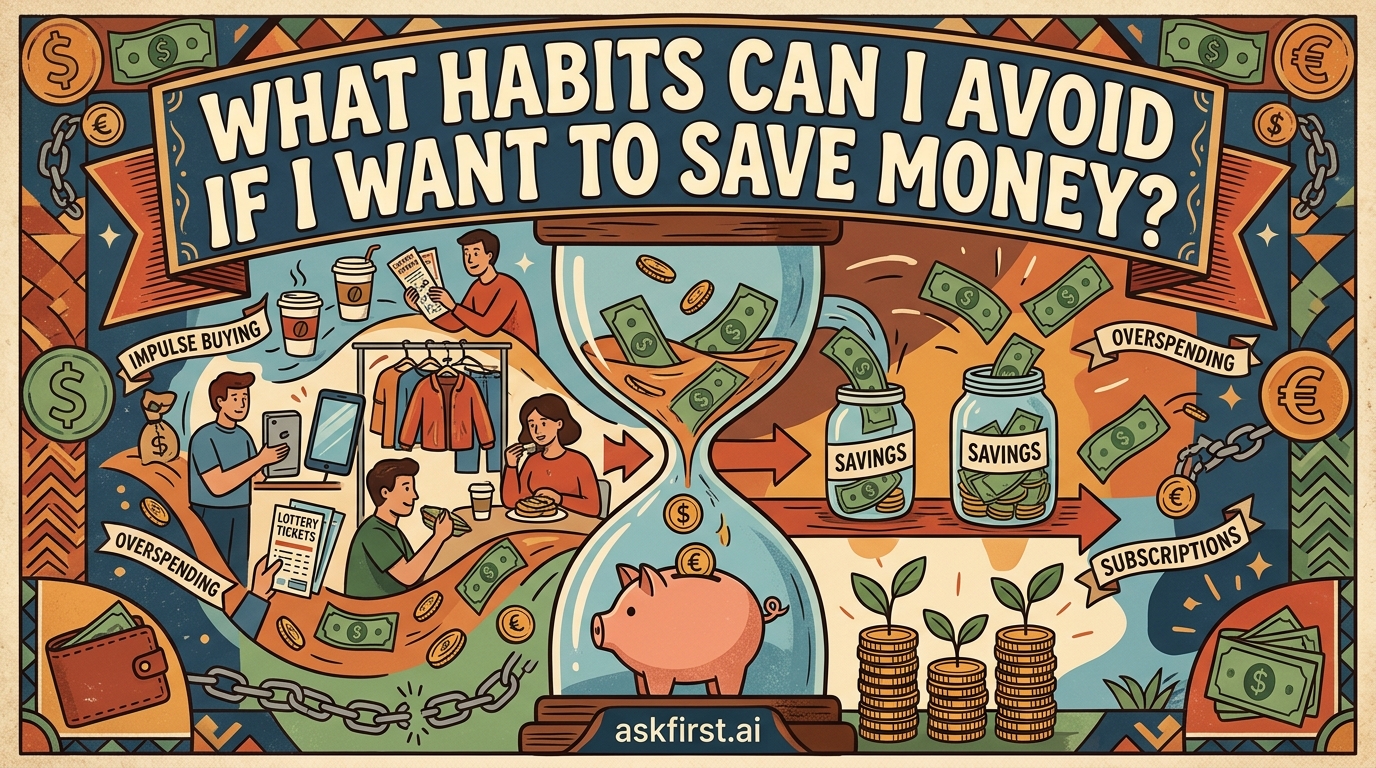
- Subscription Overload: Many consumers subscribe to multiple streaming services, gym memberships, or software tools they rarely use. Audit your recurring charges monthly; if a service is not used weekly, cancel it.
- Impulse Purchases: Online shopping, facilitated by "one-click" checkout and algorithmic recommendations, encourages emotional spending. Implement a 48-hour rule: if you want a non-essential item, wait two days before purchasing it to see if the desire persists.
2. Financial Management Pitfalls
Beyond consumption, poor administrative habits significantly erode wealth.
- Neglecting High-Interest Debt: Carrying credit card balances is a mathematical disaster. With average APRs often exceeding 20%, the interest paid effectively cancels out any savings effort. Prioritize the "Debt Avalanche" method—paying off the highest interest rate debt first—to minimize total outflow.
- Lack of Budgeting: Without a defined budget, money is treated as an infinite resource. Implementing a "Zero-Based Budget" (where every dollar is assigned a job) prevents lifestyle creep, a phenomenon where expenses rise in tandem with income.
- Ignoring Transaction Fees: Frequent ATM withdrawals from out-of-network machines or maintaining accounts with monthly maintenance fees are preventable losses. Switch to high-yield savings accounts or credit unions that waive these costs.
3. The Psychology of Lifestyle Creep
Lifestyle creep occurs when individuals increase their standard of living as they earn more. This habit is the primary reason high earners often live paycheck to paycheck. To avoid this:
- Automate Savings: Treat your savings contribution like a mandatory bill. Set up automatic transfers to a brokerage or high-yield savings account on payday.
- Practice "Stealth Wealth": Avoid the pressure to keep up with social trends or expensive luxury goods. Focus on the long-term compounding benefits of investing that capital instead.
4. Future Trends and Sustainability
As digital finance evolves, "Buy Now, Pay Later" (BNPL) services are becoming a major trap. While they offer interest-free installments, they often obscure the total cost of goods, leading to over-leveraging. Avoiding BNPL is essential for maintaining a healthy debt-to-income ratio.
Summary Table: Impact Analysis
| Habit | Financial Impact | Remediation Strategy |
|---|---|---|
| Daily Takeout | High (Annual cost >$2,000) | Meal prep Sundays |
| Unused Subscriptions | Moderate ($300-$600/yr) | Quarterly audit |
| Credit Card Interest | Extreme (Compound loss) | Debt consolidation/Snowball |
| Impulse Shopping | Variable (High) | 48-hour cooling-off period |
By systematically eliminating these habits, you transition from a state of reactive spending to proactive wealth building, ensuring your capital serves your future goals rather than temporary convenience.