The Digital Pantheon: Celebrity Culture as Modern Secular Worship
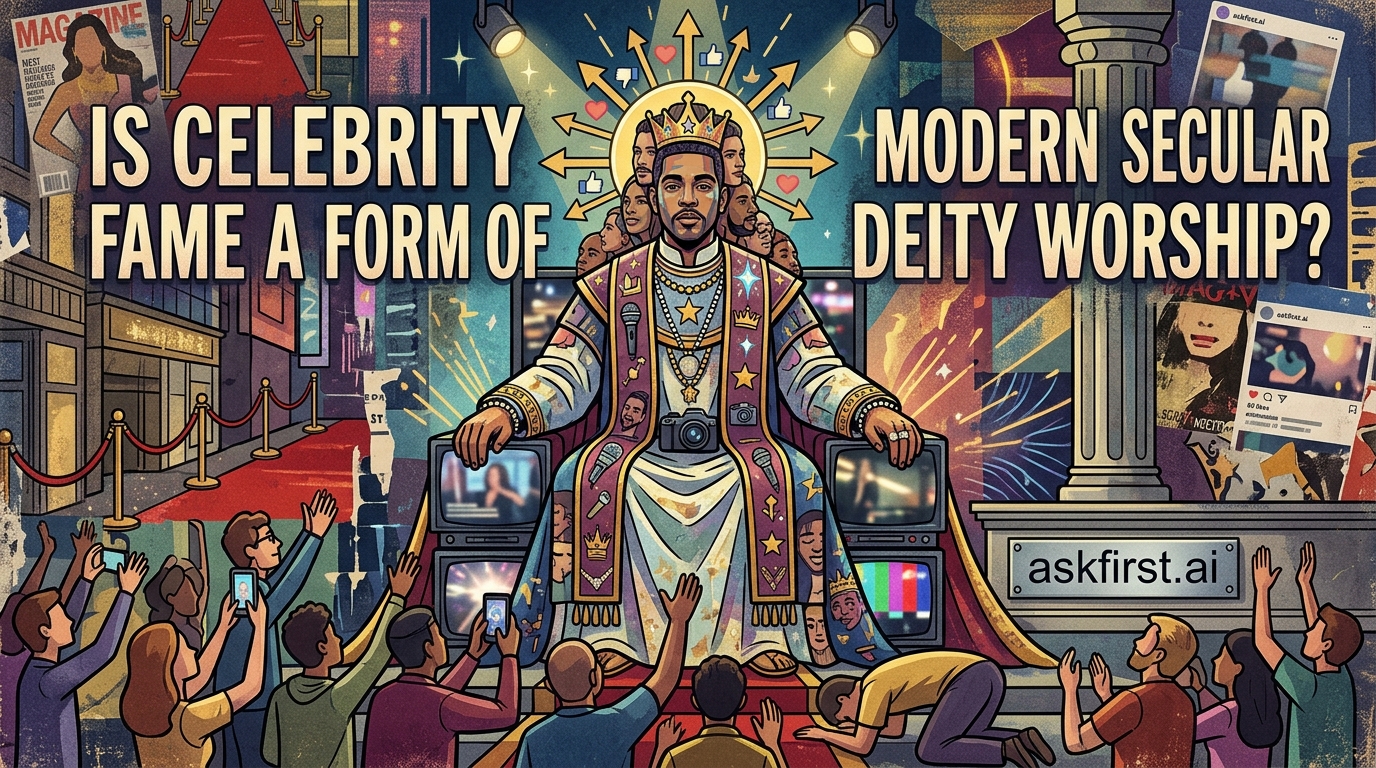
Sociological scholars increasingly observe that celebrity culture operates as a functional equivalent to traditional religious systems in the contemporary secular landscape. This phenomenon suggests that humans possess an innate psychological predisposition toward veneration, which, when removed from divine context, shifts toward public figures who embody societal aspirations, aesthetics, and moral archetypes.
The Psychology of Secular Veneration
At the core of this transformation is the concept of 'parasocial interaction.' As noted by researchers Horton and Wohl, individuals form one-sided emotional bonds with celebrities, investing time and energy into their lives. This relationship mirrors the devotee-deity dynamic, where followers seek guidance, inspiration, and a sense of shared community. Celebrities act as 'totemic figures'—human conduits for collective values like wealth, beauty, and success.
Functional Parallels Between Religion and Fame
Several structural elements of celebrity culture mirror institutionalized worship:
- Myth-Making: The life story of a celebrity is often narrative-driven, featuring an 'origin story' of struggle, a 'transfiguration' through success, and a legacy that transcends their mortal career.
- Rituals of Devotion: Fans engage in daily rituals, including monitoring social media feeds, consuming content on loop, and participating in fan communities. These actions create a sense of belonging similar to congregational worship.
- Moral Frameworks: Public figures often dictate trends in fashion, social ethics, and lifestyle, becoming de facto influencers who prescribe acceptable behavior for their followers.
- The Cult of the Image: Just as religious icons represent divine truths, celebrity images are curated to represent ideals. The 'sacred' nature of these images is protected through media gatekeeping and fan-policing.
The Sociological Shift: Why Now?
As traditional religious institutions have seen declining attendance in Western societies, the vacuum left behind is filled by celebrity culture. This replacement provides the psychological benefits of community and purpose without the demands of ancient dogma. Celebrities provide tangible, reachable ideals, whereas traditional deities represent abstract, distant perfection. In this modern context, the red carpet serves as an altar, and the viral trend becomes the liturgy.
Conclusion: A New Transcendence?
While celebrity worship lacks the promise of afterlife salvation, it offers a form of 'secular immortality' through the creation of enduring legacies. Whether or not this is a healthy societal evolution remains a point of intense debate. What is clear, however, is that the human impulse to elevate others to superhuman status is not disappearing; it is merely shifting its gaze toward those whose brilliance shines brightest on the global stage. By analyzing this through the lens of sociology and evolutionary psychology, we see that fame is far more than entertainment—it is a foundational pillar of human meaning-making in the modern era.