Iranian culture is deeply rooted in ancient traditions, poetry, and a profound respect for family lineage. Celebrations in Iran are characterized by a blend of pre-Islamic Zoroastrian heritage, Islamic religious observances, and contemporary social customs. Whether it is a birthday or a major national holiday, the emphasis remains consistently on hospitality, elaborate culinary spreads, and the gathering of multiple generations under one roof.
The Significance of Birthdays in Iran
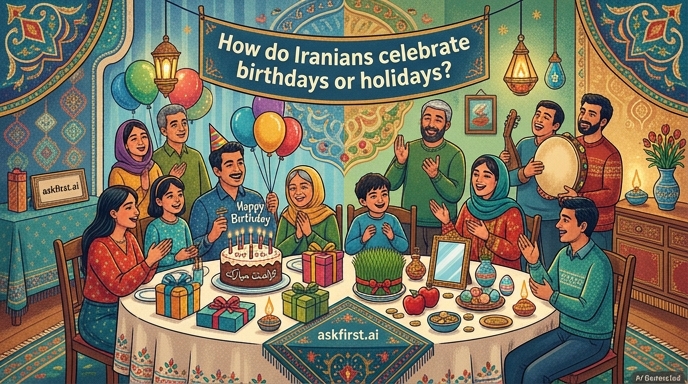
In modern Iran, birthday celebrations have evolved into significant social events, particularly for children and young adults. While traditional Iranian culture focused more heavily on the Persian New Year (Nowruz) rather than individual anniversaries, the influence of global customs has made birthdays a staple of domestic life.
- The Gathering: A typical birthday party in an Iranian household is rarely a small affair. It is common for extended family—grandparents, aunts, uncles, and cousins—to be invited alongside friends. The atmosphere is vibrant, often filled with loud music, dancing, and high-energy conversation.
- Culinary Traditions: Food is the centerpiece of any celebration. For a birthday, the host typically prepares a variety of Salad-e Olivieh (a Persian potato salad), various dips like Kashk-e Bademjan (eggplant dip), and finger foods. The highlight is almost always a large, ornate birthday cake, followed by the serving of tea and shirini (traditional Persian sweets).
- Gift Giving: Iranians are known for their generosity. Bringing a gift is considered mandatory when attending a birthday party. It is also common for the guest of honor to receive monetary gifts or gold coins, which are seen as practical investments in the individual’s future.
- The "Taarof" Factor: Even during celebrations, the Iranian concept of Taarof—a complex system of etiquette involving ritualized politeness—is present. Guests may initially decline food or gifts out of humility, and the host must insist multiple times before the offer is accepted.
Major Holidays: The Pillar of National Identity
While birthdays are personal, national holidays in Iran are communal experiences that define the country’s calendar. The most significant of these is Nowruz, the Persian New Year, which coincides with the Spring Equinox.
Nowruz: The Festival of Spring
Nowruz is the most important holiday in the Iranian calendar. It is a time for renewal, cleaning the house (Khaneh-tekani), and visiting elders.
- The Haft-Sin Table: Every household prepares a Haft-Sin table, which features seven symbolic items starting with the Persian letter 'S'. These include Sabzeh (sprouted wheat or lentils representing rebirth), Samanu (a sweet pudding), Senjed (dried oleaster fruit), Sir (garlic), Sib (apple), Somagh (sumac), and Serkeh (vinegar). Each item symbolizes health, love, prosperity, and the triumph of good over evil.
- Visiting Elders: The first few days of Nowruz are dedicated to visiting family members in order of seniority. Younger family members visit the elders first, who often provide "Eidi"—small gifts or crisp new banknotes—to the children.
- Sizdah Bedar: The festivities conclude on the 13th day of the new year, known as Sizdah Bedar. On this day, families leave their homes to picnic in nature. It is believed that by spending the day outdoors, one avoids the bad luck associated with the number thirteen. The Sabzeh grown for the Haft-Sin table is thrown into running water, symbolizing the washing away of the previous year's misfortunes.
Yalda Night: The Winter Solstice
Another vital cultural celebration is Shab-e Yalda, held on the longest and darkest night of the year (the winter solstice). This holiday celebrates the victory of light over darkness.
- Customs: Families gather to stay awake through the night. The table is adorned with red-colored fruits, specifically pomegranates and watermelons, which symbolize the glow of life and the dawn of the coming sun.
- Poetry: A central part of Yalda is the reading of Divan-e Hafez. Family members make a wish and open the book of the 14th-century poet Hafez; the poem they land on is interpreted as an omen or advice for their future. This blend of ancient solstice tradition and literary appreciation is quintessentially Iranian.
The Intersection of Religion and Culture
Religious holidays, such as Eid al-Fitr (marking the end of Ramadan) or Eid al-Adha, are celebrated with a combination of solemn prayer and festive feasting. During these times, charity (Zakat) is emphasized, and families often host elaborate dinners featuring Chelo Kabab (saffron rice with grilled meat) and Fesenjan (a rich pomegranate and walnut stew).
Conclusion
Whether it is the intimate joy of a birthday party or the grand, ancient rituals of Nowruz, Iranian celebrations are defined by a commitment to social cohesion. The focus is never solely on the individual; it is on the collective strength of the family unit, the preservation of historical customs, and the shared enjoyment of food and poetry. These celebrations serve as a bridge between Iran’s deep historical past and its modern social reality, ensuring that traditions endure across generations.