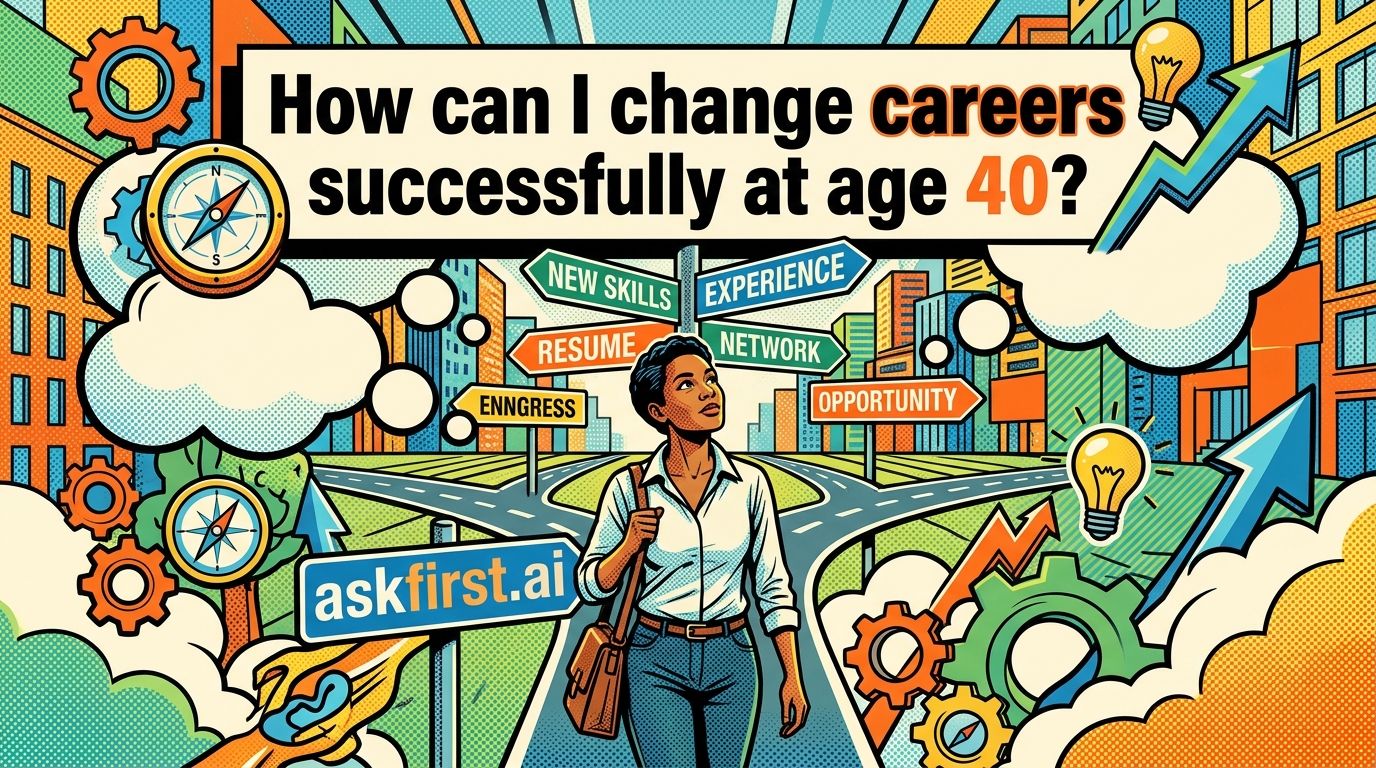
Changing careers at age 40 is a strategic process that leverages decades of professional experience rather than starting from scratch. Success relies on identifying transferable skills, filling knowledge gaps, and utilizing a mature professional network.
1. Conduct a Skills Audit
Before applying for new roles, you must translate your existing expertise into a language that your target industry understands.
- Identify Transferable Skills: Focus on "soft" skills such as leadership, project management, conflict resolution, and strategic planning, which are valuable in virtually every sector.
- Bridge the Gap: Determine which technical skills you lack. Use platforms like Coursera, LinkedIn Learning, or local community colleges to earn certifications that validate your interest and aptitude in the new field.
- The "Why" Narrative: Prepare a compelling story for interviews that explains how your previous career path uniquely positions you to solve problems in the new industry.
2. Strategic Networking
At 40, your most valuable asset is your network. Do not rely solely on online job boards, where your resume may be filtered out by automated systems.
- Informational Interviews: Reach out to professionals in your target role. Ask them about the day-to-day realities of their job and how they navigated their own transitions.
- Leverage Alumni Networks: Utilize university or former employer alumni groups to find "warm" leads.
- Visibility: Update your LinkedIn profile to reflect your new career focus. Use keywords relevant to the industry you are entering, not the one you are leaving.
3. Financial and Psychological Preparation
A career pivot at mid-life requires a pragmatic approach to your personal circumstances.
- Assess Financial Runway: Understand your "burn rate." A career change may initially involve a lateral move or a temporary salary dip. Ensure you have a financial cushion to cover 6–12 months of expenses.
- Adopt a "Student Mindset": You will likely be reporting to someone younger than you. Embrace a humble approach to learning and be prepared to prove your value through output rather than tenure.
- Pilot the Change: If possible, take on freelance projects, volunteer, or consult in the new field before committing to a full-time resignation. This provides a "test drive" of the new profession.
4. Optimize Your Resume
Your resume should be a marketing document, not a chronological history.
- Functional Resume Format: Consider a hybrid or functional format that highlights your skills and accomplishments first, rather than a strictly chronological list of past job titles.
- Quantifiable Results: Focus on what you achieved in your previous roles (e.g., "Increased revenue by 15%") rather than listing daily responsibilities. This proves you are a high-performer regardless of the specific industry.
Key Considerations for Mid-Life Transitions
- Focus on Growth Industries: Target sectors that are expanding, as they are often more willing to hire for potential and transferable skills rather than industry-specific experience.
- Prioritize Cultural Fit: At 40, you have the maturity to know what kind of environment you thrive in. Research company cultures thoroughly to ensure the new career aligns with your values and work-life balance requirements.