Understanding Interpersonal Jealousy: Signs and Analysis
Jealousy is a complex, often involuntary human emotion characterized by feelings of insecurity, envy, or fear of losing status or affection. When a friend experiences jealousy, it frequently manifests as a shift in behavioral patterns. Recognizing these signs requires an objective look at the dynamics of your relationship, focusing on changes in communication, support, and overall sentiment.
1. Behavioral Indicators of Jealousy
Jealousy often creates a "bitter-sweet" dynamic where the friend feels compelled to stay close to you to monitor your success, yet feels resentment while doing so. Key indicators include:
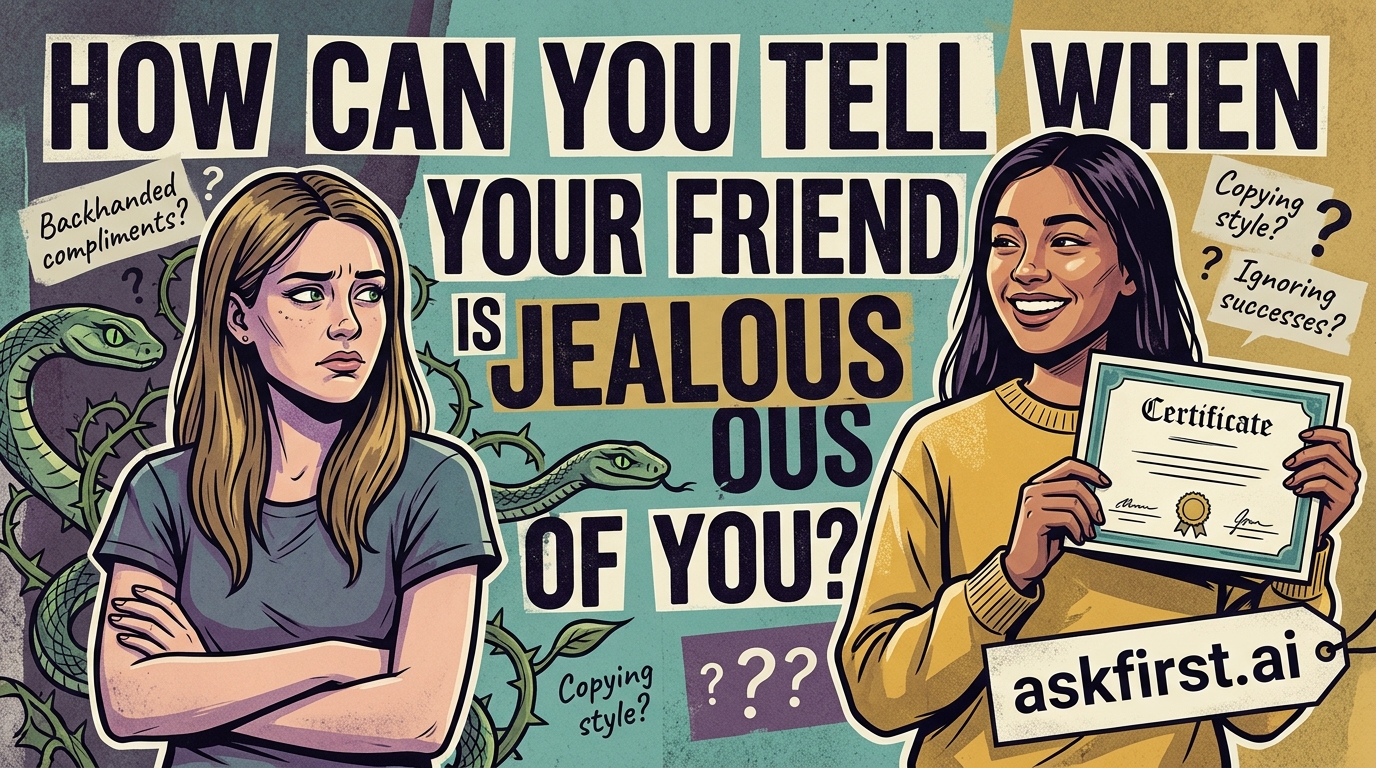
- Backhanded Compliments: A friend who is jealous may offer praise that is layered with subtle insults. For example, "You did great on that promotion, but I’m surprised they picked you considering your lack of experience."
- Downplaying Achievements: They may immediately pivot the conversation to their own accomplishments or diminish the significance of your news, suggesting your success was due to "luck" or "favorable circumstances" rather than hard work.
- The "One-Upping" Phenomenon: If you share a positive life event, a jealous friend will often share a more dramatic or "better" story immediately after to reclaim the spotlight.
- Social Withdrawal or Exclusion: They may stop inviting you to specific events or become noticeably distant when you are surrounded by other successful or influential people.
2. Psychological Context and History
The roots of friendship jealousy often lie in Social Comparison Theory, proposed by Leon Festinger in 1954. This theory suggests that individuals determine their own social and personal worth based on how they stack up against others. When a friend perceives your success as a direct threat to their self-esteem, they may experience "benign envy" (a desire to improve themselves) or "malicious envy" (a desire to see you fail).
3. Practical Steps to Navigate the Situation
If you suspect a friend is struggling with jealousy, follow these steps to preserve your mental well-being and the friendship:
- Observe Consistency: Do not jump to conclusions based on one bad day. Look for a persistent pattern of behavior over several weeks or months.
- Practice Vulnerability: Sometimes, a friend acts out because they feel disconnected. Share your own insecurities or challenges to humanize yourself and reduce the perceived "gap" between your lives.
- Set Healthy Boundaries: If the behavior becomes toxic or consistently undermining, limit the amount of personal information you share with them.
- Initiate an Honest Dialogue: Approach the topic with empathy. Use "I" statements, such as: "I’ve felt a bit of distance between us lately when I share my news, and I value our friendship too much not to bring it up."
4. Pros, Cons, and Future Trends
- Pros of Addressing It: Potential for deeper intimacy, stronger boundaries, and resolution of unspoken tensions.
- Cons of Addressing It: Risk of defensive reactions, potential for the friendship to end if the jealousy is deeply rooted in their personality.
- Future Trends: In the digital age, "Social Media Envy" is rising. Constant exposure to curated, highlight-reel lives on platforms like Instagram and LinkedIn is accelerating feelings of inadequacy among friends, making open communication more vital than ever.
Ultimately, jealousy is a reflection of the other person’s internal state, not your own value. By maintaining your confidence and practicing compassionate communication, you can determine whether the friendship can evolve or if it has reached its natural conclusion.