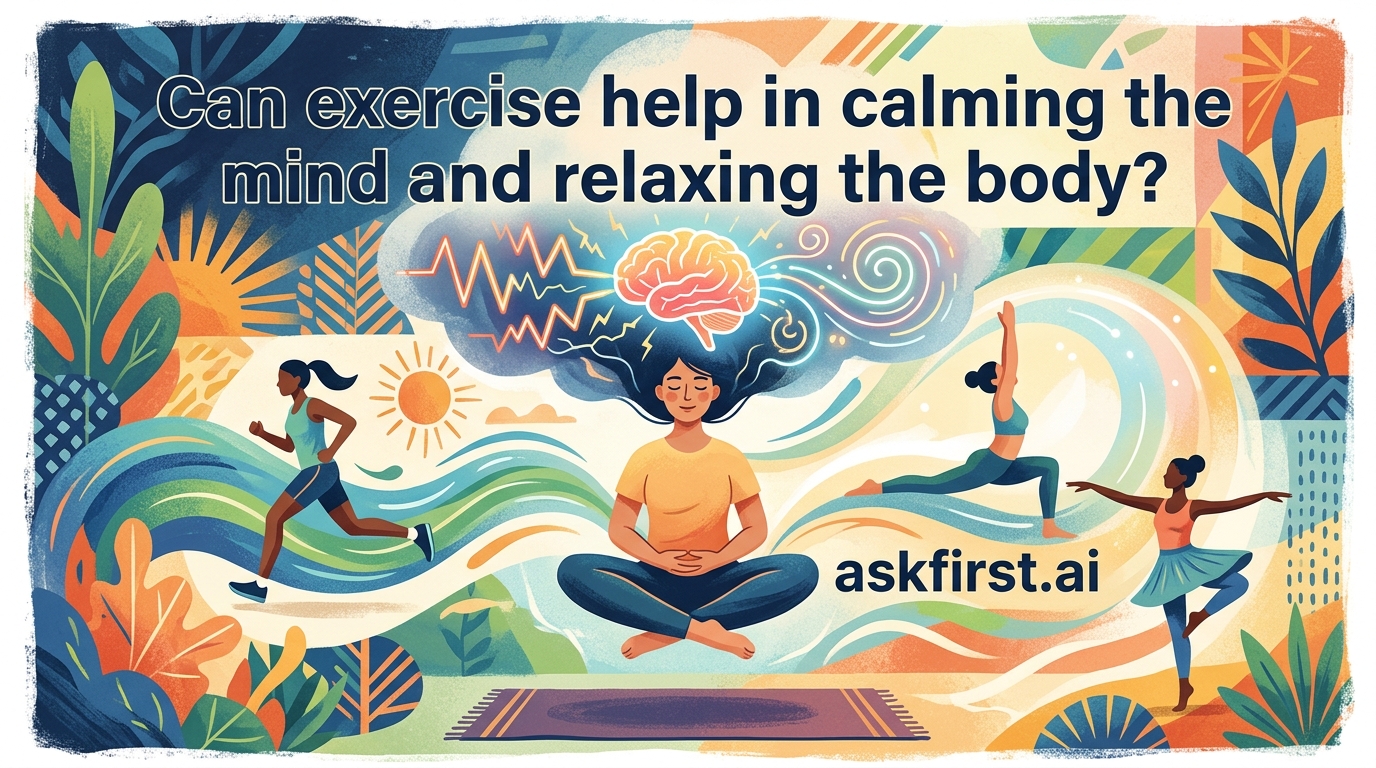
The Psychophysiological Impact of Exercise on Mental and Physical Well-being
Physical exercise is widely recognized not merely as a tool for physiological conditioning, but as a potent intervention for psychological regulation. The interplay between bodily movement and mental state is grounded in complex neurobiological mechanisms that facilitate stress reduction, anxiety management, and systemic relaxation.
The Neurobiology of Movement
When an individual engages in physical activity, the body undergoes a series of biochemical shifts that directly counteract the "fight or flight" response associated with chronic stress.
- Neurotransmitter Modulation: Exercise triggers the release of endorphins—the body's natural analgesics—which promote feelings of euphoria. Simultaneously, it boosts levels of serotonin, dopamine, and norepinephrine, neurotransmitters critical for mood regulation and emotional stability.
- Hormonal Regulation: Physical exertion helps metabolize excess cortisol and adrenaline, the primary stress hormones. By lowering these circulating hormones, exercise effectively "resets" the nervous system, transitioning the body from a sympathetic (stressed) state to a parasympathetic (rest-and-digest) state.
- Brain-Derived Neurotrophic Factor (BDNF): Regular activity increases BDNF production, which supports neuroplasticity and cognitive resilience, helping the brain better manage future stressors.
Practical Guide: Integrating Movement for Relaxation
To achieve a "calmed mind," the type and intensity of exercise are significant factors. High-intensity interval training (HIIT) may boost endorphins, but low-to-moderate intensity steady-state (LISS) exercise is often more effective for immediate relaxation.
- Step 1: Choose Rhythmic Activities. Rhythmic exercises such as walking, swimming, or cycling induce a meditative state by allowing the mind to focus on repetitive movement patterns.
- Step 2: Incorporate Mind-Body Disciplines. Practices like Yoga, Tai Chi, and Pilates combine movement with controlled breathing. This synchronization focuses attention on the present moment, effectively silencing intrusive thoughts.
- Step 3: Prioritize Outdoor Environments. "Green exercise"—physical activity performed in natural settings—has been shown to lower blood pressure and improve mental clarity significantly more than indoor exercise.
- Step 4: Maintain Consistency Over Intensity. A 20-minute daily walk is statistically more beneficial for long-term stress management than an exhaustive, infrequent workout.
Pros and Cons of Exercise as a Relaxation Tool
| Pros | Cons |
|---|---|
| Immediate Stress Relief: Rapid reduction in muscle tension. | Overexertion Risk: Excessive intensity can increase cortisol. |
| Improved Sleep: Regulates circadian rhythms for deeper rest. | Time Constraints: May be difficult to sustain during busy periods. |
| Cognitive Distraction: Provides a "mental break" from daily stressors. | Potential for Obsession: Can lead to unhealthy exercise habits. |
Future Trends and Scientific Outlook
The field of "Exercise Psychology" is currently exploring the impact of wearable technology on mental health. Biometric feedback, such as heart rate variability (HRV) tracking, allows individuals to visualize how specific activities improve their autonomic nervous system balance. Future interventions are likely to focus on "prescriptive movement," where customized exercise plans are used as primary treatments for generalized anxiety disorder (GAD) and clinical depression, potentially reducing reliance on pharmacological interventions.
In conclusion, exercise serves as a fundamental pillar of mental hygiene. By fostering a mind-body connection, it provides the tools necessary to mitigate the physiological toll of modern life, ensuring both the body and mind remain resilient in the face of adversity.