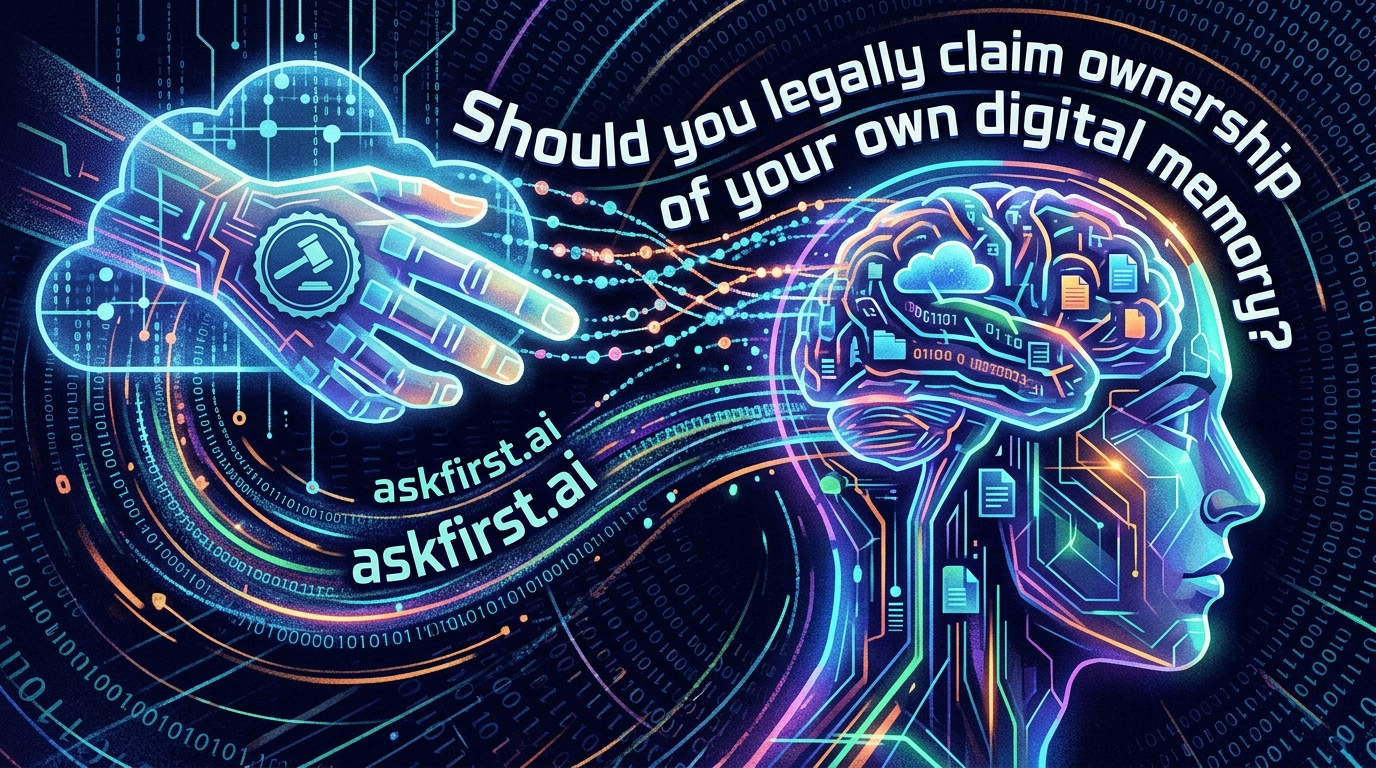
The Digital Inheritance: Reclaiming Your Virtual Legacy
In an era where personal identity is increasingly mirrored in cloud storage, social media archives, and encrypted drives, the question of digital sovereignty has never been more urgent. While users generate vast quantities of data, the legal reality often places ownership of these digital memories in the hands of corporations through Terms of Service (ToS) agreements. Asserting legal ownership of your digital memory is not merely a technical preference; it is a foundational pillar of modern autonomy.
The Illusion of Ownership
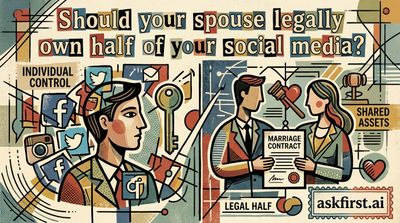
Most individuals assume that a photo uploaded to a cloud service or a post shared on a network remains their property. However, standard user agreements frequently grant platforms a non-exclusive, perpetual, royalty-free license to host, modify, and distribute this content. This creates a functional gap: you possess the data, but you have ceded the control. When legal ownership remains ambiguous, users risk losing access to their history due to platform de-platforming, corporate insolvency, or sudden changes in policy.
Why Asserting Sovereignty Matters
Legally claiming ownership acts as a safeguard for personal history. When users treat digital memories as intellectual property or tangible assets, they invoke protections that extend beyond standard consumer contracts.
- Legacy Planning: Explicit ownership allows for clear inheritance instructions, ensuring family members can access precious memories without navigating bureaucratic nightmares.
- Data Portability: If you maintain the legal high ground regarding your data, the ability to migrate archives between platforms becomes a right rather than a privilege.
- Security against Exploitation: Ownership provides the legal basis to contest unauthorized AI training or data monetization that utilizes your personal creative output or life events without consent.
Establishing Your Digital Rights
To move from passive user to proactive owner, consider the following strategies:
- Data Decentralization: Shift from centralized cloud dependencies to self-hosted servers or encrypted decentralized storage solutions. Owning the hardware that hosts your memory is the most direct path to legal dominance over it.
- Private Licensing Agreements: For creative projects, explicitly apply copyright notices and licenses that prevent service providers from exercising ownership rights over your uploaded material.
- Estate Documentation: Incorporate "digital assets" into your will. Specify exactly how your digital archive should be handled, archived, or deleted. By codifying these assets in legal documents, you transfer your personal agency into a structure that outlives your active interaction with any single company.
Conclusion
The digital landscape is not just a workspace; it is the repository of human experience. Failing to claim ownership effectively invites third-party entities to define your history. By treating digital memory as a protected asset rather than a convenience, you ensure that your personal narrative remains yours to command, secure from the volatility of modern technology firms.