The Illusion of Digital Ownership
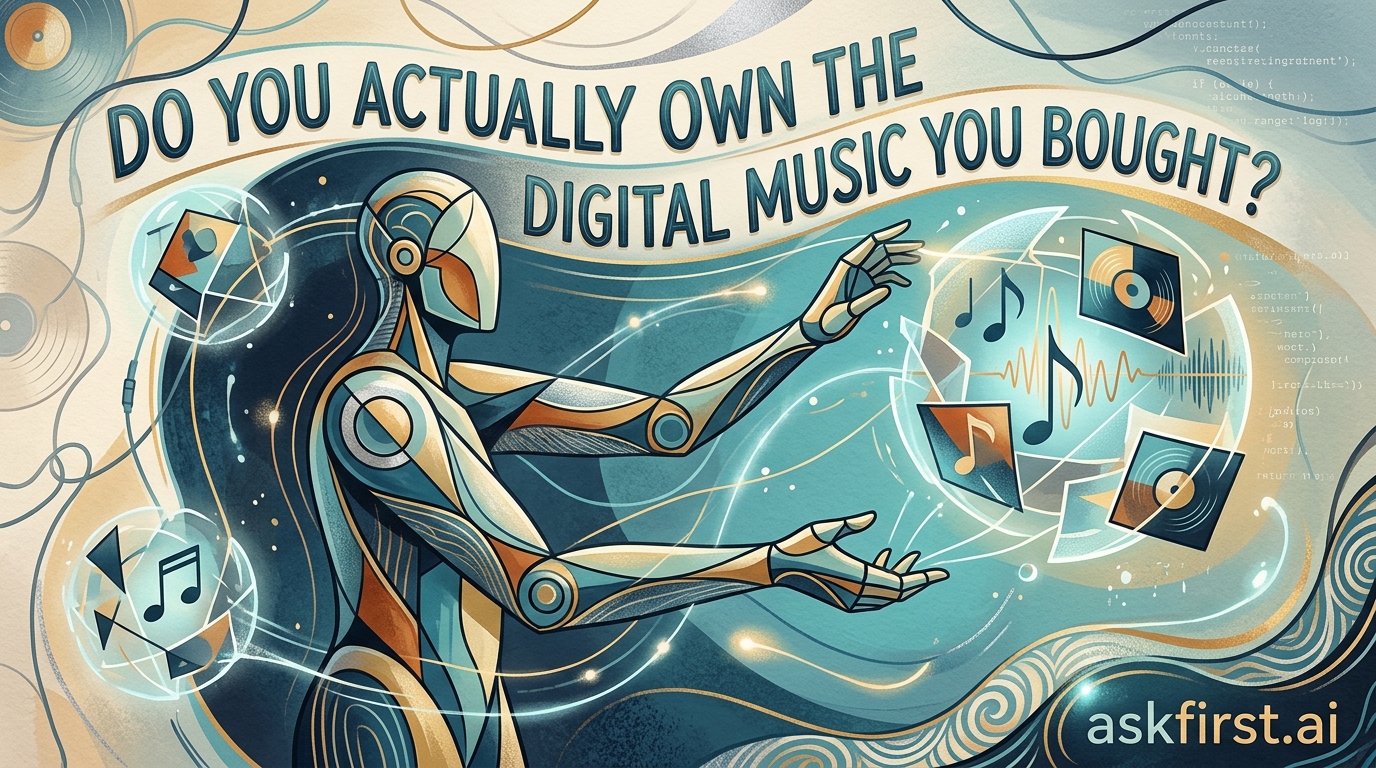
Many consumers operate under the assumption that clicking a 'Buy' button on a digital storefront equates to owning a piece of property, much like purchasing a vinyl record or a compact disc. However, in the realm of modern digital media, the terminology used by platforms is carefully chosen to convey a specific legal reality: the consumer is not buying the music itself; they are acquiring a revocable, non-exclusive license to access it. This distinction is the bedrock of the digital distribution business model and serves as a significant departure from traditional property rights.
The Legal Framework: Licenses vs. Property
When a customer engages in a digital transaction for media, they enter into a Terms of Service (ToS) agreement. This legal contract stipulates that the user is granted a license to listen to the files under conditions dictated by the platform provider. Unlike physical property, which confers the right to sell, gift, or bequeath an item, these licenses are often tied to specific accounts and are strictly non-transferable. The End User License Agreement (EULA) typically includes clauses that allow the provider to terminate or restrict access should the service undergo corporate restructuring, server failure, or changes in licensing deals between the platform and the record labels.
The 'Vanishing Library' Phenomenon
History provides several documented instances where users have lost access to their purchased collections. When a digital storefront closes or loses the distribution rights for a specific catalog, the content may simply disappear from the user's interface. Because the user does not possess the master rights or the physical medium, they have little legal recourse. This has occurred in the e-book and digital movie industries as well, proving that the threat to 'ownership' is an systemic feature of cloud-based distribution rather than a rare anomaly.
Key Myths Debunked
- Myth: I bought the song, so I can copy it to any device. In reality, digital rights management (DRM) software is often embedded in the files, restricting usage to specific applications or authorized devices.
- Myth: The digital copy is mine forever. The license lasts as long as the provider maintains their service and the necessary permissions from the copyright holders. If a platform goes out of business, the 'access' may cease entirely.
- Myth: I can sell my digital account. Most platforms explicitly prohibit the transfer of accounts. Doing so often violates the ToS and risks a permanent ban for both the seller and the buyer.
Why This Matters for the Future
As society pivots toward a 'subscription-based economy' (often referred to as 'Software as a Service' or 'Media as a Service'), the concept of ownership is becoming increasingly abstract. This shift has profound implications for cultural preservation. If digital libraries are subject to the whims of corporate licensing agreements, the longevity of musical archives depends entirely on the financial health of the providers. Historians and archivists have expressed concern that we are entering a 'Digital Dark Age' where older recordings could be erased due to shifting corporate strategies.
Practical Steps for Consumers
To mitigate these risks, collectors and music enthusiasts often turn to the following strategies:
- Prioritize DRM-Free Files: Many independent artists and specialized platforms sell music in formats like FLAC or MP3 without DRM, which allows for true ownership and local backups.
- Physical Media: Buying CDs or high-fidelity vinyl provides a tangible asset that cannot be remotely revoked or deleted by a third party.
- Local Backups: For digital files that are DRM-free, keeping multiple copies on physical hard drives or cloud storage ensures that a company’s business decisions cannot affect personal access to one's library.
Conclusion
The digital revolution has made music more accessible than ever, but it has simultaneously shifted the balance of power away from the consumer and toward the distributor. Understanding the difference between a license and a physical good is vital for anyone who wishes to build a collection intended to last a lifetime. By favoring DRM-free ecosystems and maintaining local backups, consumers can reclaim a degree of independence in an era where digital 'ownership' is essentially a temporary service.