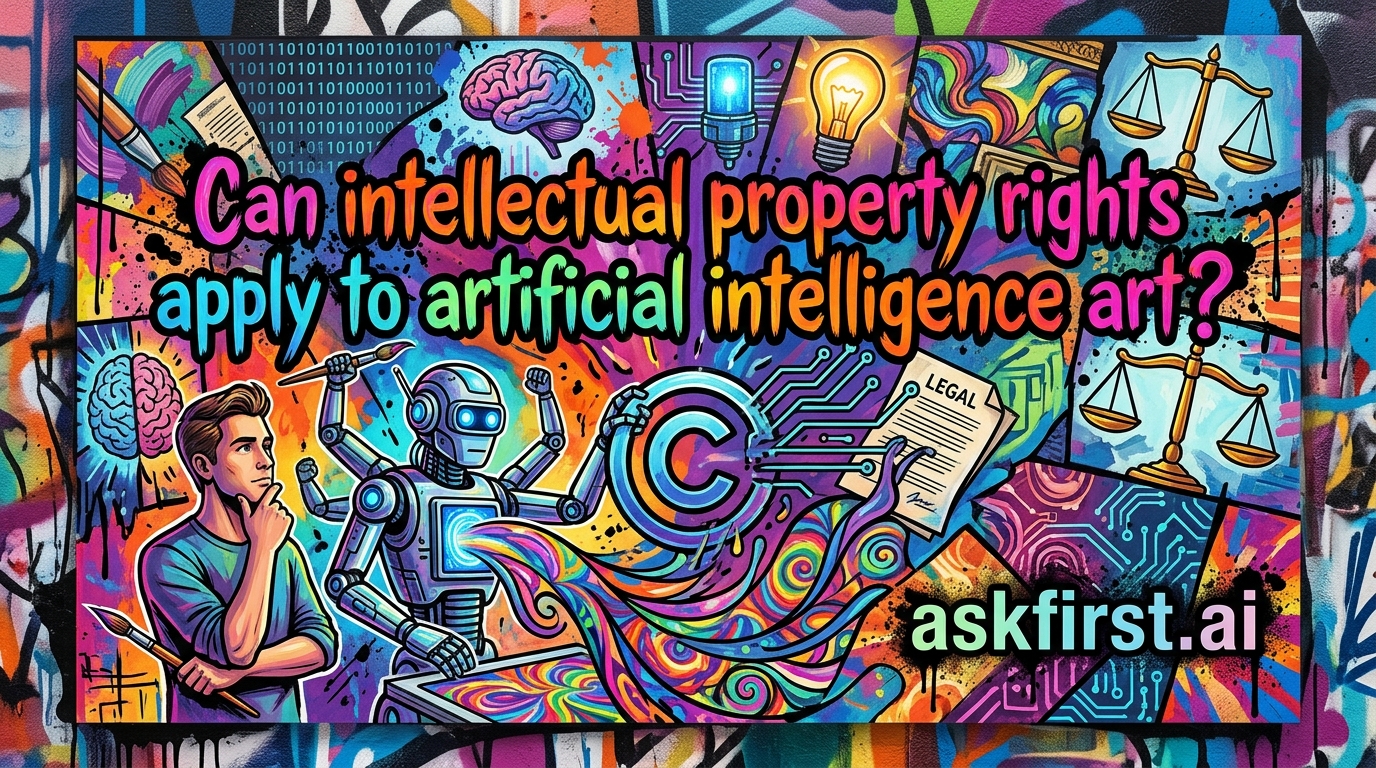
The Legal Status of AI-Generated Content
The intersection of artificial intelligence and copyright law represents one of the most contentious debates in modern jurisprudence. As generative models become increasingly sophisticated at producing images, music, and literary works, the fundamental question arises: can intellectual property rights protect assets created by a non-human entity? Current international copyright frameworks, including those guided by the Berne Convention, are predicated on the concept of 'original authorship,' which historically necessitates human intellectual creation.
The Human Authorship Requirement
Most legal systems, including those in the United States and the European Union, currently maintain a strict requirement for human authorship. The U.S. Copyright Office has consistently refused to register copyrights for works produced by autonomous systems without significant human creative input. For instance, in several high-profile cases, the Copyright Review Board determined that when an AI system operates with a high degree of autonomy, the output fails the 'human authorship' test. If a human simply enters a brief prompt and the software executes the technical realization of the artwork, the legal consensus is that the machine is the producer, not the human user.
Degrees of Human Intervention
It is essential to distinguish between AI-assisted and AI-generated works.
- AI-Assisted Works: When a human artist uses AI as a tool, similar to how a photographer uses a camera or a designer uses Photoshop, copyright is more likely to apply. The key factor is whether the human exercised creative control over the final expression.
- AI-Generated Works: When the machine makes the final decisions regarding composition, style, and subject matter with minimal guidance, the output is generally considered to be in the public domain, as it lacks a human author.
Evolving Jurisprudential Approaches
While the current standard favors human intervention, legal theories are evolving. Some scholars suggest a 'work-for-hire' analogy where the person who commands the software should hold the copyright. Conversely, others argue that AI-generated works should be treated similarly to inventions created by machines, which are currently unpatentable in many jurisdictions. Legislative bodies are cautiously observing these trends, recognizing that overly restrictive copyright laws might stifle the creative economy, while overly permissive laws could lead to an oversaturation of machine-generated content that lacks true human cultural value.
In conclusion, while the core of AI-generated work often falls outside current copyright protections, the nuance of how much human effort is involved remains the deciding factor for legal eligibility. Artists and corporations are advised to document their creative process extensively to prove significant human control over AI-generated outputs.