The Digital Footprint Paradox: Understanding Liability
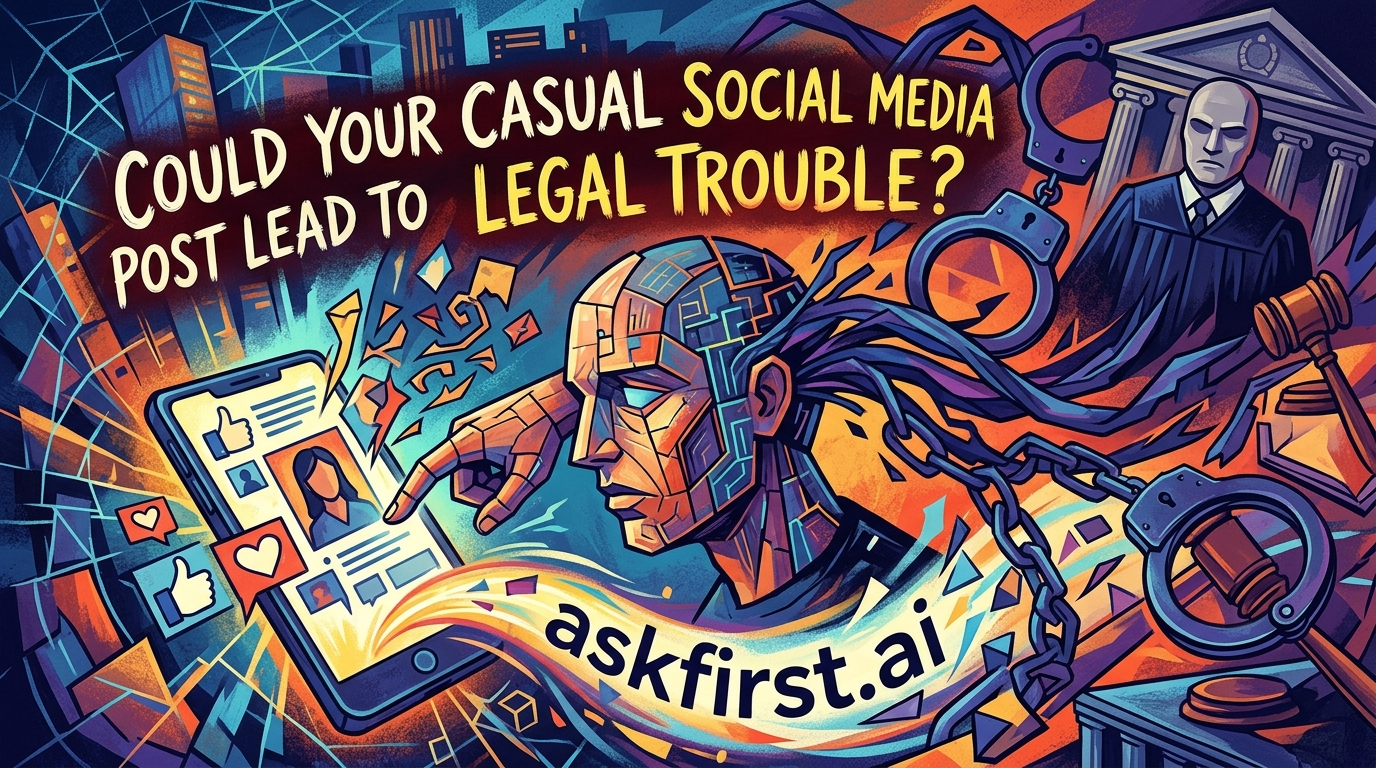
In the hyper-connected era of digital interaction, the common perception that social media exists in a 'lawless' space is a dangerous misconception. Every post, share, or comment effectively acts as a permanent record of intent, opinion, and observation. The reality is that personal expressions on public platforms are subject to the same legal scrutiny as traditional print media, broadcast journalism, or verbal statements made in professional settings. Understanding the boundaries between personal expression and actionable liability is crucial for navigating modern digital life.
Core Legal Risk Domains
1. Defamation, Libel, and Slander
The most frequent legal pitfall encountered by everyday users is defamation. While people often believe that 'expressing an opinion' provides a total shield, the law distinguishes clearly between subjective opinion and false statements of fact that cause harm. Libel is the written form of defamation. If a social media post makes an objectively false claim that damages the reputation of an individual or a business entity, that entity can pursue a defamation lawsuit. To be successful, a plaintiff typically must prove that the statement was published, false, identified the victim, and caused actual financial or reputational injury. The defense of 'it was just a joke' or 'I am not a journalist' rarely holds up in court when tangible damage is demonstrated.
2. Intellectual Property and Copyright Infringement
Many users mistakenly believe that content found on the internet is 'public domain.' Reposting photos, artworks, or videos without explicit permission from the creator constitutes a violation of copyright law. Even sharing a 'meme' that uses copyrighted material can technically be considered an infringement, though modern discourse often focuses on 'fair use' doctrines. However, fair use is a legal defense, not a right; relying on it without deep knowledge of specific jurisdictional applications can lead to 'cease and desist' letters, account suspensions, or financial penalties.
3. Professional Contracts and NDA Breaches
Employment law is increasingly intertwined with social media behavior. Many individuals sign Non-Disclosure Agreements (NDAs) or confidentiality clauses as part of their employment contracts. A casual post about 'a day at the office' or a photo of a computer screen in the background might inadvertently disclose proprietary company information. Such breaches can lead to immediate termination, litigation for damages, and reputational blacklisting within professional industries.
The 'Right to Publicity' and Privacy Laws
Posting photos or videos of other people without their consent can lead to 'invasion of privacy' lawsuits in many jurisdictions. While expectations of privacy in public spaces are generally lower, the commercial usage of a person’s likeness or the non-consensual disclosure of private, sensitive information (sometimes termed 'public disclosure of private facts') is a significant liability. Being mindful of background figures and local regional laws, such as the GDPR in Europe or specific state-level privacy statutes in the United States, is essential for digital safety.
Best Practices for Digital Hygiene
To mitigate these risks while still enjoying the benefits of global connectivity, consider adopting the following proactive strategies:
- Verify Before Sharing: Treat every post as if it were a front-page newspaper article. If the information is sensitive or concerns someone else's reputation, verify the facts before broadcasting them.
- Understand Platform Terms of Service: Most platforms have specific clauses regarding the ownership and usage of uploaded content. Knowing these rules helps in understanding the legal environment in which you are operating.
- Respect Copyright: Always attribute work to the original creator and seek permission whenever possible, especially if the account has a commercial component or significant following.
- Avoid Public Disputes: Engaging in 'flame wars' or venting about employers, coworkers, or clients is a primary catalyst for legal action. When in doubt, keep professional grievances in professional channels.
- Assume Permanence: Even if you delete a post, screen captures and archiving services mean the content effectively persists. Never post in the heat of the moment; wait until emotions have subsided to ensure the content reflects your values and protects your interests.
Conclusion: A New Standard of Digital Citizenship
Legal trouble arising from social media is not a modern fantasy; it is a documented reality. As society continues to blend physical and digital identities, the legal system adapts to treat online behaviors with the same seriousness as offline actions. By exercising caution, critical thinking, and respect for the rights of others, individuals can enjoy the creative and social opportunities of digital platforms while insulating themselves from unnecessary and potentially life-altering legal entanglements.