The Legal Reality of Workplace Intellectual Property
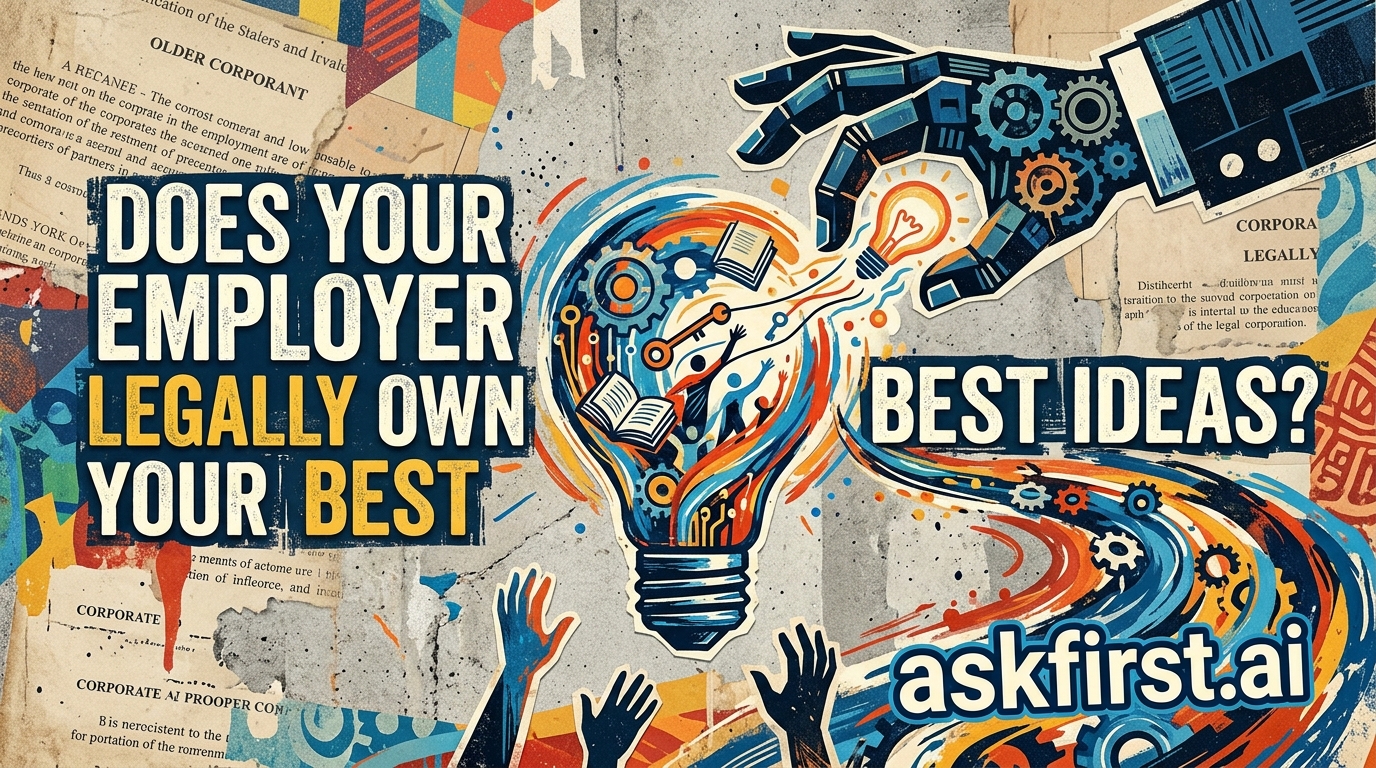
Many professionals harbor the assumption that their creative spark belongs solely to them, regardless of where or when it occurs. However, the legal reality of intellectual property (IP) in the workplace is often far more restrictive than most employees realize. Understanding the ownership of ideas requires a deep dive into the intersection of contract law, employment statutes, and the specific nature of the work being performed.
The "Work Made for Hire" Doctrine
At the heart of workplace IP disputes lies the "Work Made for Hire" doctrine. Under copyright law, if an employee creates a work within the "scope of employment," the employer is considered the legal author and owner from the moment of creation. This is not merely a transfer of rights; it is a foundational legal status. The critical question here is determining what falls within the "scope of employment."
- Direct Assignments: Tasks specifically requested by a manager are clearly within the scope.
- General Duties: Tasks that are integral to the employee’s job description are also included.
- Time and Resource Use: Creating an idea using company equipment, on company time, or using proprietary information almost guarantees employer ownership.
Understanding Invention Assignment Agreements
Most modern employment contracts include an Invention Assignment Agreement. These clauses are designed to capture anything an employee creates, often stretching far beyond the original job description. If an employee signs such a document, they are effectively pre-signing away the rights to their innovations. These agreements are generally enforceable in court unless they are "unconscionable" or violate specific state laws.
For example, if an engineer works for a software firm but develops a revolutionary medical device on their weekends without using company resources, the employer might still claim ownership if the contract contains a broad "all ideas conceived during the term of employment" clause. While some jurisdictions—notably California, Washington, and Illinois—have enacted statutes protecting employees whose inventions are created on their own time and unrelated to the employer’s business, these protections are limited and highly technical.
The Myth of the "On My Own Time" Defense
One of the most persistent myths is the belief that doing work "at home on a personal laptop" shields an idea from employer ownership. This is often false. Even if work is done outside of office hours, the following factors can lead to an employer winning a legal battle:
- Relationship to Business: If the idea is competitive with or related to the employer's industry, the company may argue it constitutes a breach of the duty of loyalty.
- Use of Trade Secrets: If the idea utilizes non-public knowledge, confidential data, or proprietary frameworks gained during employment, the employer has a strong claim of misappropriation.
- Contractual Reach: Broad language in an employment contract can create a "continuing interest" in the employee's inventive output, regardless of the physical location of the creation.
Protecting Personal Innovation
For those who wish to safeguard their personal projects, following a strict separation strategy is essential:
- Review the Employment Contract: Carefully examine the IP section. Does it distinguish between work-related tasks and independent personal innovation? If the language is broad, it may require negotiation before signing.
- Total Separation: Never use company hardware, software licenses, internet connectivity, or storage drives. Maintain a physical and digital wall between professional and personal work.
- Scope Disclosure: In some cases, employees may provide an "excluded inventions" list to their employer upon hiring, specifying projects developed prior to employment. This serves as a vital record for potential future litigation.
- Industry Relevance: Be aware that the closer a personal invention is to the employer’s core business, the higher the likelihood of a legal conflict. Developing a gaming app while working for a cybersecurity firm is significantly safer than developing a competitive security patch.
Conclusion: The Burden of Clarity
The legal landscape surrounding workplace ideas is designed to favor established commercial entities, as they invest in the infrastructure and professional development that make innovation possible. Because the law often assumes employer ownership by default, the burden rests on the individual to protect their independent creations. Legal precedent consistently demonstrates that "good intentions" are rarely enough to override signed contracts or the reality of the employment relationship. Consequently, professionals must approach the development of personal innovations with the same rigorous attention to detail that they apply to their professional roles, ensuring that they are fully aware of their legal boundaries before they commit their time to a new venture.