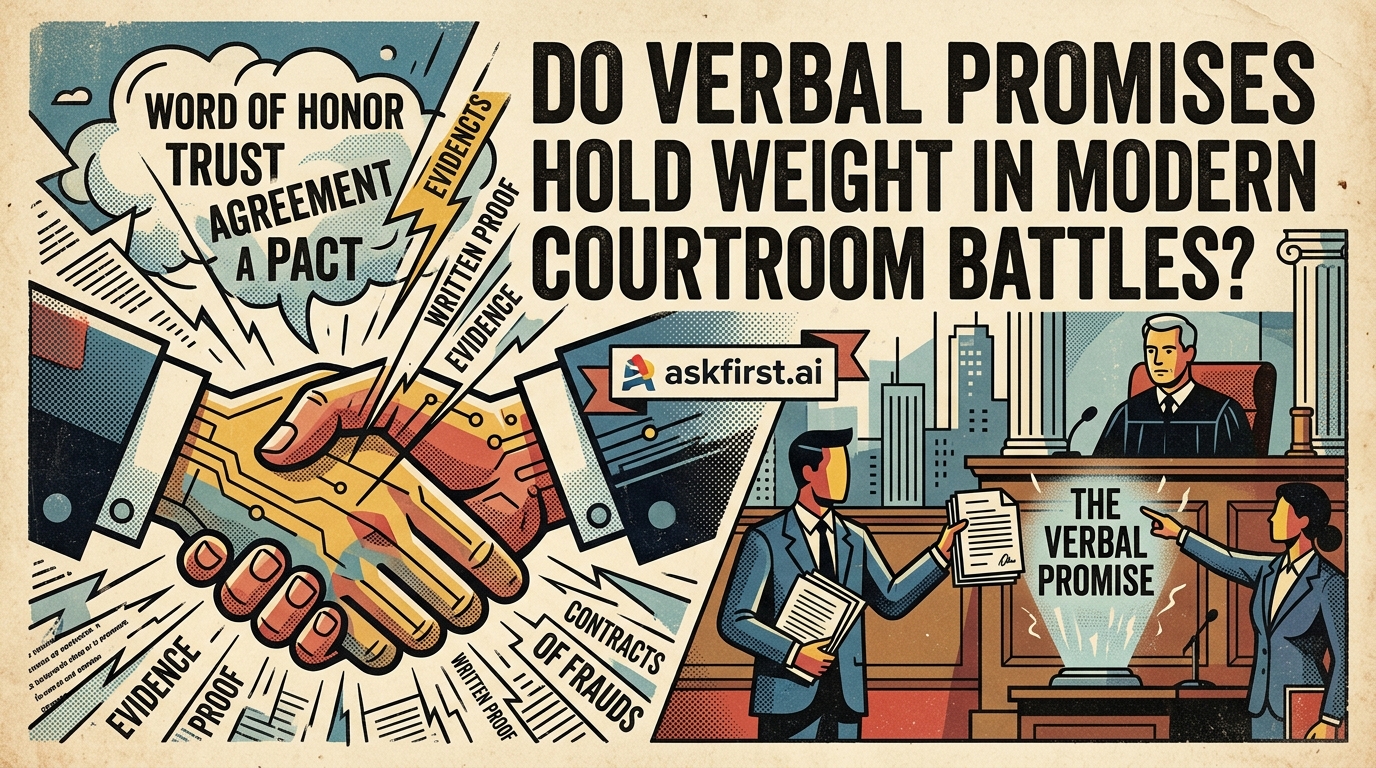
The Legal Reality of Verbal Contracts
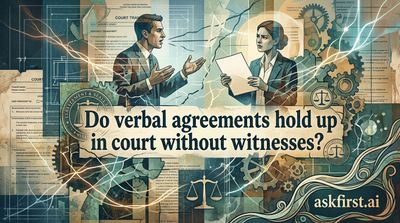
In the landscape of modern jurisprudence, a pervasive myth exists that if an agreement is not etched in ink, it simply does not exist. However, the reality of contract law is far more nuanced. Verbal promises, often referred to as oral contracts, are legally binding in most jurisdictions, provided they meet specific fundamental requirements. While a written document is undeniably the gold standard for evidentiary proof, an oral agreement serves as a valid expression of intent between parties, capable of being enforced through judicial intervention.
The Fundamental Pillars of a Valid Agreement
For any promise—whether whispered in confidence or declared in a handshake—to evolve into an enforceable contract, it must satisfy four cornerstone elements:
- Offer: A clear, unambiguous proposal made by one party to another.
- Acceptance: An unqualified agreement to the terms of that offer.
- Consideration: Something of value exchanged, such as money, services, or a promise to refrain from an action.
- Mutual Assent (Meeting of the Minds): Both parties must understand and agree to the essential terms of the deal.
Without these four pillars, the promise remains a social pleasantry rather than a legal obligation. If a court finds these elements exist, the verbal contract gains the same status as a written one, assuming the subject matter does not fall under the Statute of Frauds.
The Hurdle: The Statute of Frauds
While oral contracts are broadly enforceable, there is a significant exception known as the Statute of Frauds. This legal doctrine mandates that specific types of contracts must be in writing to be legally enforceable. These typically include:
- Real Estate Transactions: Agreements involving the sale or transfer of land or interests therein.
- Long-term Contracts: Agreements that, by their own terms, cannot be performed within one year.
- Suretyship: Promises to pay the debt of another person.
- Marriage-based Contracts: Prenuptial agreements or contracts made in consideration of marriage.
- Sale of Goods Over a Threshold: Under the Uniform Commercial Code (UCC) in the United States, the sale of goods over a specific dollar amount (usually $500) generally requires a writing.
The Evidentiary Dilemma
Even if a verbal contract is legally valid, the primary obstacle is the burden of proof. In a courtroom, it effectively becomes a "he-said, she-said" scenario. Without a paper trail, the plaintiff must persuade the judge or jury that the agreement occurred, the terms were understood, and the breach caused damage. To navigate this, lawyers often look for secondary evidence to corroborate the oral promise:
- Part Performance: Has one party already begun fulfilling their side of the bargain? This acts as strong circumstantial evidence.
- Communication Records: Email exchanges, text messages, or voicemails that reference the previous verbal conversation can serve as critical proof of a pre-existing agreement.
- Financial Records: Bank transfers, checks, or receipts that align with the timeline of the alleged verbal promise can validate the claims.
- Witness Testimony: Third parties who were present during the conversation or who were informed of the agreement shortly thereafter can provide essential corroboration.
Why Documentation Remains Paramount
Despite the enforceability of verbal promises, reliance on them is strategically dangerous. Litigation based on oral contracts is notoriously expensive, time-consuming, and unpredictable. The lack of clarity regarding "implied" terms can lead to a judge interpreting the agreement in ways neither party intended. Furthermore, legal fees often outweigh the value of the underlying dispute, making the pursuit of justice for broken verbal promises a pyrrhic victory in many instances.
Conclusion: The Wisdom of Clarity
Ultimately, while verbal promises do hold significant weight in court, their effectiveness is limited by the ambiguity of human memory and the difficulty of proving intent. To safeguard assets, professional reputations, and personal peace of mind, the conversion of verbal intentions into written contracts is not just a best practice—it is the bedrock of secure business dealings. Relying on a handshake is an act of trust, but relying on a signed contract is an act of wisdom. When an agreement matters, document it, sign it, and keep it safe.