The Secret Language of Cinema: Decoding Hidden Cinematic Symbols
Filmmaking is often described as the art of painting with light, but beneath the surface of visually stunning frames lies a deliberate architecture of meaning. Directors frequently embed hidden symbols, motifs, and recurring imagery to communicate subconscious narratives, expand thematic depth, or provide "Easter eggs" for the attentive viewer. This practice elevates cinema from mere entertainment to a multilayered puzzle that rewards intellectual engagement.
The Psychology of Visual Metaphors
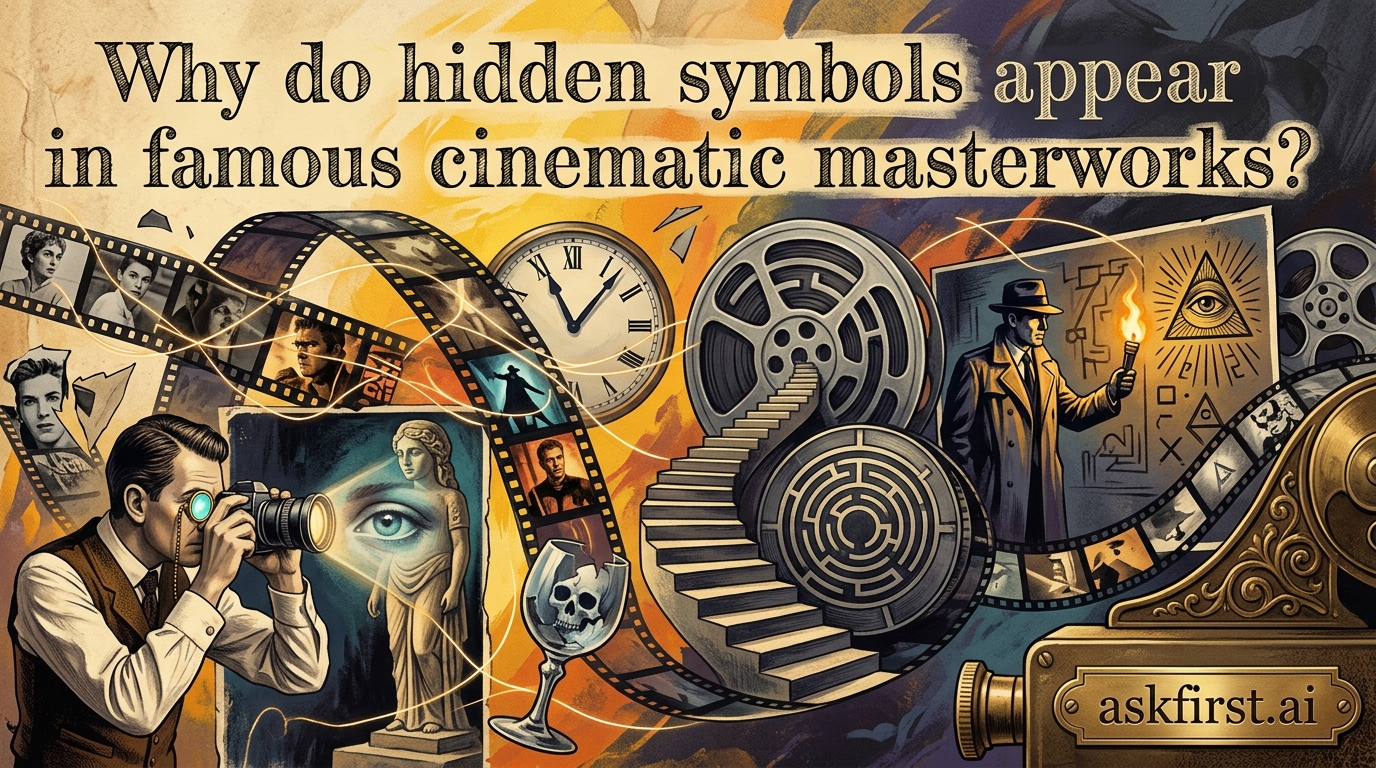
Symbols function as a visual shorthand for complex concepts that dialogue alone might fail to express effectively. By utilizing archetypes—such as mirrors representing self-reflection, doors indicating transition, or specific color palettes denoting emotional states—directors tap into the collective unconscious.
- Color Theory: In The Sixth Sense, M. Night Shyamalan consistently uses the color red to signal the presence of the supernatural, training the audience to instinctively link that specific hue to impending spectral encounters.
- Recurring Motifs: Stanley Kubrick was notorious for his meticulous use of geometry and patterns. In The Shining, the repeating hexagonal carpet patterns in the Overlook Hotel serve to disorient the viewer, suggesting a labyrinthine entrapment that mirrors the protagonist's descent into madness.
Narrative Cohesion and Foreshadowing
Beyond aesthetics, hidden symbols serve as structural anchors. They allow filmmakers to provide subtle clues about the plot's resolution, creating a sense of inevitability that satisfies the audience upon a second viewing. When a filmmaker embeds a symbol, it acts as a "narrative promise" that eventually resolves itself.
Consider the "apple" motif in various crime thrillers; it often symbolizes knowledge, temptation, or a loss of innocence. When a character is seen with an apple, it is rarely incidental. It is a calculated piece of world-building meant to suggest that the character is about to undergo a significant moral transformation. By embedding these tokens throughout a film, directors ensure that the story feels unified and dense, rather than a collection of disparate scenes.
The Role of Viewer Participation
In the digital age, the discovery of these symbols has become a communal activity. Online communities thrive on the analysis of frame-by-frame details, turning cinema appreciation into an interactive hunt. This "gamification" of film watching encourages deeper rewatchability. Directors like Wes Anderson or David Fincher intentionally plant these clues not just for artistic integrity, but to foster a connection with an audience that values detail-oriented storytelling. These symbols act as a private language between the creator and the viewer, validating the effort spent in studying the craft. Ultimately, hidden symbols are the "secret handshake" of the cinematic world, ensuring that great stories remain alive in the mind long after the credits roll.