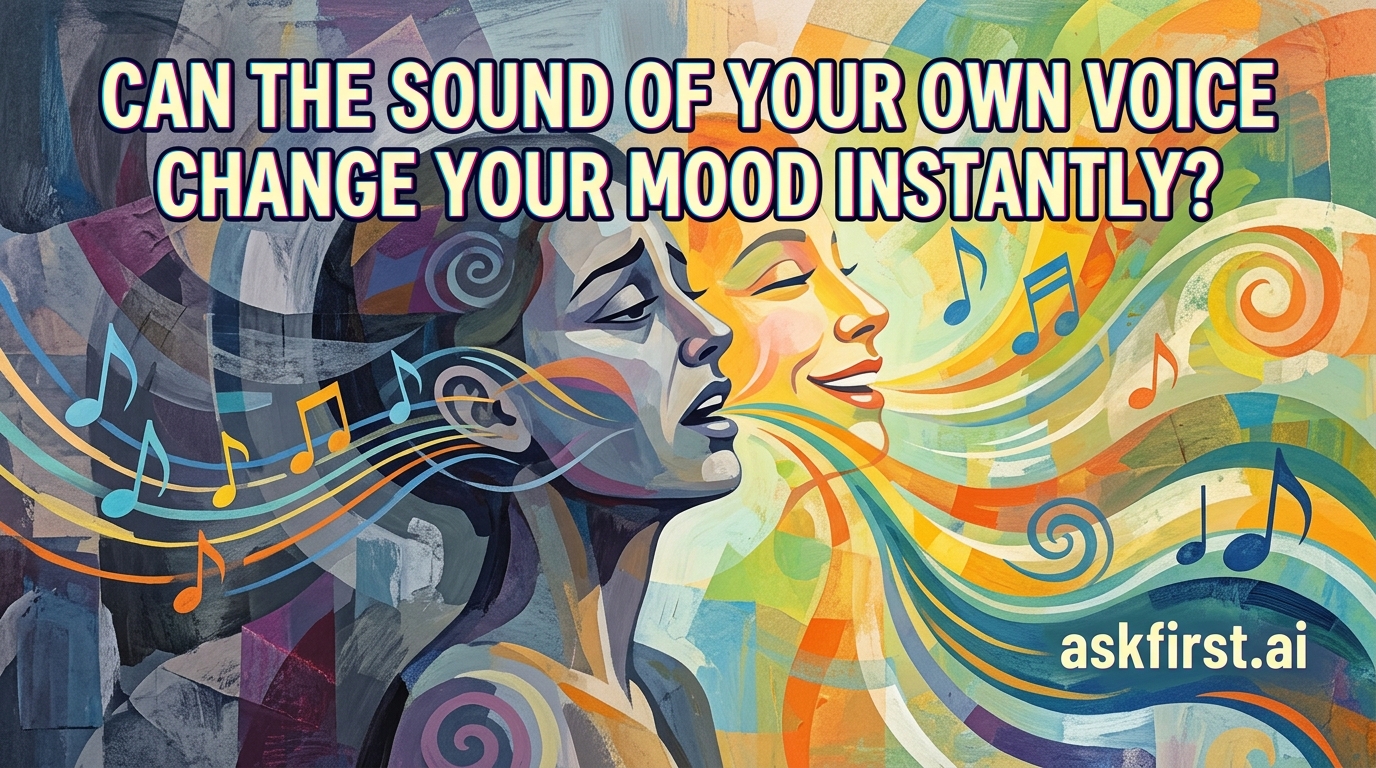
The Auditory-Emotional Connection: Unlocking the Voice-Mood Link
The human voice is far more than a tool for communication; it is a bio-acoustic instrument that directly influences the internal state of the speaker. Research in the field of psychoacoustics reveals that the physiological process of speaking acts as an immediate feedback loop to the autonomic nervous system. When the vocal cords vibrate and the sound waves resonate through the skull and chest, the brain processes these internal vibrations as both auditory input and somatosensory information, which can instantaneously trigger emotional shifts.
The Vagus Nerve and Vocal Resonance
At the core of this phenomenon lies the vagus nerve, the longest nerve in the body, which plays a pivotal role in the parasympathetic nervous system. Scientific studies, including research published by Dr. Stephen Porges regarding the Polyvagal Theory, suggest that stimulating the vagus nerve through specific vocal patterns can regulate physiological arousal.
- Low-frequency humming: Creating deep, sustained vibrations in the chest cavity stimulates the vagus nerve, which helps shift the body from a state of 'fight or flight' to 'rest and digest.'
- Pitch modulation: Raising one's pitch often correlates with elevated arousal or excitement, while lowering it can physically signal the brain to de-escalate stress responses.
The Feedback Loop: How We Hear Ourselves
Human hearing involves two pathways: air conduction (sounds traveling through the air) and bone conduction (sounds vibrating through the skeleton to the inner ear). When a person speaks, they hear a unique mix of both, which creates a 'self-reinforcing' emotional experience. If the tone of voice is sharp, fast-paced, or high-pitched, the brain interprets this as an indicator of stress or urgency. Consequently, the brain releases cortisol to match the perceived level of tension. Conversely, speaking in a controlled, melodic, and resonant manner provides the brain with calming acoustic data that promotes emotional regulation.
Scientific Mechanisms at Play
- Proprioceptive Biofeedback: The muscles involved in vocalization—the diaphragm, larynx, and intercostal muscles—send constant signals to the brain. If these muscles are tight, the brain assumes a stress response. If they are relaxed, the brain promotes a sense of safety.
- The Limbic System Interaction: The limbic system, responsible for emotional processing, is highly sensitive to the rhythmic qualities of one's own voice. Rhythmic, steady speech patterns can act as a natural 'pacemaker' for the heart rate, effectively lowering blood pressure.
- Neurochemical Release: The act of 'vocal sounding'—the practice of focusing on the resonance of one's voice—has been shown to increase the production of oxytocin and endorphins, essentially acting as an internal pharmacy for mood elevation.
Practical Applications for Mood Optimization
To leverage the power of the voice for instant mood regulation, experts suggest several evidence-based techniques:
- The 'Ohm' Frequency: Engaging in prolonged, resonant vowel sounds allows the vibrations to stabilize the sympathetic nervous system.
- The Authority Pitch: Intentionally lowering the pitch of the voice during a tense situation forces the laryngeal muscles to lengthen, which sends a signal of confidence and calm to the brain.
- Vocal Pace Control: By slowing down the tempo of speech, the speaker mimics the auditory signature of a relaxed person. The brain is incredibly susceptible to this mimetic feedback; it effectively 'tricks' the mind into adopting the mood associated with that slow, deliberate pace.
Debunking the Myth: It Is Not Just 'Self-Talk'
While traditional psychological counseling emphasizes the 'content' of thoughts (self-talk), this acoustic approach focuses on the 'medium' of the sound itself. Even if the words being spoken are neutral, the vibratory quality of the voice holds the power to induce change. Whether one is feeling anxious, lethargic, or scattered, altering the acoustic properties of the voice—focusing on volume, frequency, and rhythm—offers a highly accessible, non-pharmacological method for modulating emotional reality.
Conclusion
In conclusion, the sound of one's own voice is a powerful, instant, and constant tool for emotional self-regulation. By understanding the mechanical relationship between vocal resonance, the vagus nerve, and neurochemical output, individuals can reclaim control over their mood. Whether through conscious modulation or rhythmic vocalization, the human voice remains one of the most effective instruments for instantaneous emotional transformation, proving that we truly do possess the ability to soothe ourselves through the power of our own sound.