The Science of Laughter and Immunity
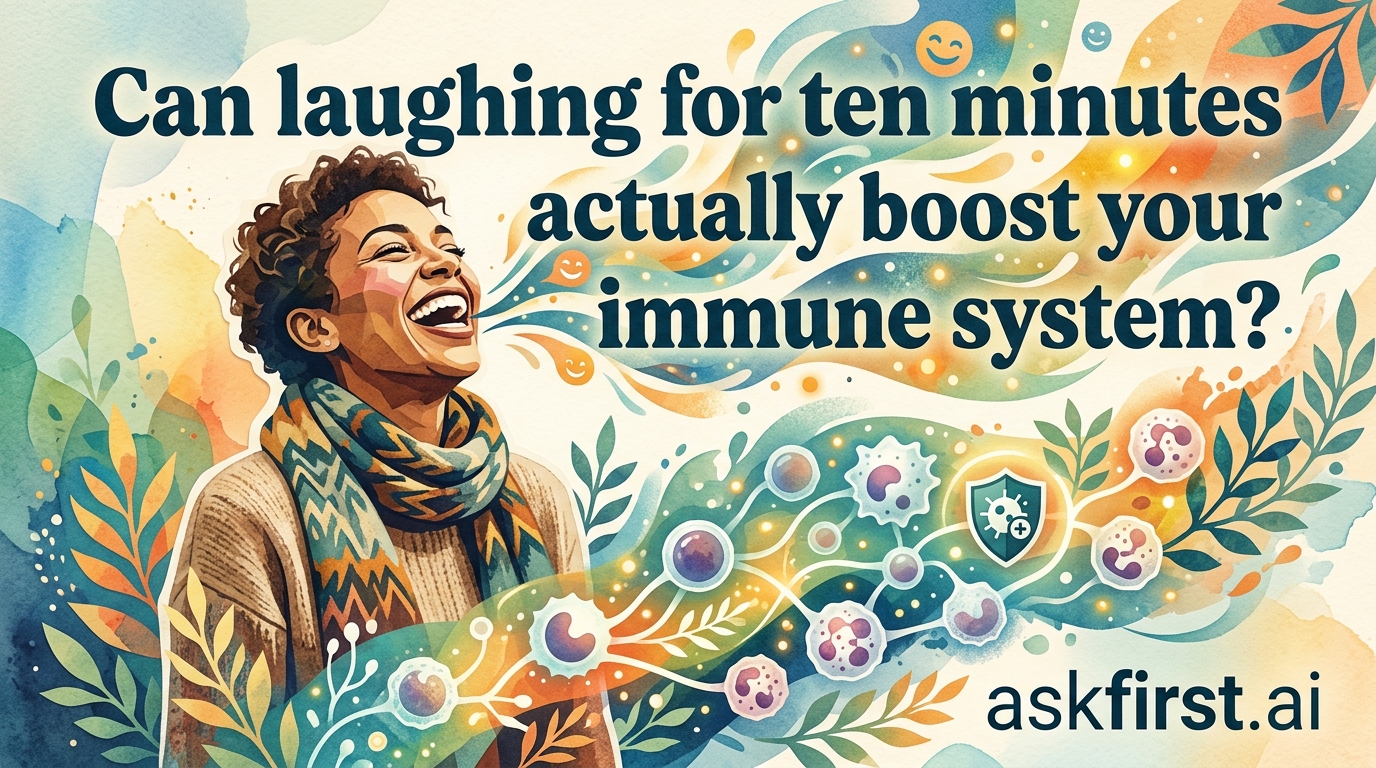
Laughter is often described as the best medicine, a cultural platitude that frequently feels like mere sentimentality. However, an extensive body of psycho-neuro-immunological research suggests that this ancient human behavior is a powerful physiological tool capable of modulating immune function. When an individual engages in ten minutes of hearty, sustained laughter, the body undergoes a series of complex biochemical shifts that transition the system from a state of stress to one of restorative balance.
The Physiological Cascade of Mirth
When laughter occurs, the brain initiates a cascade of neurochemical events. It triggers the release of endorphins, the body’s natural "feel-good" chemicals, while simultaneously suppressing the production of cortisol and adrenaline. Cortisol, commonly known as the stress hormone, is a well-documented immunosuppressant. By inhibiting the release of these catecholamines and glucocorticoids, laughter effectively creates a window of time where the immune system is free from the dampening effects of psychological stress.
Furthermore, research published in journals such as Alternative Therapies in Health and Medicine indicates that laughter increases the activity of natural killer (NK) cell cytotoxicity. NK cells are critical components of the innate immune system, acting as the front-line soldiers that identify and destroy virally infected cells and early-stage tumor cells. By elevating the functional activity of these cells, consistent laughter acts as a form of biological fortification.
Beyond Stress Reduction: The Role of Immunoglobulins
One of the most compelling pieces of evidence for laughter as an immune booster involves the concentration of Immunoglobulin A (IgA) in the saliva. IgA is the primary antibody present in the mucosal lining of the respiratory and digestive tracts. It serves as a vital first-line defense against pathogens entering the body through the air or food.
Scientific studies focusing on "gelotology"—the study of laughter—have demonstrated that humor-induced mirth is associated with significantly elevated levels of salivary IgA. This suggests that the benefits of laughter are not merely transient mood boosters but provide tangible, measurable improvements in mucosal immunity. Over ten minutes of sustained, genuine laughter, the systemic inflammation levels in the body tend to decrease, shifting the body toward an anti-inflammatory state that favors recovery and resilience.
The Mechanism of Deep Breathing
Laughter is essentially a rhythmic, vigorous form of breathing. When one laughs for ten minutes, the diaphragm is subjected to a workout similar to moderate aerobic exercise. This deep, diaphragmatic breathing improves oxygenation of the blood and facilitates the clearance of stagnant air from the lungs. Improved lung ventilation supports overall metabolic health and aids in the distribution of lymph—a vital fluid that carries immune cells throughout the lymphatic system.
Psychological Resonance and Social Cohesion
Beyond the biochemical metrics, laughter serves a profound evolutionary purpose: it is the social glue of human interaction. The act of laughing with others activates mirror neurons in the brain, which promote feelings of empathy and connectedness. The psychological buffer provided by these positive social bonds has been extensively linked to improved health outcomes. Loneliness and isolation are known to negatively impact immune competence; therefore, the communal act of laughing acts as a dual-action mechanism: it boosts immunity through internal physiological changes and strengthens the external social support systems that keep individuals thriving.
Practical Implementation: A Prescription for Joy
While ten minutes of laughter is not a substitute for clinical medical intervention or traditional hygiene practices, it is a low-cost, side-effect-free, and biologically potent strategy for optimizing health. To incorporate this into a lifestyle:
- Intentional Humor: Seek out content that induces genuine amusement rather than passive consumption.
- Social Engagement: Prioritize spending time with individuals who facilitate spontaneous laughter.
- Laughter Yoga: Explore structured techniques that use intentional laughter exercises to bypass the need for external triggers, ensuring a consistent duration of ten minutes.
Conclusion: The Biological Necessity of Play
The evidence is clear: laughter is not just a secondary reaction to humor but a primary, health-promoting biological response. By actively reducing stress hormones, increasing immune cell activity, and enhancing mucosal defenses, ten minutes of laughter serves as a foundational habit for long-term health. While it cannot replace modern medicine, it provides an essential, evolutionary-endorsed baseline of protection that allows the human body to operate with greater efficiency and vigor. In an increasingly stressful world, prioritizing the ability to find and express joy is a scientifically sound strategy for holistic well-being.