The Evolutionary Mandate of Social Safety
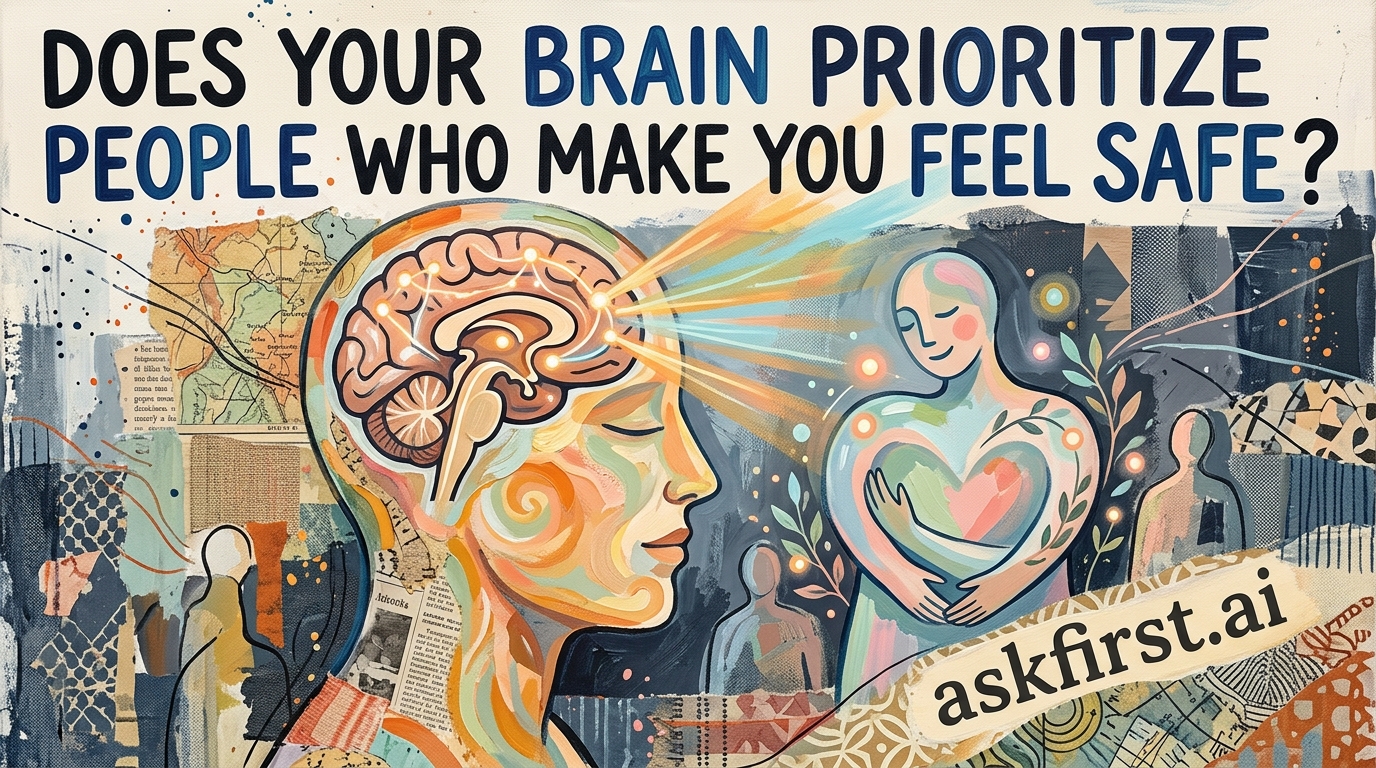
Human biology is fundamentally hardwired for survival, and the brain acts as an exceptionally efficient architect of this mission. When addressing whether the human brain prioritizes individuals who foster feelings of psychological and physical safety, the answer is a resounding affirmative. This phenomenon is rooted in the deep architecture of the limbic system, specifically the amygdala and the anterior cingulate cortex, which constantly scan the environment for cues regarding trust, stability, and belonging. In evolutionary terms, safety was synonymous with group cohesion, and expulsion from a tribe was effectively a death sentence. Therefore, the brain developed a sophisticated 'neural social radar' designed to seek out, identify, and prioritize those who signal safety.
The Neurobiology of Secure Attachment
When a person encounters someone who provides a sense of safety, the brain undergoes a biochemical shift that reinforces that connection. The release of oxytocin, often referred to as the 'bonding hormone,' plays a pivotal role here. Oxytocin functions not only to strengthen social bonds but also to reduce activity in the amygdala, effectively 'turning down the volume' on the brain’s fear response. When the amygdala is quieted, the prefrontal cortex—the area responsible for higher-order thinking and complex decision-making—can function with greater clarity. Consequently, the brain registers this individual as a valuable asset to survival, leading to a natural prioritization of that person in the individual’s cognitive space.
Why the Brain Prioritizes Trust Signals
- Energy Efficiency: Constant hyper-vigilance consumes massive amounts of metabolic energy. A trusted person acts as a 'cognitive buffer,' allowing the brain to enter a state of rest and recovery. This efficiency makes the brain subconsciously prioritize those who minimize the need for defensive energy expenditure.
- Predictability Patterns: The brain is a prediction machine. It craves patterns that it can rely on. Individuals who make us feel safe generally exhibit consistent behavior, which allows the brain to expend less energy on tracking threats and more on social synchronization.
- Survival Utility: Throughout history, those who were part of a safe, reliable inner circle were more likely to survive periods of famine, illness, or conflict. The modern brain carries this ancestral instinct, prioritizing those perceived as protectors or dependable allies.
The 'Safe-Haven' Effect in Modern Psychology
In contemporary psychological research, this is often explained through Attachment Theory. An individual who provides a 'safe haven' acts as a physiological regulator. When stress levels rise—whether due to work, personal setbacks, or general anxiety—the mere presence or thought of a safe individual can trigger a regulatory response in the nervous system. This is known as co-regulation. The brain prioritizes these individuals because they act as external regulators for the internal environment, effectively helping to manage blood pressure, cortisol levels, and heart rate.
Busting the Myth of 'Spontaneous Attraction'
Many assume that early attraction or social magnetism is purely aesthetic or circumstantial. However, current research suggests that what is often perceived as 'chemistry' is actually the brain’s rapid-fire assessment of safety markers. If a person signals safety through non-verbal cues—such as eye contact, mirrored body language, or a calm vocal tone—the brain flags them as a 'low-threat, high-value' candidate. This creates a halo effect where the brain prioritizes interaction with this person, often at the expense of others who may be more stimulating but less predictable or safe.
Strategic Implications of Social Prioritization
Understanding this mechanism offers profound insights into how personal and professional networks should be cultivated:
- Prioritize Environments of Trust: Because the brain naturally biases itself toward safe actors, one should consciously place themselves in circles where psychological safety is the norm, as this allows the prefrontal cortex to thrive.
- Become a Source of Safety: Those who consistently project safety—through active listening, non-judgmental presence, and reliable follow-through—are naturally prioritized by the brains of others. This is a foundational element of leadership and high-level social influence.
- Recognize the Bias: Knowing that the brain is biased toward safety allows one to override irrational trust in 'safe-seeming' individuals who may actually lack integrity, ensuring that critical thinking remains a partner to emotional comfort.
In conclusion, the human brain does not just prefer people who make us feel safe; it is biologically compelled to center its social architecture around them. This is not merely a social preference but a foundational survival mechanism that dictates where we focus our attention, how we allocate our energy, and how we form the bonds that define the human experience.