The Anatomy of Auditory Self-Perception
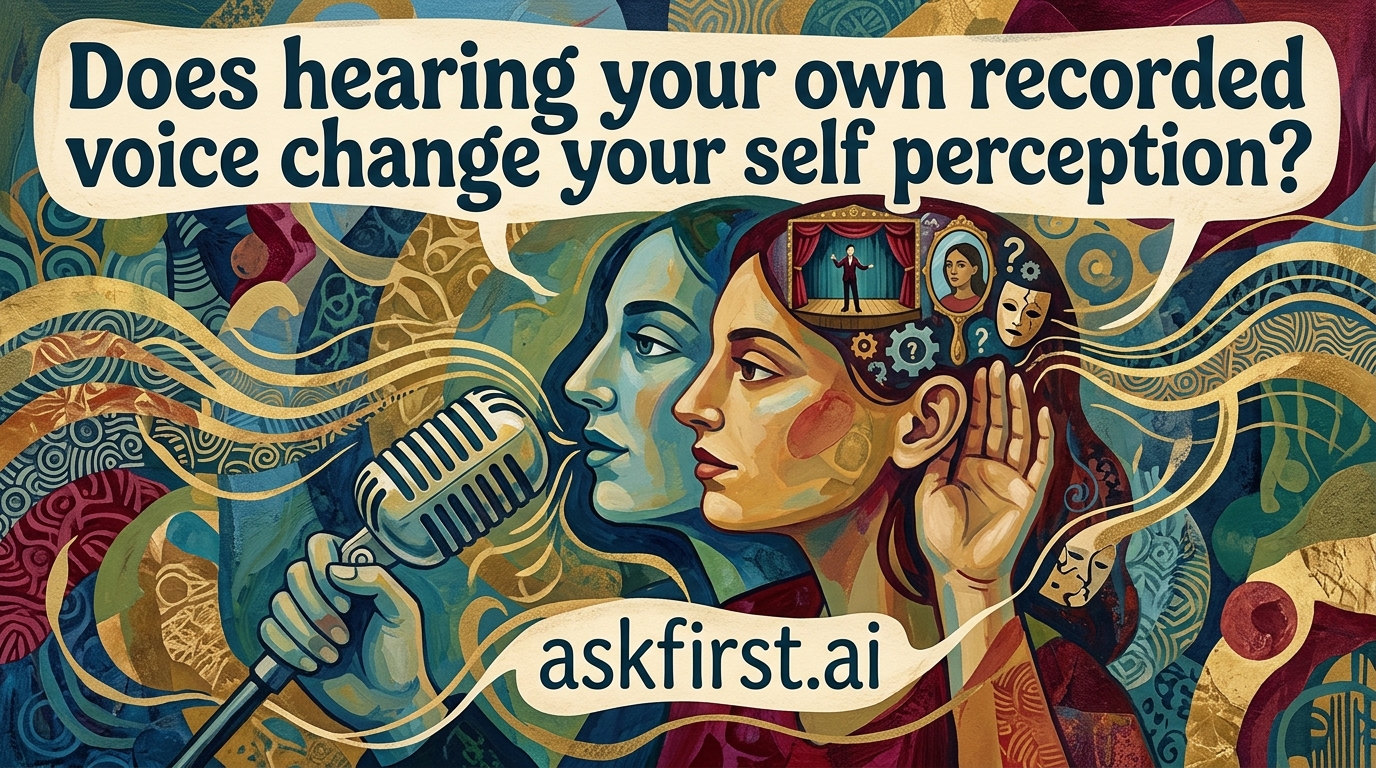
Hearing a recording of one's own voice often triggers a visceral reaction, typically characterized by surprise, discomfort, or even a sense of dissociation. This phenomenon is rooted in the fundamental difference between how an individual hears themselves speak versus how others perceive that same voice. The disparity exists because when people speak, sound travels to the inner ear through two distinct pathways: air conduction and bone conduction. Air conduction refers to the sound waves traveling through the environment and entering the ear canal, similar to how one hears any other external sound. Conversely, bone conduction involves vibrations traveling through the skull and jawbones directly to the cochlea, which is the spiral cavity of the inner ear that facilitates hearing.
The Role of Bone Conduction
Bone conduction tends to emphasize lower-frequency vibrations. These deep tones add a richness, resonance, and fullness to a person's voice that is absent when hearing a recording. Recordings rely exclusively on air conduction, meaning the unique, deep, 'insider' quality provided by one's own skeletal structure is stripped away. Consequently, the playback sounds thinner, higher-pitched, and perhaps slightly nasal or strained. This disconnect creates a cognitive dissonance. The brain expects the familiar, resonant voice it has known for a lifetime, and the arrival of a foreign-sounding, higher-pitched recording forces a rapid recalibration of self-identity during the listening experience.
Psychological Implications: The 'Voice Confrontation' Effect
Psychologists have identified the 'voice confrontation' effect as the psychological discomfort experienced when listening to a recording of one's own voice. This reaction is not merely auditory; it is deeply tied to self-concept. Research in behavioral psychology suggests that humans construct a stable internal model of who they are, which includes the sound of their voice. When an external stimulus contradicts this internal model, it triggers a 'self-recognition' failure. Individuals often feel their recorded voice is 'stranger' than they imagined, which can lead to a shift in how they perceive their own personality traits. For example, if a speaker perceives their voice as authoritative, but the recording sounds timid or unsure, it may induce a critical re-evaluation of their social persona.
Influences on Confidence and Communication
Beyond simple discomfort, this perceptual mismatch can have practical consequences for public speaking and personal confidence. Many individuals report feeling insecure after hearing their recordings because they become hyper-aware of speech patterns, filler words, and vocal inflections that they were previously blind to. This heightened self-monitoring is a double-edged sword. While it can be a powerful tool for self-improvement—allowing speakers to identify and correct poor habits like mumbling or monotone delivery—it can also lead to excessive self-criticism. Developing a realistic perception of one's voice is essentially an exercise in auditory desensitization. Frequent exposure to recorded audio recordings can bridge the gap between the internal and external auditory perception, ultimately leading to higher levels of comfort and poise.
Strategies for Better Vocal Perception
To move past the initial shock and utilize this phenomenon for personal growth, one can follow several expert-recommended strategies:
- Regular Exposure: Treat vocal recordings like an acquired taste. By listening to oneself frequently, the brain begins to accept the air-conduction version as a legitimate aspect of the self-concept.
- Objective Analysis: Focus on technical elements like pace, clarity, and projection rather than the 'timbre' or tone, which is subjective and influenced by the recording equipment.
- Controlled Environment: Use high-quality microphones to ensure the playback is as accurate as possible, preventing distorted interpretations of the vocal quality.
Why This Phenomenon Matters
Ultimately, the sensation of hearing one's recorded voice is a fascinating look into how the brain filters sensory information to build an identity. It serves as a reminder that self-perception is a constructed reality, one that is built on an amalgamation of internal sensory experiences that are often different from how the rest of the world perceives us. Embracing this difference allows individuals to become more effective communicators. By understanding that the 'stranger' on the recording is actually how one projects to others, the listener can move beyond judgment and into a phase of active vocal optimization. This transition from 'shock' to 'analytical improvement' is a core milestone in professional development and emotional maturity, proving that while our voice may surprise us, it remains a powerful instrument for shaping our interactions and relationships with the world at large.