The Evolutionary Psychology of Vulnerability
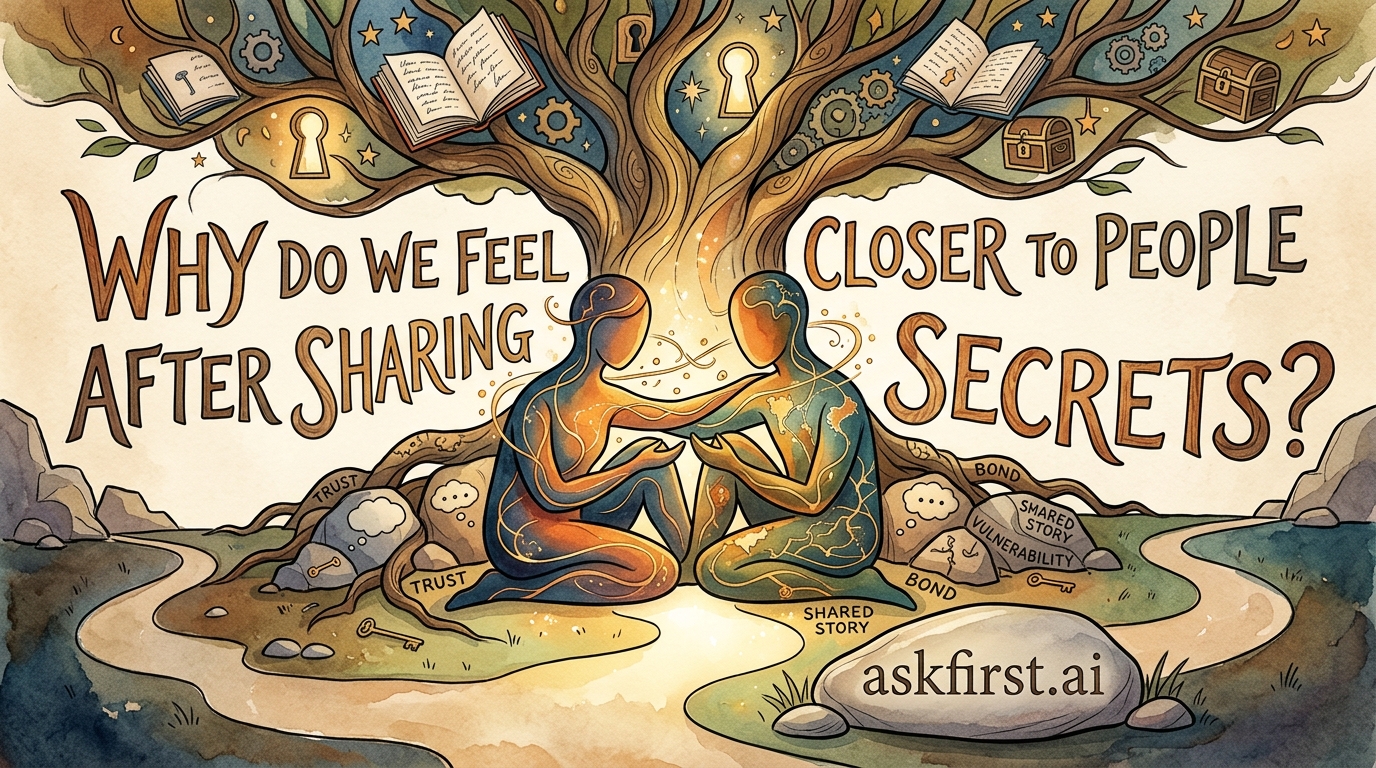
The act of sharing a secret creates an immediate, visceral shift in the interpersonal landscape between two individuals. From an evolutionary perspective, sharing sensitive information serves as an 'honest signal' of trust. In ancestral environments, the cost of revealing private information was high; if the information were weaponized, it could lead to social ostracization or physical danger. Therefore, when an individual reveals a secret, they are effectively lowering their defenses, signaling to the recipient that they view them as a low-threat, high-value ally. This reciprocal vulnerability is the bedrock of what social psychologists call the 'Self-Disclosure Loop.'
The Neurochemistry of Connection
When a secret is shared, the brain engages a complex interplay of neurotransmitters. The act of trusting someone initiates a surge of oxytocin, often referred to as the 'bonding hormone.' This chemical helps to suppress the amygdala—the region of the brain responsible for fear and threat detection. As the amygdala quiets down, the brain becomes more receptive to positive social feedback. Furthermore, the anticipation of acceptance triggers a release of dopamine, the neurotransmitter associated with reward and motivation. When the listener responds with empathy rather than judgment, the bond is reinforced, turning a momentary exchange into a foundation for a lasting psychological attachment.
The 'Secret-Sharing' Paradox
The phenomenon often functions as an exercise in mutual risk. Sociologists define this as a social contract. By sharing a secret, the discloser grants the listener 'insider status,' creating a dyadic boundary that excludes outsiders. This exclusivity inherently strengthens the group of two. It effectively creates a 'us versus the world' dynamic that is psychologically comforting.
- Risk Assessment: The brain subconsciously evaluates the listener's reaction. If the reaction is one of active listening and validation, the brain perceives the shared secret as an investment that has paid a dividend.
- Identity Validation: Sharing a secret is essentially saying, 'This is a part of my truth.' When that truth is acknowledged, the discloser feels seen, which is a fundamental human need.
The Three Pillars of Disclosure
To understand why this leads to closeness, one must examine the three pillars of psychological disclosure:
- Reciprocity: The norm of reciprocity dictates that if one person gives, the other should give back. Once a secret is shared, the listener feels a subtle, psychological pressure to share something of equal depth, leading to an upward spiral of intimacy.
- Consistency: Keeping the secret safe establishes the listener as a reliable guardian of one's identity. This reinforces the perception of the listener's character.
- Validation: Receiving confirmation that a secret does not diminish one's value in the eyes of another person is one of the most powerful forms of emotional validation available.
The Dangers of Superficiality
In modern social interactions, many people engage in 'phatic communication'—small talk that maintains social decorum but lacks depth. While necessary for societal functioning, this rarely leads to deep bonding. Relationships that stall at the surface level often fail because they never reach the 'secret-sharing' threshold. Without the exchange of private narratives, the individuals involved remain static characters in each other's lives rather than partners.
Practical Applications for Deepening Bonds
Understanding this mechanism does not mean one should share every private thought with strangers. Rather, it suggests a tiered approach to intimacy:
- The Test Phase: Share a small piece of personal history and observe how the other person treats that information.
- The Bridge Phase: Once trust is established through small disclosures, move toward sharing personal challenges or aspirations that are not widely known.
- The Anchor Phase: Deep secrets solidify the relationship, acting as a psychological anchor that makes the bond difficult to break.
Conclusion: The Architecture of Trust
Ultimately, sharing secrets is the human way of 'cashing in' on social bonds. It is a transition from being acquaintances to becoming confidants. By lowering the wall of privacy, individuals allow each other to step into their inner worlds, fostering a sense of psychological proximity that is almost impossible to replicate through ordinary conversation. In a world of digital distance, the deliberate act of sharing a secret remains the most potent tool for building genuine, enduring human connection.