The Neurobiology of Stress-Induced Sugar Cravings
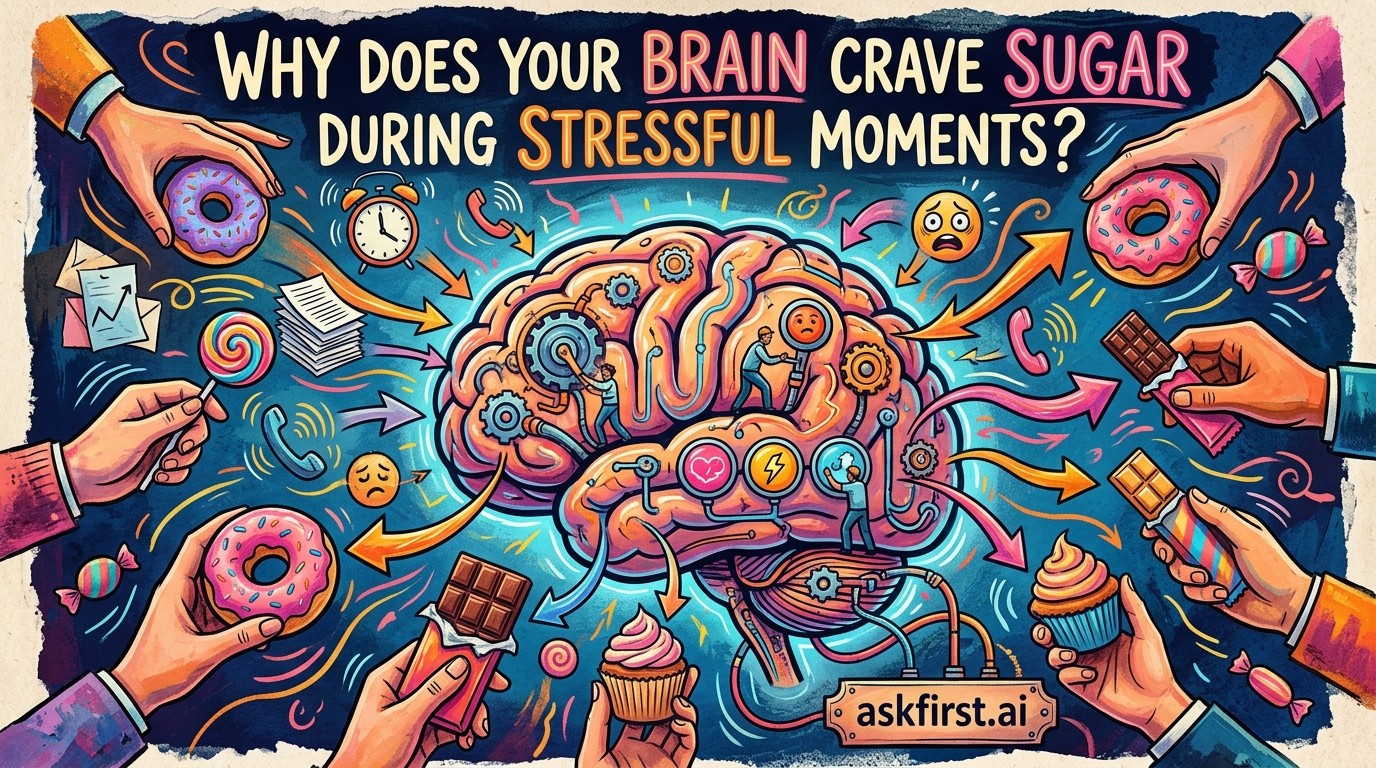
When stress strikes, the human brain undergoes a rapid metabolic shift, prioritizing survival over long-term health. The phenomenon of reaching for a sugary snack in the heat of a crisis is not a mere lapse in willpower; it is a complex evolutionary adaptation rooted in ancient neurobiological pathways. During moments of high pressure, the brain enters a state of heightened arousal, activating the HPA (hypothalamic-pituitary-adrenal) axis. This system triggers the release of cortisol, the body's primary stress hormone, which prepares the muscles and organs for the 'fight-or-flight' response. However, this response is metabolically expensive.
The Glucose Connection
The brain consumes approximately 20 percent of the body's daily caloric intake, even though it accounts for only about 2 percent of total body weight. Under acute stress, cognitive tasks such as decision-making, executive function, and emotional regulation place an even greater demand on glucose reserves. Cortisol increases the availability of glucose in the bloodstream by mobilizing stored energy from the liver. Ironically, while cortisol temporarily boosts blood sugar, it also fosters a physiological environment that demands rapid replenishment. The brain, perceiving this heightened state as an emergency, signals a hunger for quick-acting fuel—glucose—to maintain high-level cognitive function.
Dopamine and the Reward System
Beyond simple energy metabolism, the craving for sugar is deeply tied to the brain's reward circuitry. When we consume sugar, the body releases endogenous opioids and dopamine in the nucleus accumbens, a region of the brain associated with motivation and reward. This biochemical reaction provides a temporary analgesic effect on emotional distress, essentially 'numbing' the perception of stress. This creates a powerful reinforcement loop: when the brain perceives stress, it remembers the immediate dopamine release that occurred after a sugary snack, prompting the individual to seek out that same reinforcement again. This mechanism is an evolutionary artifact; in the ancestral environment, sweet foods were indicators of high-energy, safe food sources, whereas bitter or sour foods might have been toxic.
The Impact of Chronic Stress
While this mechanism provides a temporary reprieve from acute tension, chronic stress leads to maladaptive eating habits. Research published in The Journal of Endocrinology highlights that persistent elevation of cortisol can diminish the effectiveness of internal hunger signals, making it harder for individuals to distinguish between physiological hunger and emotional craving. Furthermore, the combination of high cortisol and high insulin levels creates a biochemical perfect storm that encourages the storage of fat, particularly in the visceral area, while simultaneously increasing the drive to consume calorie-dense, palatable foods.
Strategies for Mitigation
Understanding the biological basis of these cravings is the first step toward effective management. Experts recommend several evidence-based strategies to break this cycle:
- Stabilize Blood Sugar: Prioritizing complex carbohydrates, fiber, and lean proteins helps prevent the sharp glucose spikes and subsequent crashes that often trigger the 'stress-sugar-binge' cycle.
- Mindfulness-Based Stress Reduction: Techniques such as deep-breathing exercises, meditation, and structured movement can lower cortisol levels more sustainably than sugar consumption.
- Dopamine Alternatives: Substituting the 'sugar hit' with activities that naturally increase dopamine, such as listening to music, engaging in aerobic exercise, or social connection, can provide the psychological relief needed without the metabolic side effects.
- Hydration: Often, the brain confuses subtle signals of dehydration with cravings for sugar. Ensuring adequate water intake can act as a natural moderator for these urges.
Evolutionary Perspective
The craving for sugar under stress is not a defect in human design but a relic of a time when food scarcity was the primary threat to survival. In that context, prioritizing high-calorie intake during a life-threatening crisis was an intelligent survival mechanism. In the modern era, however, this mechanism is often misdirected. By recognizing that these urges are a biological miscalculation rather than a personal failing, individuals can develop more effective tools for managing their stress and nutritional health long-term.