The Paradox of Perceptual Gain
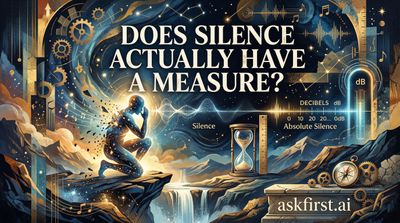
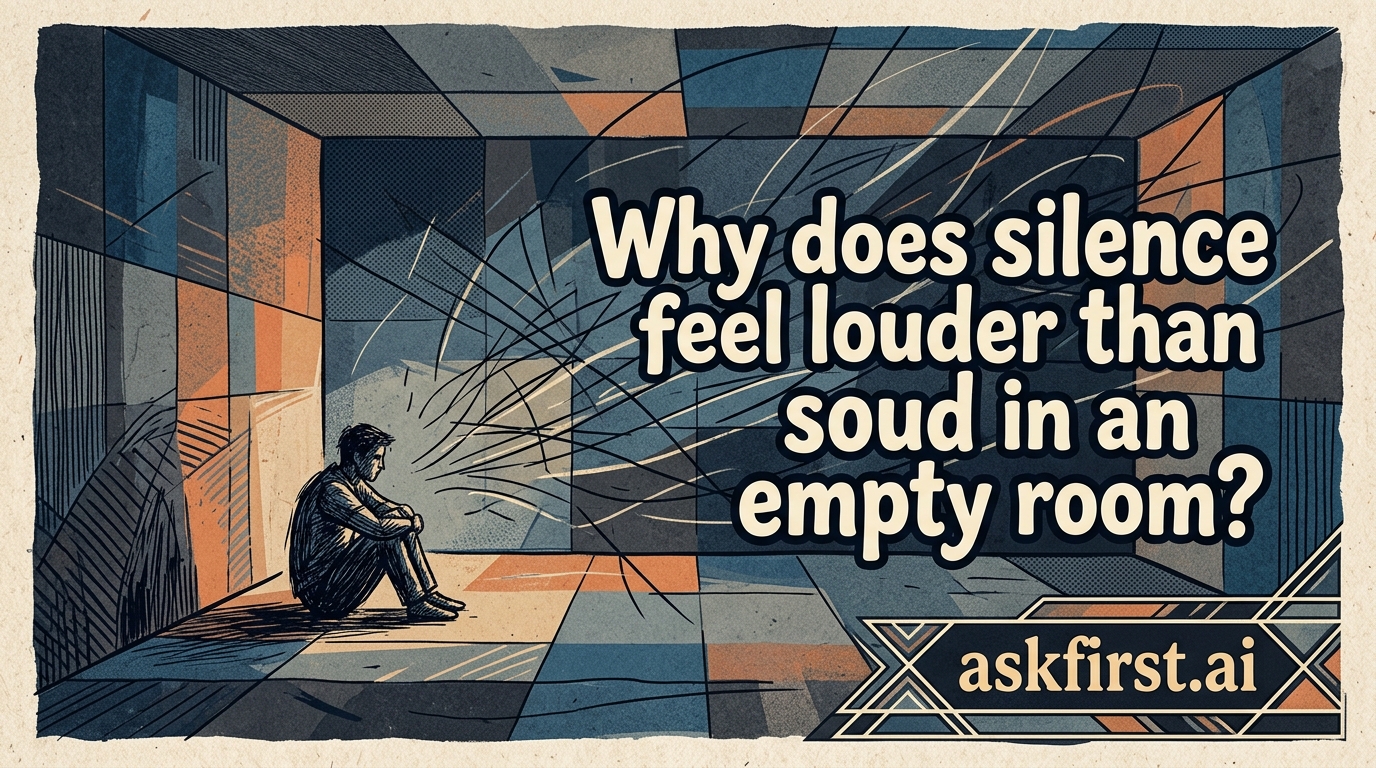
When one enters an environment devoid of ambient noise, such as an anechoic chamber or a vacant house at midnight, the silence is rarely experienced as a total absence of input. Instead, the brain detects a profound, ringing, or heavy sensation that is often described as 'louder' than the background chatter of daily life. This phenomenon is rooted in the architecture of the human auditory system and the way the brain processes sensory deprivation.
The Neural Gain Control Mechanism
The human auditory system is equipped with an extraordinary mechanism known as 'neural gain control.' Under normal circumstances, the brain constantly filters out background noise—the hum of a refrigerator, the distant rumble of traffic, or the clicking of a radiator. This filtering is efficient and automatic. When an individual suddenly enters a state of near-total silence, the brain expects input that does not arrive. In response, it increases the sensitivity of the auditory pathways, akin to cranking up the gain on a microphone in a quiet studio. As the 'gain' rises to pick up faint sounds, the internal physiological noise becomes amplified.
Internal Biological Noise
Because the external world has provided no stimulation, the ears and the auditory cortex turn their focus inward. During this phase, individuals begin to perceive biological functions that were previously masked. This includes:
- Blood flow: The rushing of blood through the carotid arteries near the ears.
- Muscular micro-movements: The minute tightening of the tensor tympani muscles within the middle ear.
- Spontaneous neural firing: The random discharge of neurons in the auditory nerve, which the brain interprets as a constant, subtle hum or tinnitus-like tone.
These sounds are typically ignored by the brain under normal conditions due to habituation. However, in the absence of external competing sound, the brain assigns newfound importance to these internal signals, magnifying their prominence.
The Psychological Expectation of Sound
Psychologically, human beings are evolutionary conditioned to associate silence with danger. For our ancestors, a sudden silence in the forest often signaled that a predator was stalking, causing them to freeze and focus intently on the slightest rustle. This heightened state of alert is termed 'hypervigilance.' Even in the safety of a modern home, the brain retains this instinctual bias. When silence occurs, the mind proactively seeks out patterns, often hallucinating or misinterpreting the faint, internal biological noises as external threats, which contributes to the feeling of an overwhelming 'loudness' to the silence.
Sensory Deprivation and Auditory Illusions
Scientific research into sensory deprivation suggests that the brain struggles to process a total lack of sensory data. In extreme environments like anechoic chambers—rooms designed to absorb almost all sound reflections—the experience is often unnerving. After only a few minutes, visitors report being able to hear their own heartbeat and even the digestion of food. This is because the brain is a prediction engine; it expects the world to be a 'noisy' place. When that expectation is violated, the nervous system enters an agitated state, creating a subjective experience where the lack of sound feels like a physical pressure or a high-decibel weight pressing against the consciousness.
The Role of Acoustic Reflections
While we often associate silence with emptiness, the physics of a room also play a role. In a truly empty room, there are no soft surfaces to absorb sound waves. If a single sound is produced—a footfall or a breath—it bounces off hard walls, floors, and ceilings with minimal decay. The brain perceives these rapidly repeating reflections as a distinct, sharp 'clatter' that breaks the silence abruptly. The contrast between the expected void and the sudden sharp reflection makes the sound feel far more aggressive and louder than it would in a room filled with furniture, carpets, and curtains, which serve to dampen the energy of the acoustic environment.
Summary: A Mind Refusing to be Still
The sensation of 'loud' silence is a masterpiece of biological adaptation. It serves as a reminder that the brain is never truly 'off.' It is a dynamic, vigilant processor that creates its own reality based on the environment. Whether through the increase of internal neural gain, the triggering of evolutionary hypervigilance, or the amplification of biological sounds, silence does not exist in a human context; it is simply the moment we stop listening to the world and start listening to ourselves. Embracing this reality allows us to appreciate that the loudest things we ever hear are often the ones created by our own physiology in the quietest of places.