The Science of Petrichor and Memory
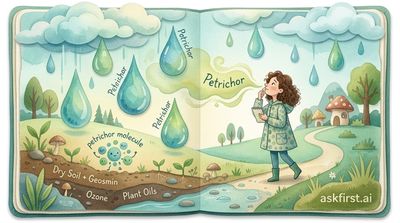
The phenomenon known as petrichor—the earthy scent produced when rain falls on dry soil—is more than just a pleasant sensory experience; it is a profound biological trigger. The scent is created by a combination of plant oils and a compound called geosmin, which is released by soil-dwelling bacteria known as actinomycetes. When raindrops strike the ground, they create tiny aerosols that carry these chemical signatures into the air. What follows is a complex neural journey that bridges the gap between olfactory sensation and deep episodic memory.
The Neural Pathway: Why Smells Are Special
Unlike visual or auditory information, which must be routed through the thalamus—the brain's relay station—before being processed, smells take a 'shortcut.' Olfactory signals travel directly to the olfactory bulb. From there, they are sent immediately to the amygdala, which processes emotion, and the hippocampus, which is responsible for associative learning and memory consolidation. This anatomical arrangement is often referred to as the 'Proustian Effect,' named after Marcel Proust, who famously described how the scent of a madeleine cookie dipped in tea unlocked a cascade of childhood memories. Because the olfactory system is physically hardwired into the brain's emotional and memory centers, it can bypass the conscious filter of logic, pulling vivid, multi-sensory memories into the forefront of the mind instantly.
The Anatomy of an Associative Trigger
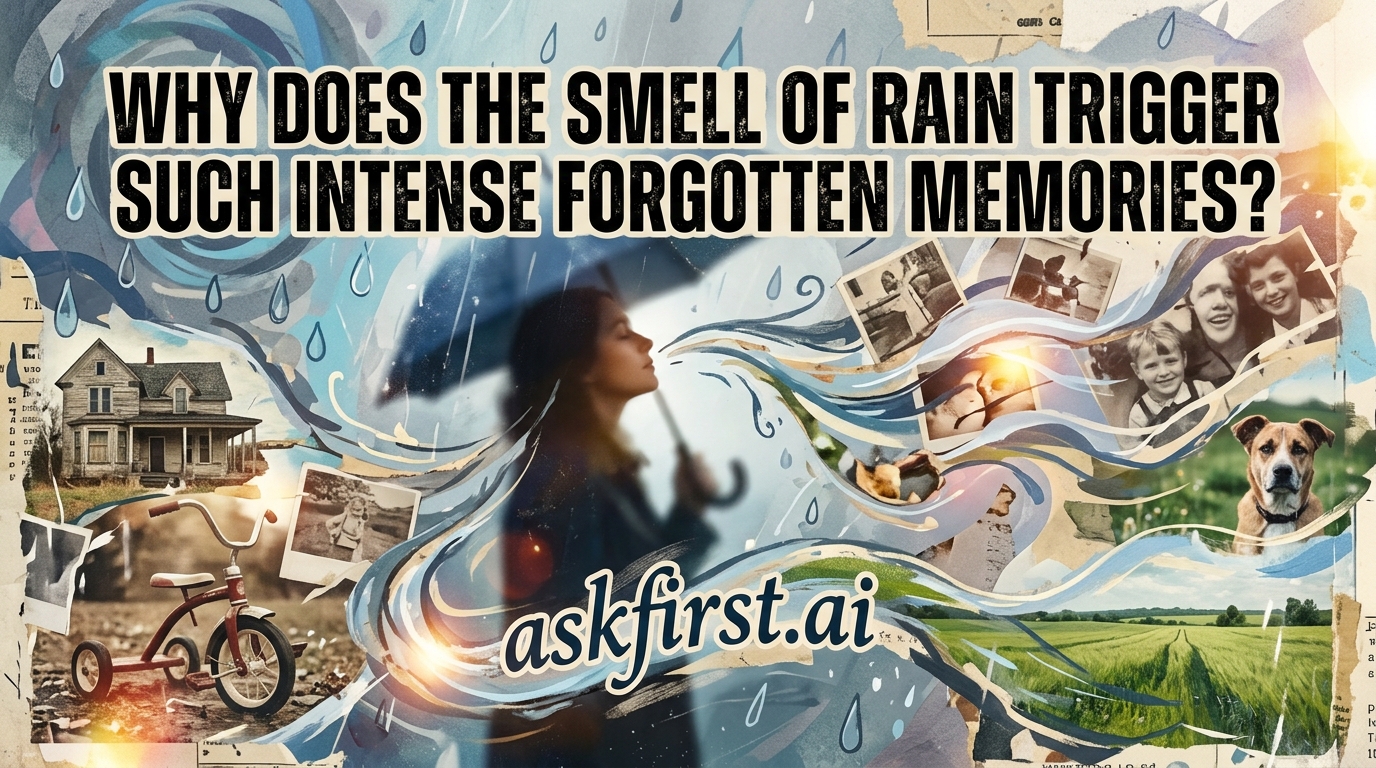
Memory is largely reconstructive, not archival. When a specific scent like petrichor enters the nostrils, the brain performs a massive search-and-retrieval operation. It matches the chemical profile of the scent against a vast library of past experiences stored in the hippocampus. If a memory of a summer storm from childhood is strongly encoded, that specific olfactory input acts as a 'key' that unlocks the entire scene. This is why the recall often feels 'intense' or 'visceral'—the brain is not just recalling the fact that it rained; it is regenerating the emotional state, the background sounds, and even the feeling of the temperature from that specific moment in time.
Why Certain Memories Remain Dormant
Many memories are 'forgotten' because they are rarely accessed or because the original neural connections have weakened. However, odors are remarkably stable triggers. Research suggests that olfactory memory decay is much slower than visual memory decay. An individual might have no conscious memory of a childhood event until the specific chemical cocktail of petrichor strikes the olfactory receptors. This reactivation proves that the data was never truly lost; it was merely dormant, waiting for the specific sensory index key to be pressed. This process is essential for learning and survival, allowing organisms to recall environmental conditions associated with resources or safety.
Practical Applications and Psychological Insights
Understanding the link between scent and memory has significant implications for neuropsychology and therapy. Scent-based therapy is increasingly being explored to help individuals with dementia or trauma access buried cognitive connections. By using familiar, nostalgic scents, caregivers can sometimes stimulate neural pathways that remain functional even when other cognitive processes are compromised. Furthermore, this mechanism serves as a reminder of the brain's incredible capacity for preservation. We are effectively walking archives, and the environment around us is filled with triggers that hold the power to transport us back to earlier versions of ourselves.
Key Takeaways for the Curious Mind
- The Direct Route: Scent is the only sense that bypasses the thalamus, allowing for rapid emotional responses.
- Biological Roots: Petrichor is primarily caused by geosmin, a chemical byproduct of soil bacteria.
- Memory Reconstruction: The brain uses these scents as an index for reconstructing multi-sensory experiences.
- Long-Term Stability: Olfactory memories have a higher threshold for degradation compared to visual or auditory memories.
Ultimately, the smell of rain acts as an involuntary time machine. It proves that the history of our lives is etched into our neural structure, linked irrevocably to the chemicals in the air. When you smell the earth after a downpour, you are not just smelling rain; you are experiencing the biological reactivation of a forgotten chapter of your own personal narrative.