The Invisible Architect of Preference
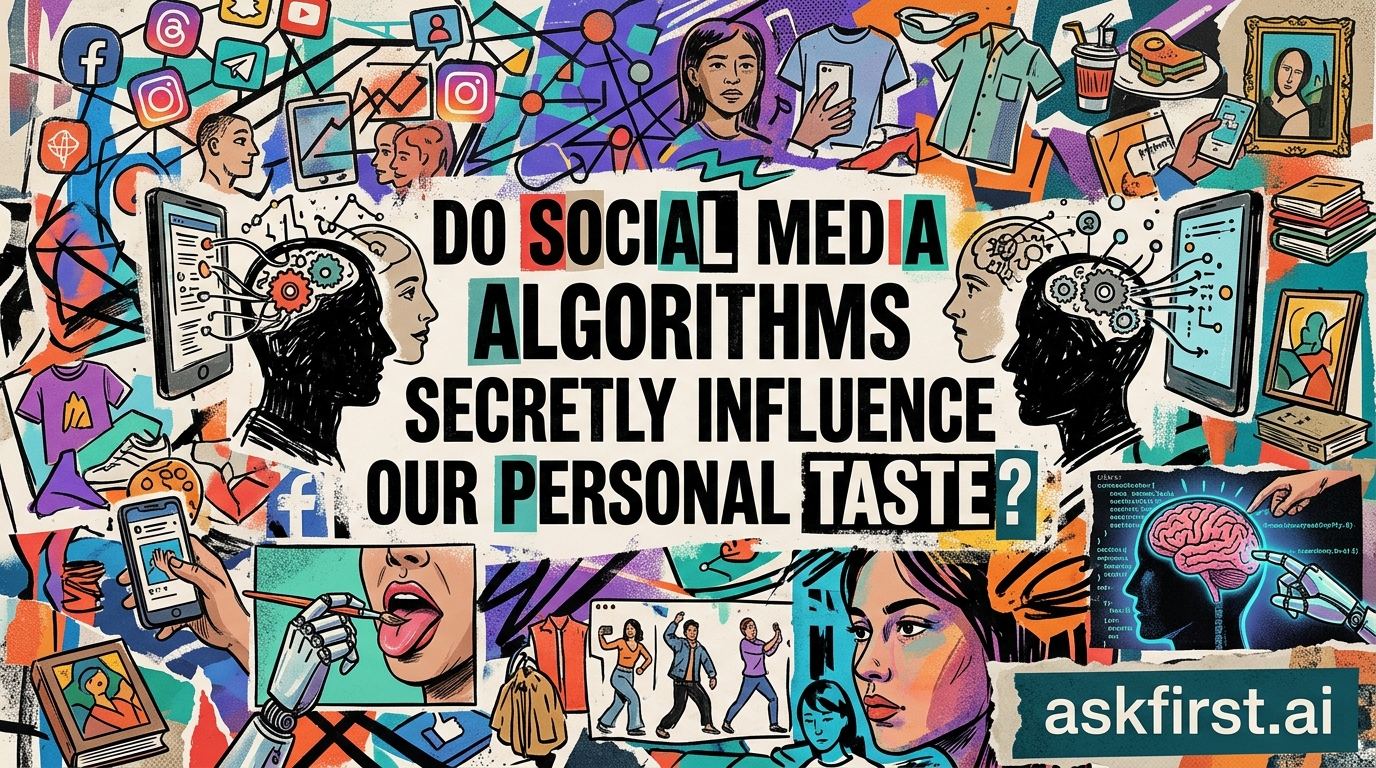
Modern digital environments are governed by sophisticated recommendation engines designed to maximize engagement, retention, and time spent on platforms. These algorithms function as invisible architects, systematically curating the information, aesthetics, and cultural products users consume. While the perception remains that taste is a deeply personal, autonomous expression of individuality, research suggests that algorithmic curation significantly nudges, reinforces, and shapes these preferences over time.
The Mechanism of Preference Engineering
At the core of algorithmic influence lies the mechanism of Collaborative Filtering. By analyzing behavioral data—likes, scroll depth, click-through rates, and viewing duration—algorithms identify clusters of users with similar profiles. When a user falls into a specific behavioral cluster, the platform suggests content enjoyed by others in that group. This creates a feedback loop where individual taste is constantly mirrored back by the platform. If the algorithm detects a slight affinity for a specific aesthetic, it presents a higher volume of that content. This repetition leads to the Mere-Exposure Effect, a psychological phenomenon where people develop a preference for things simply because they are familiar with them. The algorithm ensures familiarity becomes the foundation of choice.
Echo Chambers and Filter Bubbles
Algorithms are engineered to minimize cognitive dissonance, which often results in the creation of filter bubbles. By prioritizing content that aligns with existing preferences, platforms effectively shield users from alternative viewpoints or aesthetic styles. When individuals are rarely challenged by disparate content, their taste horizons narrow. This phenomenon, often termed Algorithmic Homogenization, explains why specific design trends, musical genres, or fashion styles seem to explode in popularity simultaneously across global digital spaces. The "taste" of the masses is increasingly synchronized by the common denominators of platform algorithms.
Psychological Hooks and Behavioral Nudges
Algorithms leverage deep psychological insights to maintain user engagement. Consider the following structural influences on taste:
- Variable Reward Systems: By occasionally injecting novel content into a familiar feed, platforms stimulate dopamine responses. This encourages users to wait for the "next" thing, making them more susceptible to whatever trend the algorithm decides to boost.
- Social Proofing: Algorithms highlight content that already has massive engagement. This creates a false sense of objective consensus, leading users to believe that if something is trending, it must be objectively "good" or "worthwhile."
- Predictive Modeling: Advanced machine learning anticipates what a user might like before they even express an interest, subtly guiding them toward specific consumer categories.
Challenging the Myth of Autonomy
While users maintain the illusion of choice, the decision-making process is fundamentally constrained by the menu provided by the platform. If the architecture of the platform emphasizes short-form video, users will naturally develop a preference for faster-paced, high-impact content over long-form, contemplative media. The medium dictates the message, and the algorithm dictates the medium. Sociologists argue that this leads to a state of Adaptive Preference Formation, where individuals adapt their desires to fit the constraints of the digital environments they frequent most.
Future Implications and Digital Literacy
As artificial intelligence becomes more adept at generating content, the influence of these engines will only deepen. Algorithms are transitioning from merely recommending existing content to actively shaping future creation. Artists, designers, and influencers now create content specifically tailored to satisfy the requirements of recommendation engines—a process known as Algorithmic Optimization. Consequently, cultural output is increasingly crafted to appeal to software rather than human intuition.
Cultivating Conscious Consumption
To reclaim personal agency in taste, users must engage in conscious digital consumption. This involves:
- Intentional Exploration: Seeking content outside of algorithmic recommendations by using search engines rather than feeds.
- Platform Diversification: Using multiple platforms with different underlying algorithmic logic to avoid tunnel vision.
- Critical Awareness: Recognizing that every recommendation provided by a platform is a commercial choice intended to keep the user stationary.
Understanding that taste is co-constructed by humans and software is the first step toward genuine intellectual autonomy. While it is impossible to fully escape the influence of modern technology, shifting from a passive consumer to an active curator allows individuals to distinguish between their authentic preferences and those curated by the cold logic of lines of code.