The Eternal Nature of Honey: Science Behind the Sweetness
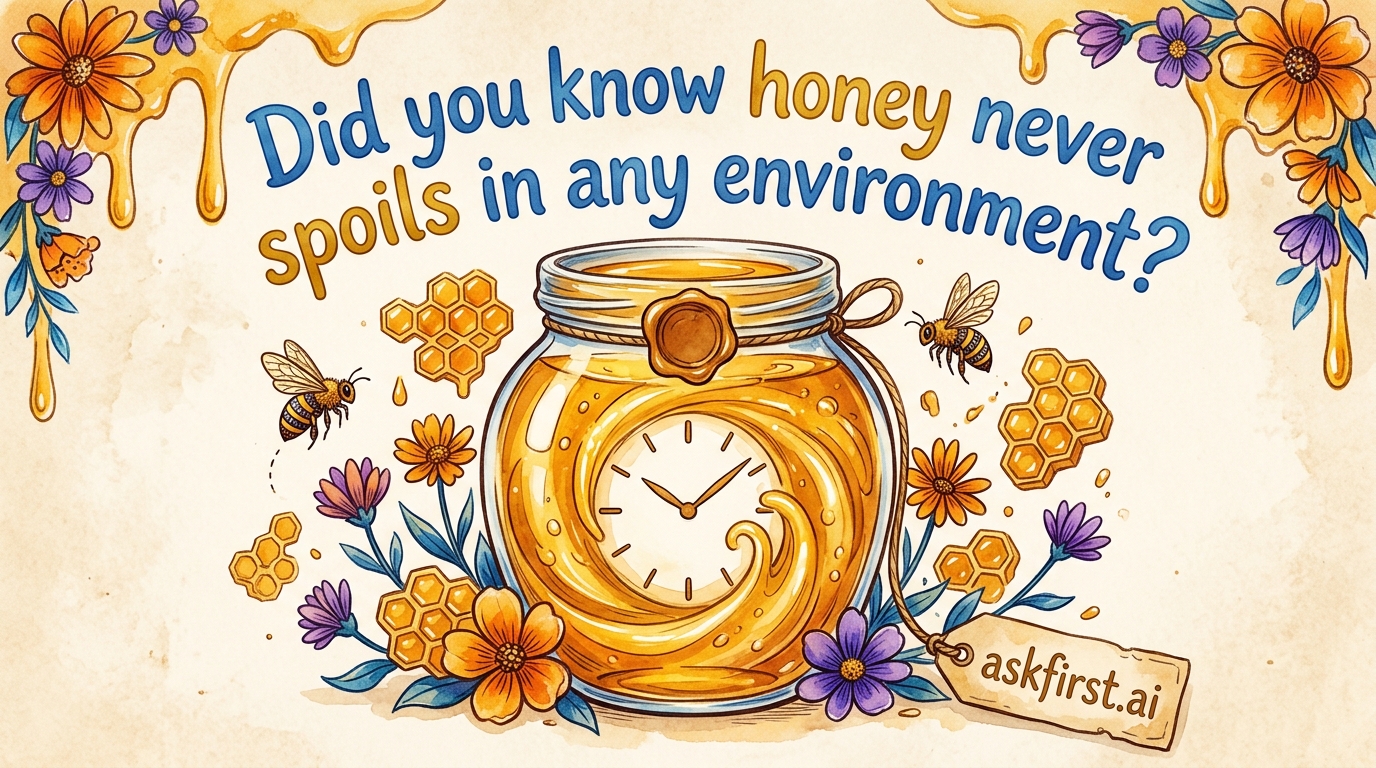
Honey, often referred to as liquid gold, is one of the few food products on Earth that can truly withstand the test of time. Archaeologists have discovered pots of honey in ancient Egyptian tombs that are thousands of years old and, remarkably, still technically edible. This extraordinary longevity is not a product of magic, but rather a perfect storm of chemistry, biology, and physics.
The Chemical Defense Mechanisms
To understand why honey remains stable, one must look at the unique conditions that inhibit microbial growth. Bacteria and fungi require specific environments to survive, and honey acts as a biological fortress against them. The following factors contribute to its immortality:
- Extremely Low Water Activity: Bacteria and fungi need moisture to survive and reproduce. Honey is hygroscopic, meaning it attracts and absorbs water molecules from its environment, but it also has very little free water itself. This dehydrating effect on microbes makes it nearly impossible for them to survive.
- High Osmotic Pressure: Due to its high sugar content, honey exerts high osmotic pressure. This process draws water out of bacterial cells, effectively shriveling them and preventing them from colonizing the substance.
- Acidic pH Level: Honey is naturally acidic, typically falling between 3 and 4.5 on the pH scale. This environment is hostile to most microorganisms that typically thrive in more neutral pH conditions.
The Role of Hydrogen Peroxide
One of the most fascinating aspects of honey is its ability to produce its own disinfectant. When bees produce honey, they introduce an enzyme called glucose oxidase. When this enzyme comes into contact with glucose, it converts it into gluconic acid and hydrogen peroxide. Hydrogen peroxide is a well-known antimicrobial agent, and it serves as a powerful protective barrier against unwanted invaders. This internal chemistry essentially acts as an 'immune system' for the honey.
The Importance of Proper Storage
While honey is technically eternal, it is susceptible to physical changes. If honey is exposed to air, it will reabsorb moisture from the atmosphere. If the water content rises above 18 percent, it provides a viable environment for yeast, which can eventually cause fermentation. To keep honey in its pristine, raw state, it must be stored in airtight containers. If your honey crystallizes, it is not spoiled. Crystallization is a natural physical process caused by the glucose content, and it can be easily reversed by gently warming the jar in a water bath.
Biological Evolution and Symbiosis
The survival of honey is also a testament to the evolutionary genius of the honeybee. By concentrating nectar into honey, bees provide themselves with a high-energy food source that can be stored for long periods, allowing the colony to survive winters or droughts. This drive to produce a shelf-stable, high-energy product is what humans have been harvesting for millennia. The symbiosis between the flora, the pollinators, and the climate results in a product that refuses to decay.
Myth vs. Reality: Does Honey Ever Expire?
It is common to see 'Best By' dates on jars of supermarket honey. However, this is largely a regulatory requirement rather than an indicator of decay. Provided that the honey is harvested and processed correctly, the expiration date is a legal formality. Even when honey changes color or texture, its structural integrity remains. It does not go bad in the way that dairy or meat does. The only true danger to honey is improper human handling, such as using dirty utensils that might introduce foreign contaminants, such as mold spores or excess moisture, into the jar.
Conclusion
Honey serves as a brilliant example of nature’s ability to create self-preserving systems. By balancing acidity, sugar concentration, and natural enzymatic activity, honey creates an environment that denies life to the very microbes that would typically break down organic matter. Whether stored for a month or a century, honey remains one of the few delicacies that honors the concept of immortality. Next time you open a jar of honey, appreciate that you are consuming a substance that has defied the decay of time itself.