The Paradox of Social Isolation
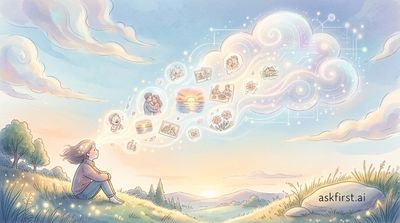
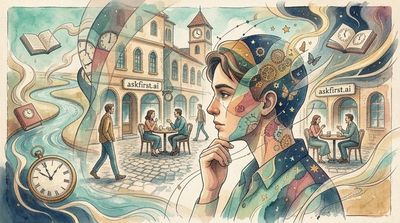
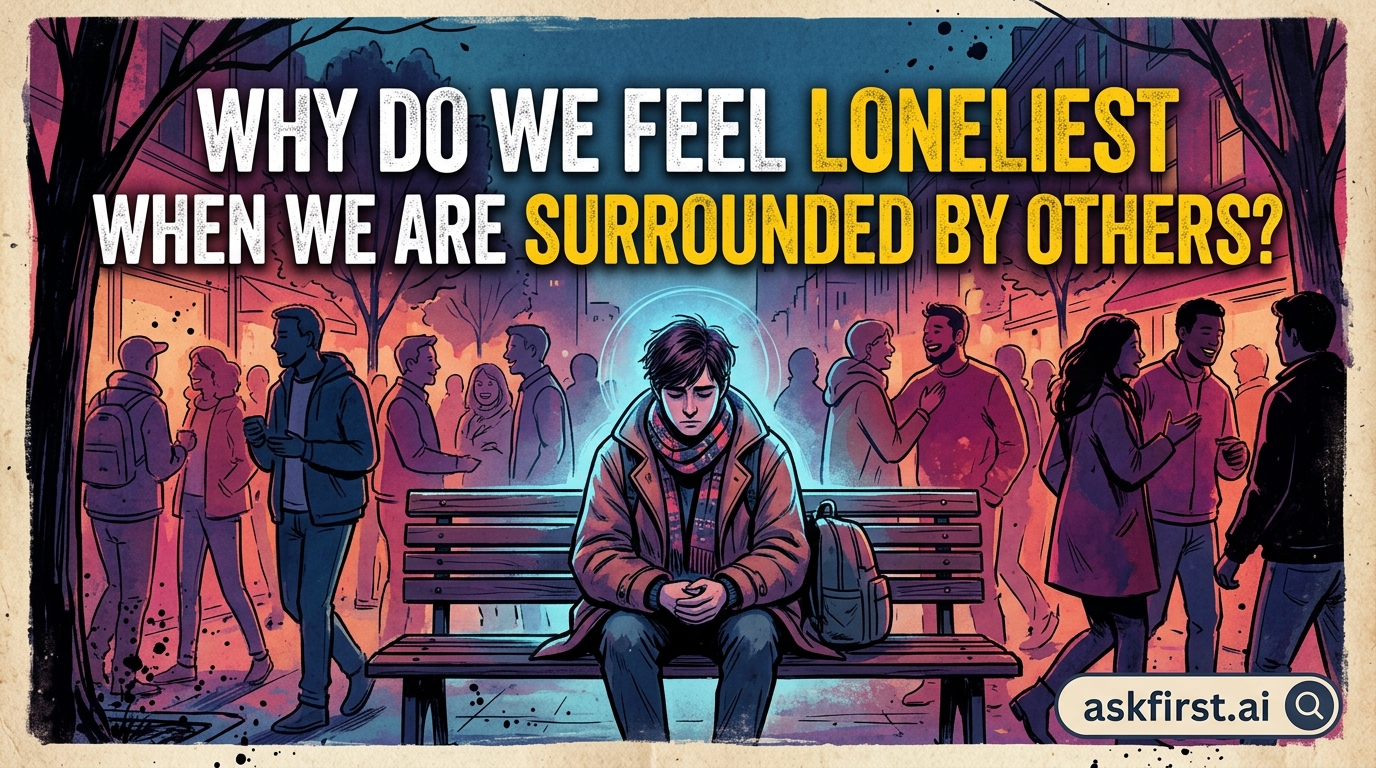
The phenomenon of feeling lonely in a crowded room is a complex psychological state known as perceived social isolation. Unlike objective isolation, which refers to being physically alone, perceived isolation is a subjective emotional assessment of one's social environment. It occurs when a discrepancy exists between the quantity and quality of social relationships one desires and the relationships one currently possesses. When this gap widens in the presence of others, the feeling of loneliness is often magnified.
The Mismatch of Expectation and Reality
One primary driver of this feeling is the social expectations gap. Humans possess an innate evolutionary drive for belonging. When placed in a social setting, individuals often arrive with subconscious expectations for intimacy, understanding, or validation. If these expectations are not met—perhaps because conversations are superficial or the emotional tone is off—the brain highlights the lack of deep connection. Research in social psychology suggests that this cognitive dissonance serves as a biological signal, urging the individual to seek out more meaningful social bonds to ensure survival.
The Role of Social Comparison
In crowded environments, individuals frequently engage in upward social comparison. Seeing others interact with ease or observing groups that appear to be experiencing high-level harmony can lead to a sense of alienation. When one feels like an observer rather than a participant, the environment emphasizes one's perceived inadequacy or exclusion. This is often exacerbated by the performance of social success, where everyone appears to be having a better time than the observer, creating a psychological barrier between the individual and the crowd.
The Neurobiology of Loneliness
Neuroscience provides evidence that loneliness is not just a passing mood but a biological alert system. Studies using fMRI imaging indicate that the brain regions active during social pain—such as the dorsal anterior cingulate cortex—are similar to those activated during physical pain. When someone feels isolated in a group, their brain is essentially registering a 'social threat.' The body reacts with a heightened state of vigilance, making the individual more sensitive to perceived slights or cues of rejection, which can create a self-fulfilling cycle of social withdrawal.
Why Crowds Amplify Individual Identity
Psychologically, the presence of others can actually solidify a sense of individuality. When surrounded by strangers, one might become hyper-aware of their own internal monologue. If that monologue is not currently being mirrored or validated by someone else, the 'self' feels small. This is the identity-contrast effect. The crowd becomes a backdrop against which one measures their own internal emotional landscape. If the crowd is happy and the individual is not, that divergence creates an immediate internal spotlight on their loneliness.
Practical Frameworks for Connection
To bridge the gap between being present in a crowd and feeling connected, several psychological frameworks can be applied:
- Active Engagement: Shifting from a passive observer role to an active initiator. Initiating a simple, genuine interaction can disrupt the cycle of internal rumination.
- Vulnerability Calibration: Recognizing that many others in the room are likely harboring similar anxieties. This universalization can reduce the pressure to perform social perfection.
- Depth over Breadth: Focusing on one meaningful interaction rather than trying to satisfy a broad, impossible requirement for total social immersion.
Conclusion: Redefining Presence
Loneliness is a profound part of the human experience that functions as a compass, pointing toward the need for authentic connection. The feeling of being lonely in a crowd is a powerful reminder that physical presence is not a substitute for emotional resonance. By understanding that this emotion is a biological and psychological reaction to unmet social needs, individuals can stop viewing it as a personal failure. Instead, it can be viewed as an opportunity to seek out environments and people that foster true resonance and understanding. Embracing this awareness helps in transitioning from a state of reactive isolation to proactive, meaningful engagement with the world.