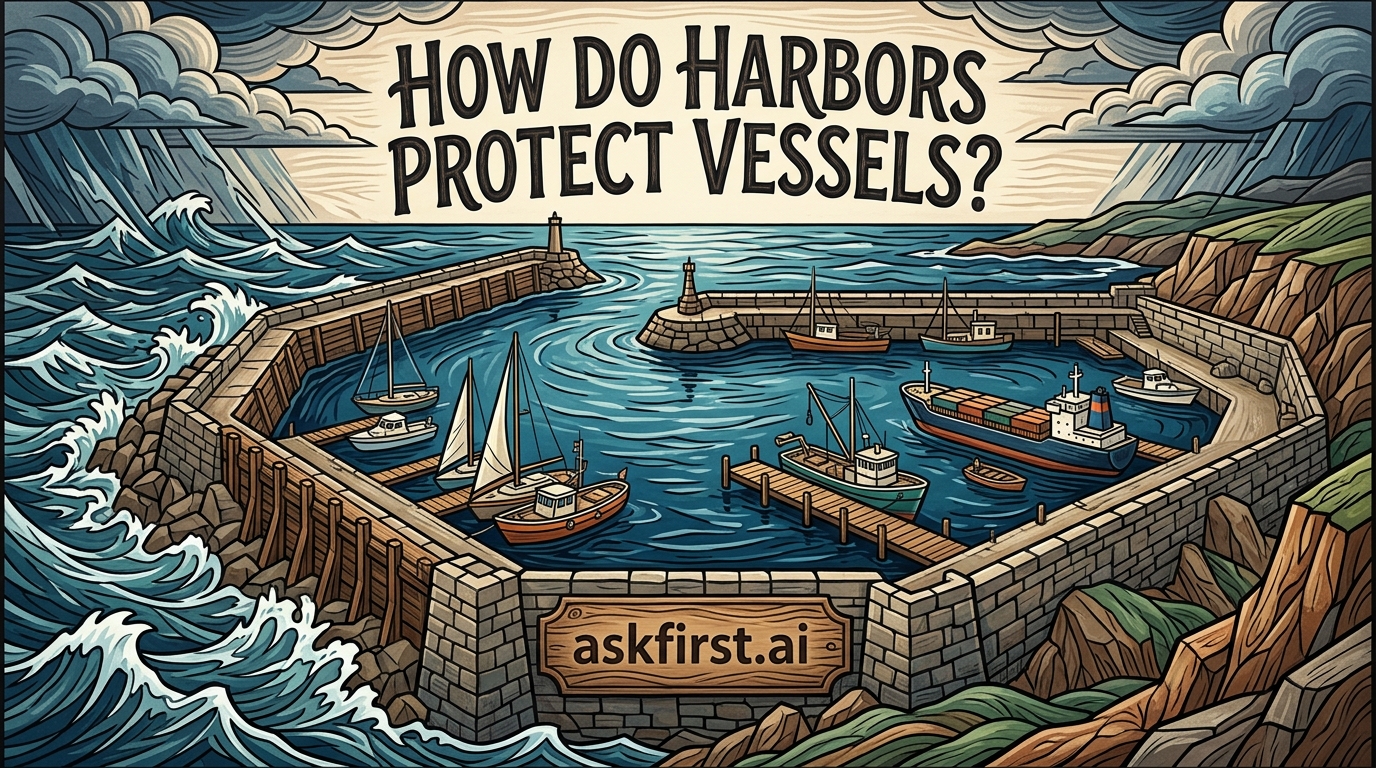
Engineering the Haven: How Harbors Protect Maritime Vessels
Harbors are complex engineering marvels designed to provide a sheltered environment for watercraft, protecting them from the destructive forces of the open ocean. By mitigating the kinetic energy of waves, tides, and currents, harbors ensure the safety of cargo, the integrity of vessel hulls, and the efficiency of maritime commerce.
Core Mechanisms of Protection
The primary objective of any harbor is to create a zone of "still water." This is achieved through several structural and strategic interventions:
1. Breakwaters and Jetties
The most visible protection comes from breakwaters. These massive structures are built offshore to intercept and dissipate wave energy before it reaches the mooring area.
- Rubble-mound breakwaters: Composed of large stones or concrete armor units (such as tetrapods), these dissipate wave energy through the friction and voids between the materials.
- Vertical-wall breakwaters: These reflect wave energy back out to sea, though they require deeper foundations to withstand the immense hydrodynamic pressure.
2. Wave Attenuation and Basin Geometry
The geometry of the harbor entrance is critical. Engineers design narrow or curved entrances to limit the amount of wave energy that can enter the basin. Once inside, the harbor basin is often designed with wide areas that allow waves to "diffract" and lose energy through spreading, effectively calming the water.
3. Dredging and Bathymetry
Harbors must maintain a specific depth to prevent vessels from grounding. Dredging—the removal of sediments and debris from the harbor floor—ensures that even the largest vessels maintain sufficient under-keel clearance, protecting the hull from impact with the seabed during low tide or heavy swells.
Operational and Environmental Safeguards
Beyond physical structures, harbors employ sophisticated operational protocols to protect vessels:
- Pilotage: Expert harbor pilots board incoming vessels to navigate them through complex channels, accounting for local currents and hidden hazards that ship captains might not be familiar with.
- Tugboat Assistance: In confined spaces, tugs provide the necessary force to maneuver large vessels precisely, preventing collisions with piers or other ships.
- Fendering Systems: Piers are equipped with rubber or pneumatic fenders that act as shock absorbers, protecting the hull from damage during berthing and while tied up.
- Vessel Traffic Services (VTS): Similar to air traffic control, VTS uses radar, AIS (Automatic Identification System), and radio communication to monitor and direct ship movements, preventing accidents.
Statistics and Economic Impact
According to the World Bank, over 80% of global trade is carried by sea. The global harbor infrastructure network is vital for economic stability. A failure in harbor protection can lead to billions of dollars in losses due to damaged cargo, delayed supply chains, and vessel repairs.
Future Trends: Resilience and Automation
As climate change leads to rising sea levels and more intense storm surges, harbor design is evolving. Future trends include:
- Adaptive Breakwaters: Structures designed to be adjusted or reinforced in response to rising sea levels.
- Smart Monitoring: IoT-enabled sensors that provide real-time data on wave height, structural stress, and sedimentation levels, allowing for predictive maintenance.
- Autonomous Berthing: AI-driven systems that manage mooring operations, reducing human error and increasing the safety of docking procedures.
By combining massive civil engineering with cutting-edge navigational technology, modern harbors function as the essential interface between the volatile ocean and the stability required for global trade.