The Science Behind Avian Mimicry: Why Parrots Talk
Parrots are renowned throughout the animal kingdom for their extraordinary ability to mimic human speech, mechanical noises, and environmental sounds. While it often appears as a simple parlor trick, the biological and social underpinnings of this behavior are complex, fascinating, and deeply rooted in evolutionary necessity.
The Evolutionary Purpose of Mimicry
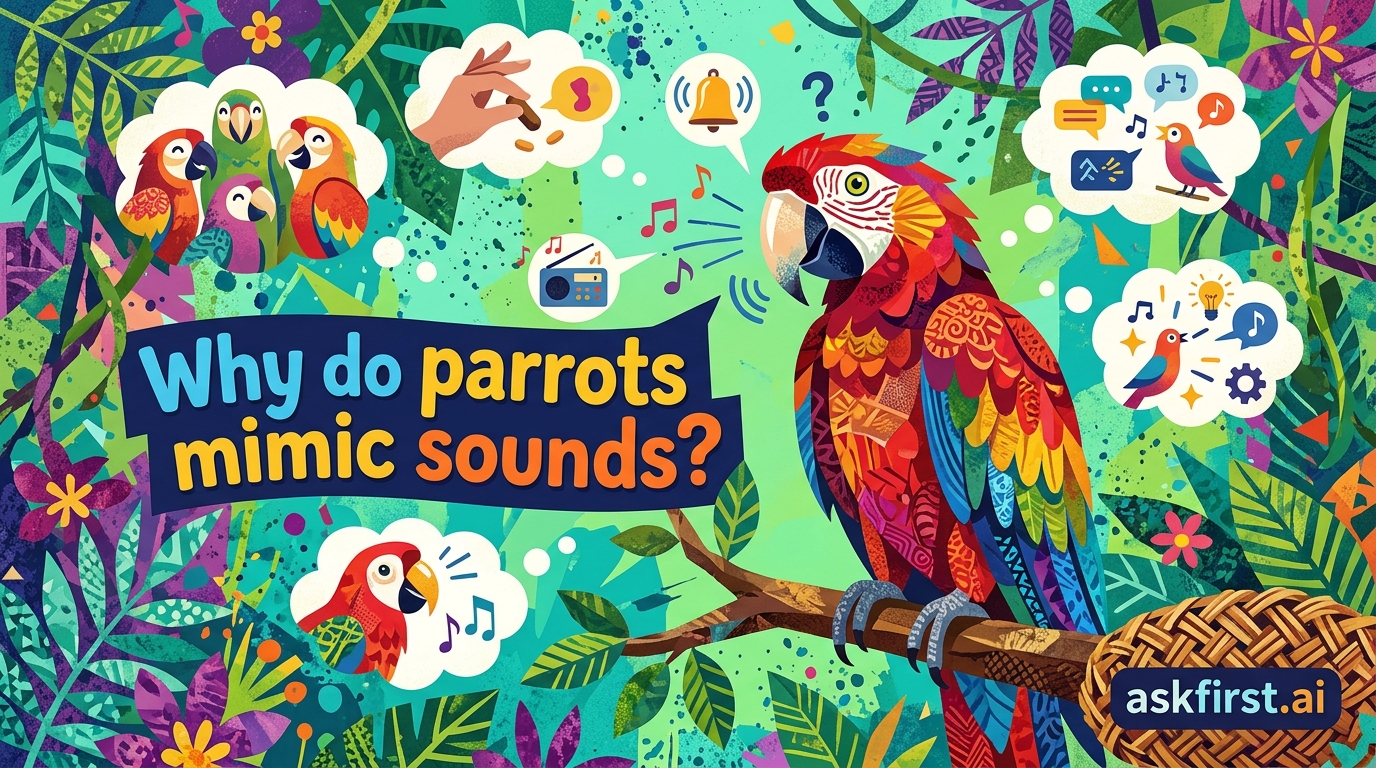
In the wild, parrots are highly social, flock-oriented birds. Mimicry serves as a vital tool for social cohesion. By learning the specific vocalizations of their flock members, parrots can identify individuals, signal danger, and reinforce pair bonds. When kept in captivity, a parrot views its human family as its "flock." Mimicry, therefore, is an attempt to integrate into the human social structure by adopting the sounds that define that group.
Key Drivers of Vocal Learning:
- Social Integration: Parrots use mimicry to build rapport with companions. By echoing the sounds they hear most frequently, they establish a common "language."
- Territorial Signaling: Mimicry can be used to assert dominance or claim territory by broadcasting a perceived "presence" of other birds or predators.
- Mating Displays: Complex vocal repertoires are often indicators of genetic fitness. A male parrot with a wider variety of sounds may be more attractive to potential mates.
The Anatomy of Speech
Unlike humans, who use a larynx to produce sound, parrots utilize a specialized organ called the syrinx, located at the base of the trachea. By manipulating the muscles surrounding the syrinx and using their highly dexterous tongues to shape air, parrots can replicate the nuances of human phonetics, including pitch, cadence, and even emotional inflection.
How to Encourage Healthy Vocalization
If you are training a parrot to mimic, consistency and positive reinforcement are paramount.
- Repetition: Use short, clear phrases. Repeat them during specific activities (e.g., saying "Good morning" when uncovering the cage).
- Positive Association: Reward the bird with a treat or verbal praise immediately after they attempt a sound.
- Environmental Enrichment: A bored parrot is less likely to engage in vocal learning. Provide toys, puzzles, and consistent social interaction to keep their cognitive functions sharp.
Pros and Cons of Mimicry
Pros
- Cognitive Stimulation: Learning sounds keeps the bird's brain active and prevents boredom-related behavioral issues.
- Bonding: It creates an interactive, communicative bridge between human and bird.
Cons
- Noise Pollution: Parrots are indiscriminate learners. They may replicate unpleasant sounds, such as alarms, barking dogs, or swearing, which can be difficult to unlearn.
- Misinterpretation: Owners may mistake mimicry for genuine communication, leading to anthropomorphic misunderstandings of the bird's actual needs.
Future Trends in Research
Current ornithological research is shifting toward understanding the neural pathways of avian vocal learning. Scientists are studying the "song control system" in the parrot brain, which shares surprising similarities with human speech centers. As we decode the genetic markers for vocal learning, we gain deeper insight into the evolution of language itself, positioning the parrot as a primary model for cognitive study in the 21st century.