The Biological Power of Physical Connection
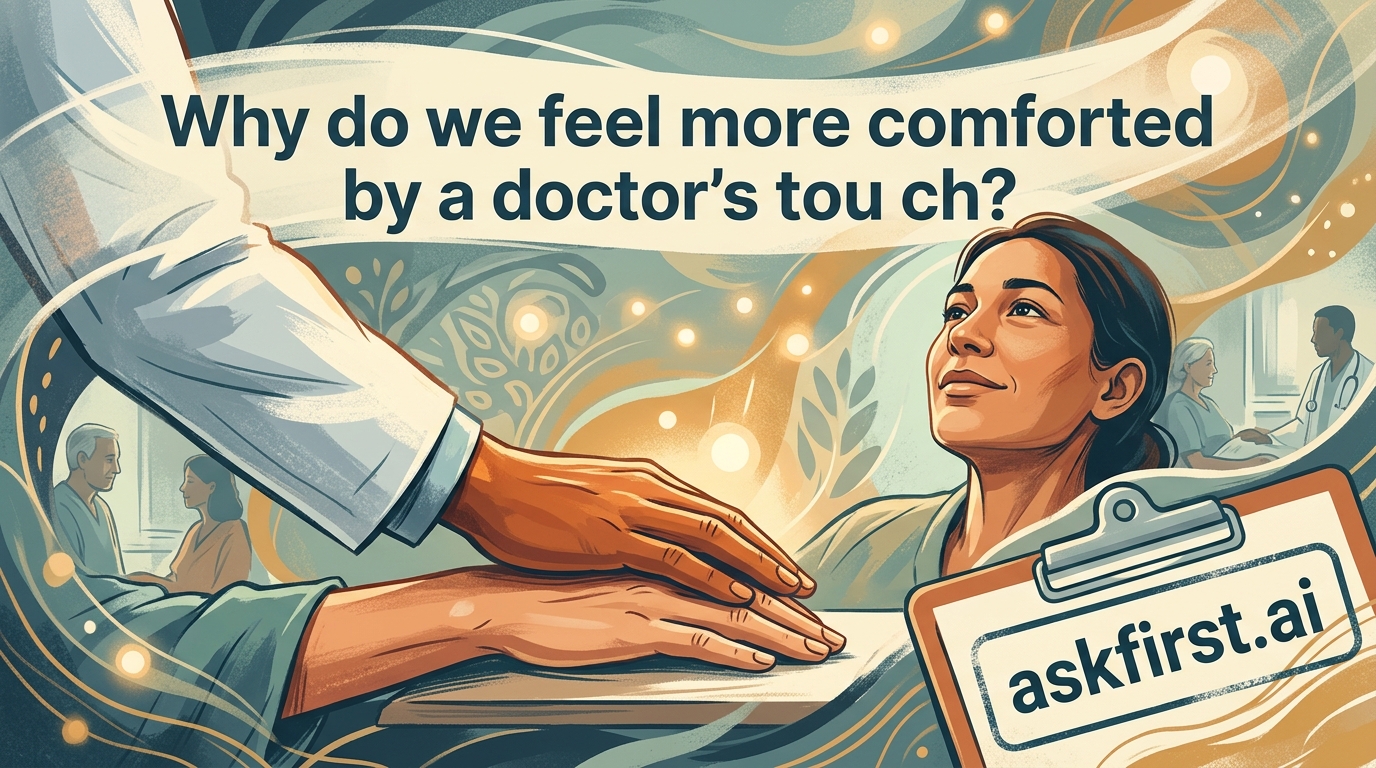
The phenomenon of feeling comforted by a doctor’s touch is rooted in deep-seated neurobiological pathways evolved to facilitate social bonding and stress reduction. While often considered a simple professional gesture, touch serves as a powerful medium for emotional regulation. When a physician places a hand on a patient's shoulder or performs a physical assessment, the brain processes this contact as a signal of safety, which significantly modulates the endocrine system.
The Neurochemistry of Reassurance
At the center of this experience is oxytocin, frequently referred to as the 'bonding hormone.' Physical contact stimulates the release of oxytocin in the brain, which has been shown to:
- Lower cortisol levels: Cortisol is the primary stress hormone; its reduction directly correlates with decreased feelings of anxiety.
- Reduce blood pressure: Physiological stress responses are dampened when humans feel secure in a social or therapeutic context.
- Activate the parasympathetic nervous system: This promotes a 'rest and digest' state, countering the 'fight or flight' response common in stressful clinical environments.
Research indicates that even non-verbal touch can communicate empathy more effectively than words. When a doctor touches a patient appropriately, it fulfills a primal need for connection, validating the patient's experience and fostering trust. This is often referred to as the 'therapeutic touch' effect, where the mere presence of supportive human contact provides an analgesic benefit, effectively dampening the perception of physical pain through the activation of specific afferent nerve fibers.
Why Context Matters
While touch is inherently comforting, its efficacy in a medical setting depends heavily on professional context and patient perception. The brain's interpretation of touch is mediated by the somatosensory cortex, which decodes the intention and warmth behind the interaction. Because patients attribute authority, healing intent, and expertise to doctors, the social construct of the 'medical professional' amplifies the comforting impact of the gesture.
Evolutionary Foundations
From an evolutionary standpoint, touch was the primary method of signaling safety within early human groups. Mothers soothed infants through physical contact to regulate their heart rates and emotional states. This foundational mechanism does not disappear as we age; it remains a dormant, highly sensitive gateway to our nervous systems. When a doctor utilizes touch, they are essentially tapping into a life-long conditioning that equates gentle contact with external support and protection. Therefore, a clinical touch is not merely an accessory to care; it is an active component of the therapeutic process that bridges the gap between scientific diagnosis and human emotional needs.