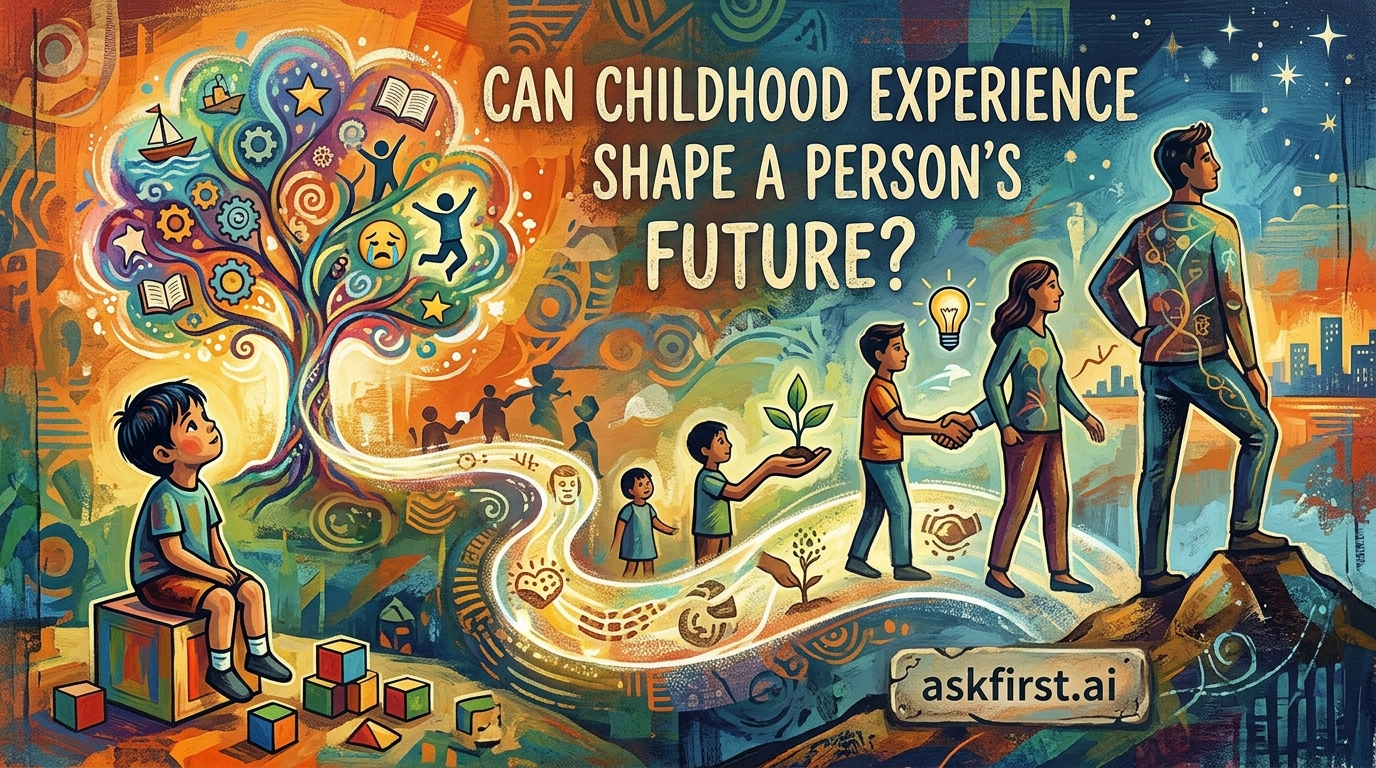
The Lifelong Impact of Childhood Experiences
The consensus among developmental psychologists, neuroscientists, and sociologists is unequivocal: childhood experiences are the fundamental bedrock upon which the architecture of an adult’s personality, cognitive ability, and emotional health is built. Experiences during the formative years—from birth through adolescence—shape neural pathways, influence epigenetic expression, and establish the internal working models that govern how an individual interacts with the world.
1. Neurobiological Development and "Plasticity"
During early childhood, the human brain undergoes rapid development, creating over a million new neural connections every second. This period of neuroplasticity means the brain is highly receptive to environmental input.
- The Stress Response System: Chronic exposure to "toxic stress"—caused by poverty, abuse, or neglect—triggers the prolonged release of cortisol. This can physically alter the amygdala (the brain’s fear center) and the prefrontal cortex (responsible for executive function), potentially leading to lifelong difficulties with impulse control and emotional regulation.
- The Secure Attachment Framework: Conversely, consistent, responsive caregiving fosters secure attachment. This provides a "secure base," allowing children to explore their environment, which promotes higher cognitive functioning and resilience.
2. The ACEs Study: A Statistical Foundation
The Adverse Childhood Experiences (ACEs) study, first conducted by the CDC and Kaiser Permanente in the 1990s, remains the most significant research in this field. The study categorized traumatic events (e.g., parental divorce, substance abuse, physical neglect) and found a direct, dose-response correlation between the number of ACEs and adult outcomes.
- Health Implications: Individuals with high ACE scores are statistically more likely to suffer from chronic diseases, including heart disease, cancer, and autoimmune disorders.
- Psychosocial Outcomes: Higher scores are linked to increased risks of depression, substance abuse, and lower educational attainment.
3. Practical Implications: Breaking the Cycle
While childhood experiences exert a powerful influence, they are not a deterministic "destiny." The concept of neuroplasticity extends into adulthood, allowing for change through intentional effort and intervention.
Steps to Mitigate Negative Early Experiences:
- Therapeutic Intervention: Evidence-based modalities like Cognitive Behavioral Therapy (CBT) or Eye Movement Desensitization and Reprocessing (EMDR) can help reprocess traumatic memories.
- Developing "Learned Optimism": While core attachment styles are established early, they can be modified through healthy adult relationships and "corrective emotional experiences."
- Environmental Enrichment: Adults can actively seek out environments—workplaces, communities, and social circles—that provide the stability and support missing in their early years.
4. Pros, Cons, and Future Trends
- Pros: Early positive experiences provide a "buffer," creating high levels of grit, empathy, and emotional intelligence.
- Cons: The "imprinting" effect of trauma can lead to maladaptive coping mechanisms that are difficult to unlearn without professional support.
- Future Trends: Epigenetics is currently at the forefront of this research, exploring how trauma can be biologically passed down through generations. Future treatments will likely combine pharmacological interventions with personalized psychological therapy to "reset" the biological markers of childhood trauma.
In conclusion, while childhood is the primary architect of the self, it is not the sole determinant. Understanding the impact of one's past is the first, essential step toward reclaiming agency over one's future.