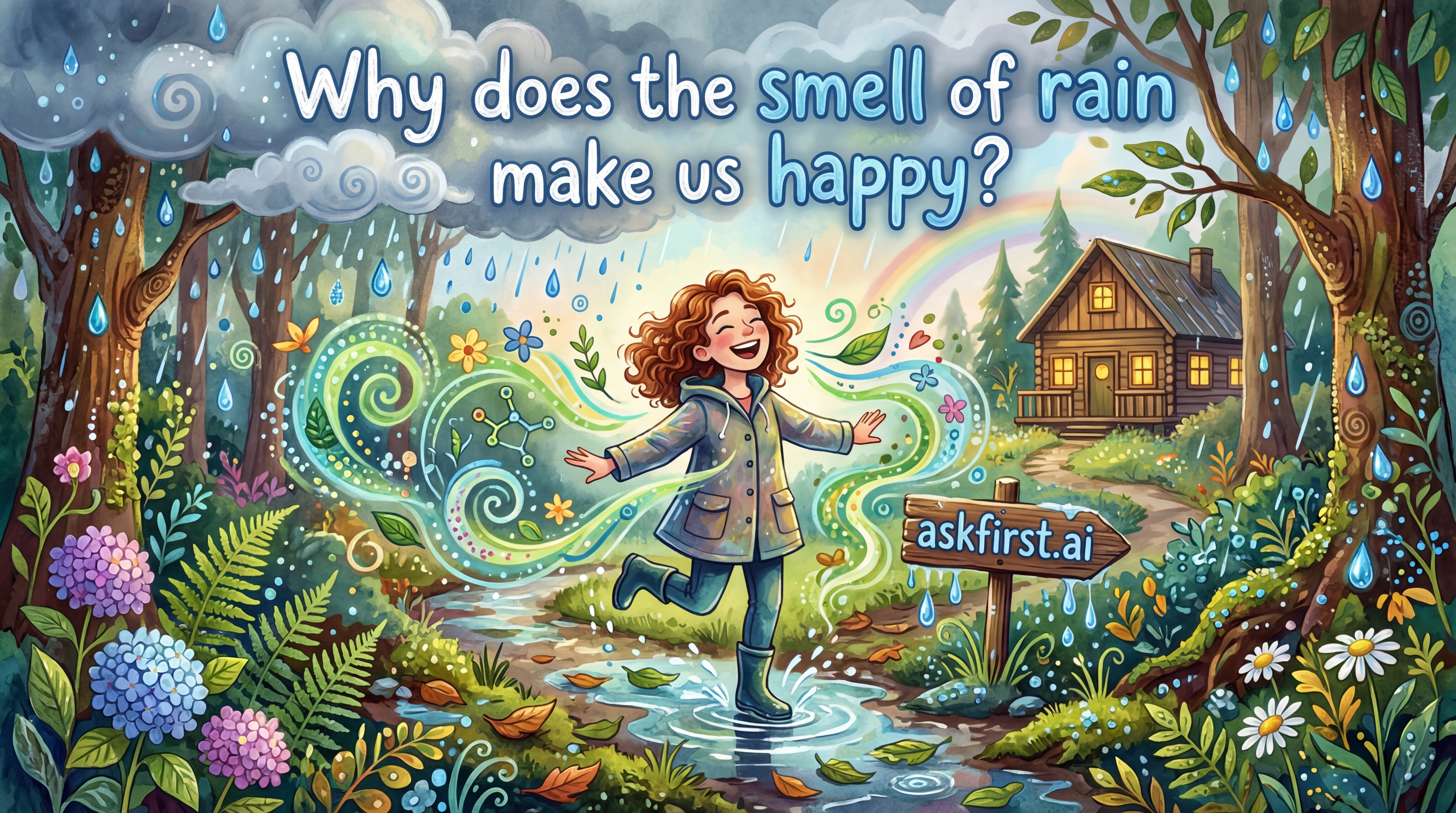
The phenomenon of feeling a sense of joy, relief, or nostalgia when rain begins to fall is rooted in a fascinating intersection of evolutionary biology, organic chemistry, and environmental psychology. While the sensory experience of a rainstorm is often romanticized in literature and art, the underlying mechanisms that trigger this positive physiological response are grounded in our deep-seated connection to the natural world.
The Chemistry of Petrichor: Earth’s Perfume
The primary olfactory component of rain is a substance known as petrichor. Coined by researchers Bear and Thomas in 1964, the term derives from the Greek petra (stone) and ichor (the fluid that flows in the veins of the gods). Petrichor is not a single chemical, but a complex bouquet of volatile organic compounds released when rain strikes dry soil and rocks.
The most prominent contributors to this scent are:
- Geosmin: A metabolic byproduct of certain soil-dwelling bacteria called Streptomyces. Humans are exceptionally sensitive to geosmin; we can detect it at concentrations as low as five parts per trillion. This sensitivity is often compared to a shark’s ability to detect blood in the water.
- Plant Oils: During dry spells, various plants secrete oils that are absorbed by the surrounding soil and rocks. When rain falls, these oils are released back into the air, contributing to the distinct, earthy aroma.
From an evolutionary standpoint, our extreme sensitivity to geosmin suggests that our ancestors relied on the smell of rain to locate water sources. In arid environments, the ability to "smell" a distant storm was a survival advantage, signaling the replenishment of essential resources. Consequently, our brain associates this scent with the promise of life, hydration, and the survival of the local ecosystem.
Evolutionary Psychology and the "Survival" Response
Beyond the chemistry, there is a profound psychological comfort derived from the cessation of drought. For most of human history, our survival was inextricably linked to seasonal weather patterns. A lack of rain meant crop failure, scarcity of game, and the threat of famine. The arrival of rain was, quite literally, a harbinger of life.
This ancestral memory is embedded in our psyche. When we smell rain, we are subconsciously reacting to a signal that the environment is becoming more hospitable. This triggers a release of neurotransmitters associated with well-being, such as dopamine and serotonin. The relief felt during a summer downpour is a biological echo of our ancestors' relief when their survival was secured for another season.
The Role of Atmospheric Ionization
When lightning occurs or when water droplets collide and shatter during a heavy storm, the air undergoes a process of ionization. This creates an abundance of negative ions in the atmosphere. Scientific studies have suggested that exposure to high concentrations of negative ions can have a mood-boosting effect on humans. These ions are thought to increase the flow of oxygen to the brain, resulting in higher alertness, decreased drowsiness, and more mental energy.
Many people report feeling "cleansed" or "refreshed" after a storm, and this is not merely anecdotal. The combination of the physical cooling of the air, the reduction in airborne particulates (as rain "washes" the atmosphere), and the influx of negative ions creates a physiological environment that is objectively more comfortable for the human body.
Nostalgia and the "Cozy" Factor
Finally, we must account for the cultural and personal associations we form with rain. For many, rain is synonymous with "coziness." It dictates a shift in human behavior: we move indoors, seek shelter, and engage in slower, more contemplative activities. This forced pause in the frantic pace of modern life provides a natural permission slip to rest, read, or spend time with loved ones.
The sound of rain—a rhythmic, consistent white noise—is also known to lower heart rates and induce a meditative state. This auditory backdrop, combined with the scent of petrichor, creates a multi-sensory experience that is deeply soothing. We have been conditioned to associate the sound of rain against a windowpane with safety, security, and warmth. When these sensory inputs align, the brain enters a state of relaxation, effectively lowering cortisol levels and fostering a sense of contentment.
Conclusion
The happiness we feel when it rains is a sophisticated blend of ancient biological drives and contemporary environmental conditioning. We are hardwired to recognize the scent of geosmin as a precursor to life-sustaining water, we are physically affected by the atmospheric changes brought on by storms, and we have culturally integrated the "rainy day" as a period of necessary respite. When the clouds darken and the first drops hit the pavement, our brains are not just processing a weather event; they are participating in a timeless, multisensory celebration of survival and renewal.