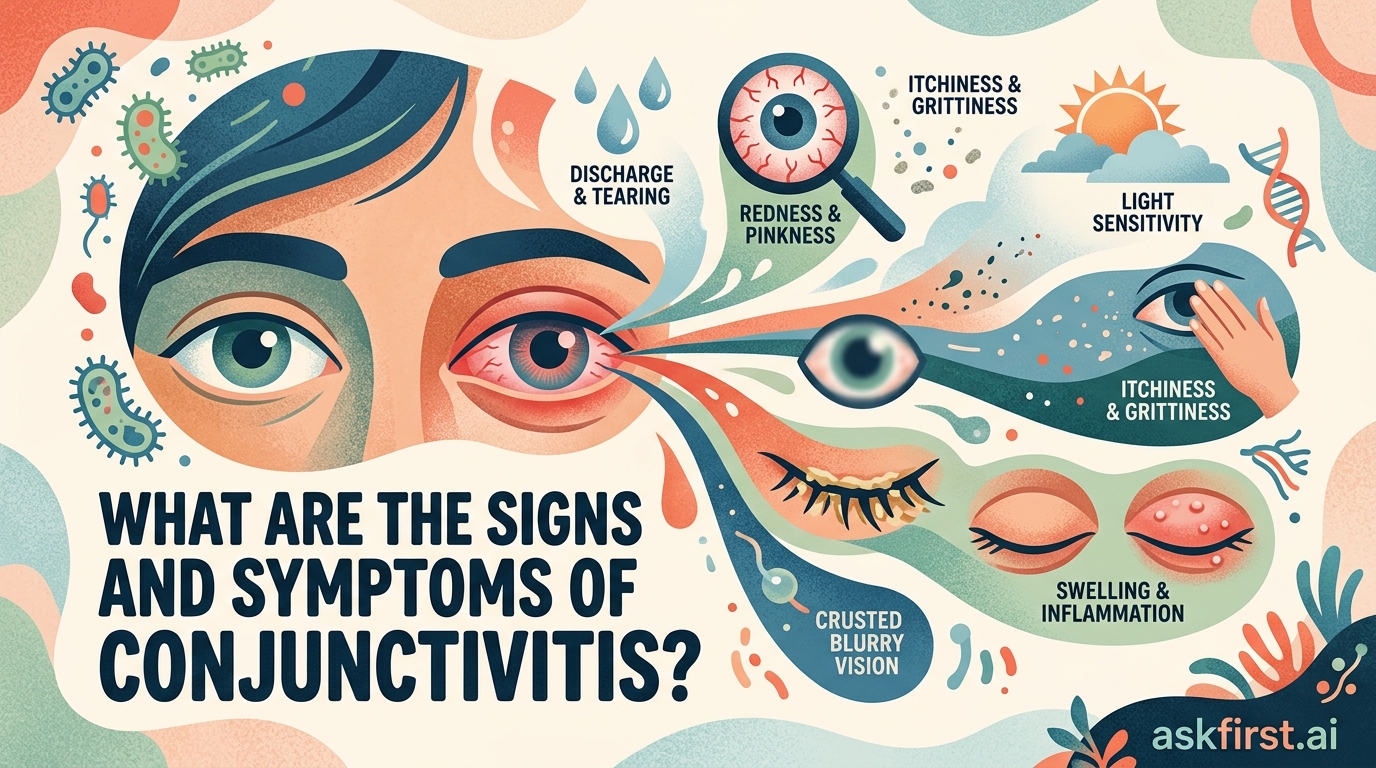
Conjunctivitis, colloquially known as "pink eye," is a common inflammatory condition of the conjunctiva—the thin, transparent membrane that lines the inner surface of the eyelids and covers the white part of the eye (the sclera). While often benign, the condition can be caused by viral, bacterial, or allergic triggers, each presenting with distinct clinical nuances. Recognizing these signs early is essential for preventing the spread of infection and ensuring appropriate medical management.
The Hallmark Symptom: Hyperemia
The most universal sign of conjunctivitis is conjunctival hyperemia, or redness. This occurs because the infection or irritation causes the small blood vessels in the conjunctiva to dilate, making them much more visible than usual. In many cases, the eye appears bright red or pink, often starting in one eye before spreading to the other. According to The Wills Eye Manual: Office and Emergency Room Diagnosis and Treatment of Eye Disease, redness is the primary indicator that clinicians look for during a slit-lamp examination to differentiate conjunctivitis from more severe ocular conditions like uveitis or keratitis.
Categorizing Symptoms by Etiology
To understand the specific symptoms, one must look at the underlying cause, as the nature of the discharge and the patient's sensory experience vary significantly:
1. Viral Conjunctivitis
Viral infections, most commonly caused by adenoviruses, are the most frequent cause of "pink eye." Patients typically report a watery discharge that is clear and thin. The sensation is often described as having a "gritty" or "sandy" feeling in the eye. Other symptoms include:
- Photophobia: Increased sensitivity to light.
- Preauricular lymphadenopathy: A swollen, tender lymph node located in front of the ear, which is a classic sign of viral etiology mentioned extensively in Ocular Pathology by Myron Yanoff and Joseph Sassani.
- Eyelid edema: Moderate swelling of the eyelids.
2. Bacterial Conjunctivitis
Bacterial infections, often caused by Staphylococcus aureus, Streptococcus pneumoniae, or Haemophilus influenzae, present with a more aggressive clinical picture. The primary differentiator here is the mucopurulent discharge. This discharge is thick, yellowish, or greenish and tends to accumulate in the corners of the eye.
- Matting of the eyelids: Upon waking, patients often find their eyelids "glued" shut by dried crusty secretions.
- Irritation: A constant feeling of pressure or irritation, though usually less painful than a corneal ulcer.
3. Allergic Conjunctivitis
Unlike infectious forms, allergic conjunctivitis is characterized primarily by intense pruritus (itching). If a patient is rubbing their eyes vigorously, it is a hallmark indicator of an allergic reaction.
- Chemosis: The conjunctiva may appear swollen and jelly-like, a condition known as chemosis.
- Bilateral involvement: Allergies almost always affect both eyes simultaneously, whereas viral or bacterial infections may start in one and migrate to the other.
- Associated symptoms: Often accompanied by sneezing, nasal congestion, and clear rhinorrhea, as noted in the AAO (American Academy of Ophthalmology) Basic and Clinical Science Course.
Secondary Clinical Signs
Beyond the primary symptoms of redness and discharge, clinicians observe several secondary signs that aid in diagnosis. Follicles—small, clear, bump-like elevations—are typically indicative of a viral or toxic reaction. Conversely, papillae—small, red, velvet-like elevations with a central vessel—are more commonly associated with bacterial or allergic responses.
Furthermore, patients may experience blurred vision. It is important to note that this is usually temporary and caused by the discharge coating the cornea. If the vision remains blurred after the patient blinks or clears the discharge, it suggests the involvement of the cornea (keratitis), which requires immediate professional intervention.
When to Seek Professional Care
While mild cases of viral conjunctivitis may be self-limiting, specific "red flag" symptoms necessitate an urgent visit to an optometrist or ophthalmologist. These include:
- Severe eye pain: Suggests the inflammation has moved beyond the conjunctiva.
- Significant light sensitivity: Indicates potential corneal involvement.
- Reduced visual acuity: Any persistent decrease in vision is a clinical emergency.
- Immunocompromised status: Patients with underlying health issues or those who wear contact lenses should seek prompt treatment, as contact lens wearers are at a higher risk for sight-threatening bacterial keratitis.
Conclusion
Conjunctivitis is a multifaceted condition that serves as a primary example of how the eye reacts to environmental and biological stressors. By paying close attention to the characteristics of the discharge, the presence of systemic symptoms like itching or lymph node swelling, and the duration of the irritation, one can gain a clearer understanding of the underlying cause. As emphasized in standard texts like Clinical Ophthalmology: A Systematic Approach by Jack J. Kanski, accurate identification of these signs is the cornerstone of effective treatment, helping to alleviate discomfort and prevent the secondary transmission of infectious agents. If symptoms persist beyond a few days or worsen, consulting a medical professional remains the gold standard for maintaining ocular health.