Understanding First-Trimester Pregnancy Loss: Causes and Clinical Perspectives
A miscarriage, medically termed a spontaneous abortion, is the loss of a pregnancy before the 20th week of gestation. The vast majority of these losses—approximately 80%—occur within the first trimester, specifically during the first 12 to 13 weeks. For many expectant parents, the emotional toll is profound, often compounded by a lack of clarity regarding why the pregnancy ceased to develop. However, from a clinical and biological standpoint, most first-trimester miscarriages are not the result of anything the parent did or did not do, but rather a complex interplay of genetic, physiological, and environmental factors.
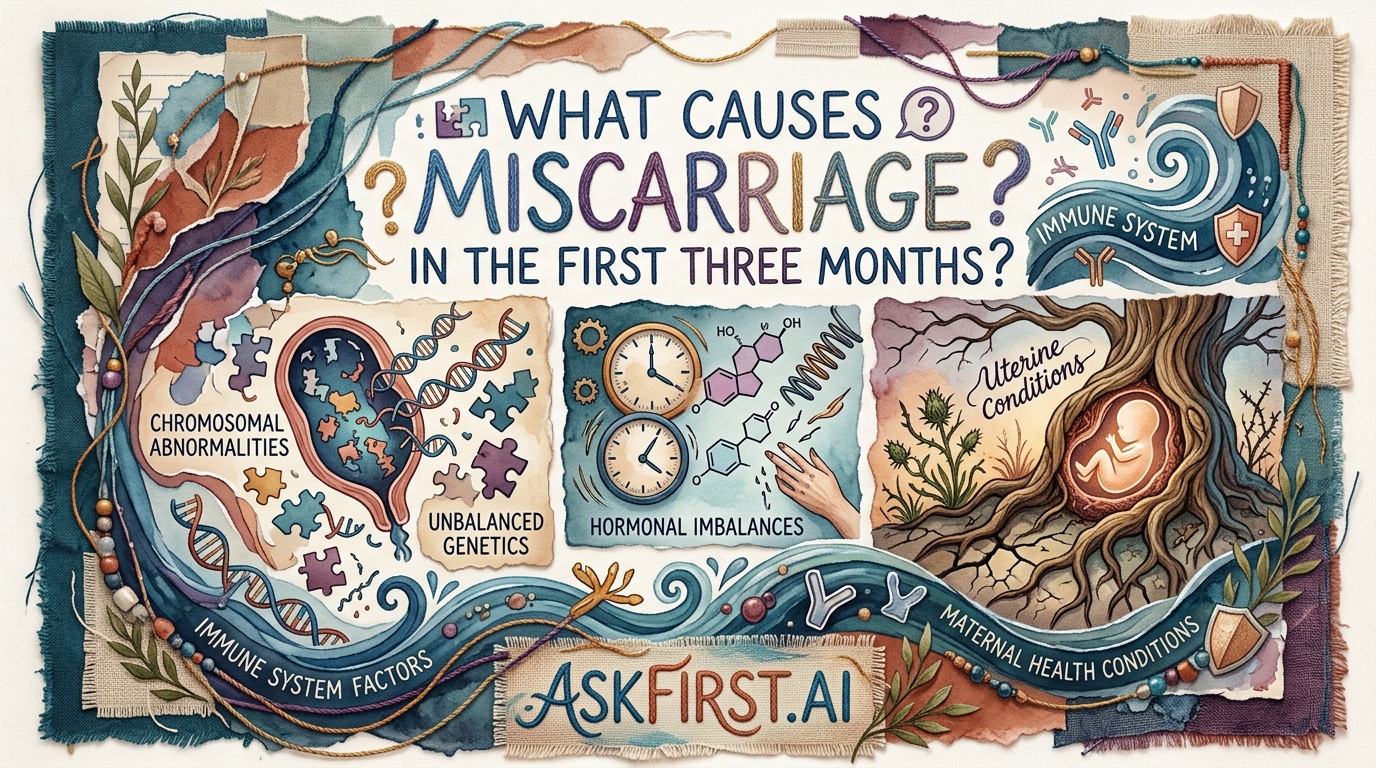
1. Chromosomal Abnormalities: The Leading Driver
The most frequent cause of first-trimester miscarriage, accounting for over 50% of cases, is chromosomal abnormalities within the developing embryo. During the process of fertilization and subsequent cell division, errors can occur in the pairing or segregation of chromosomes.
According to Dr. Mary Stephenson, Director of the University of Illinois at Chicago’s Recurrent Pregnancy Loss Program, these are typically "random events" rather than inherited traits. When an embryo has an abnormal number of chromosomes—a condition known as aneuploidy—the biological blueprint is incomplete or flawed. The most common form is trisomy, where there is an extra chromosome. In many instances, the body identifies that the embryo cannot develop into a viable fetus, and the pregnancy naturally terminates. This is nature’s way of ensuring that only genetically viable pregnancies proceed, preventing the birth of infants with severe or incompatible-with-life chromosomal disorders.
2. Endocrine and Hormonal Imbalances
The delicate hormonal environment required to sustain early pregnancy is orchestrated primarily by the corpus luteum, which produces progesterone until the placenta takes over. If the body fails to produce sufficient progesterone, the lining of the uterus (the endometrium) may not remain thick or stable enough to support the implantation and growth of the embryo.
Conditions such as Luteal Phase Defect (LPD) or poorly controlled thyroid disorders (hypothyroidism or hyperthyroidism) can disrupt this stability. As noted in Williams Obstetrics (26th Edition), uncontrolled diabetes mellitus is also a significant risk factor; high blood sugar levels in the early weeks of gestation can interfere with the development of the embryo’s organs, leading to early pregnancy loss. Managing these metabolic conditions is a cornerstone of preconception care to mitigate avoidable risks.
3. Anatomical and Structural Factors
The physical environment of the uterus must be optimal for an embryo to attach and thrive. Structural anomalies, whether congenital or acquired, can cause complications.
- Uterine Septum: This is a congenital condition where a wall of tissue divides the uterus. It is frequently associated with recurrent pregnancy loss because the septum lacks the adequate blood supply needed for a placenta to attach successfully.
- Fibroids and Polyps: While many individuals carry fibroids without issue, submucosal fibroids—those that bulge into the uterine cavity—can distort the space, physically impeding the embryo’s ability to implant or grow.
In her textbook Reproductive Endocrinology and Infertility, Dr. Marcelle Cedars emphasizes that while these structural issues are significant, they are often treatable through surgical interventions such as hysteroscopic resection, which can significantly improve outcomes for subsequent pregnancies.
4. Immunological and Clotting Disorders
The immune system's role in pregnancy is paradoxical; it must remain tolerant enough not to attack the "foreign" tissue of the fetus while remaining robust enough to protect the host. In some cases, the body’s immune system triggers an inflammatory response that is detrimental to the pregnancy.
Antiphospholipid Syndrome (APS) is a well-documented autoimmune disorder that increases the risk of blood clots. When these micro-clots form in the placenta, they cut off the vital supply of nutrients and oxygen to the embryo. The use of low-dose aspirin and heparin is a standard clinical intervention for patients diagnosed with APS to improve the success rate of future pregnancies.
5. Lifestyle, Environmental, and Unavoidable Factors
While we often seek external causes, it is vital to distinguish between myth and reality. Common activities such as exercise, lifting objects, or working (unless exposed to toxic chemicals) do not cause miscarriages. However, certain lifestyle factors have a proven negative impact:
- Advanced Maternal Age: The quality of oocytes (eggs) declines with age, increasing the likelihood of chromosomal errors.
- Substance Use: Heavy smoking, excessive alcohol consumption, and the use of illicit drugs are strongly linked to higher rates of miscarriage due to their toxic effects on fetal development and vascular health.
- Infections: Certain infections, such as Listeria or high-fever-inducing illnesses, can compromise the pregnancy.
Conclusion
The experience of a first-trimester miscarriage is often a solitary and grieving process, yet it is a common biological phenomenon. Understanding that the majority of these losses are the result of genetic "copying errors" or complex biological hurdles—rather than parental actions—is a crucial step in the healing process. While modern medicine offers diagnostic tools to identify structural or endocrine causes, it is important to recognize that in many cases, a specific "why" remains elusive. For those who experience recurrent losses, consulting with a reproductive endocrinologist for a thorough evaluation is the recommended path forward, as many of the underlying causes, such as endocrine or anatomical issues, can be effectively managed to support a future healthy pregnancy.