The Power of Expectation: Understanding the Placebo Effect
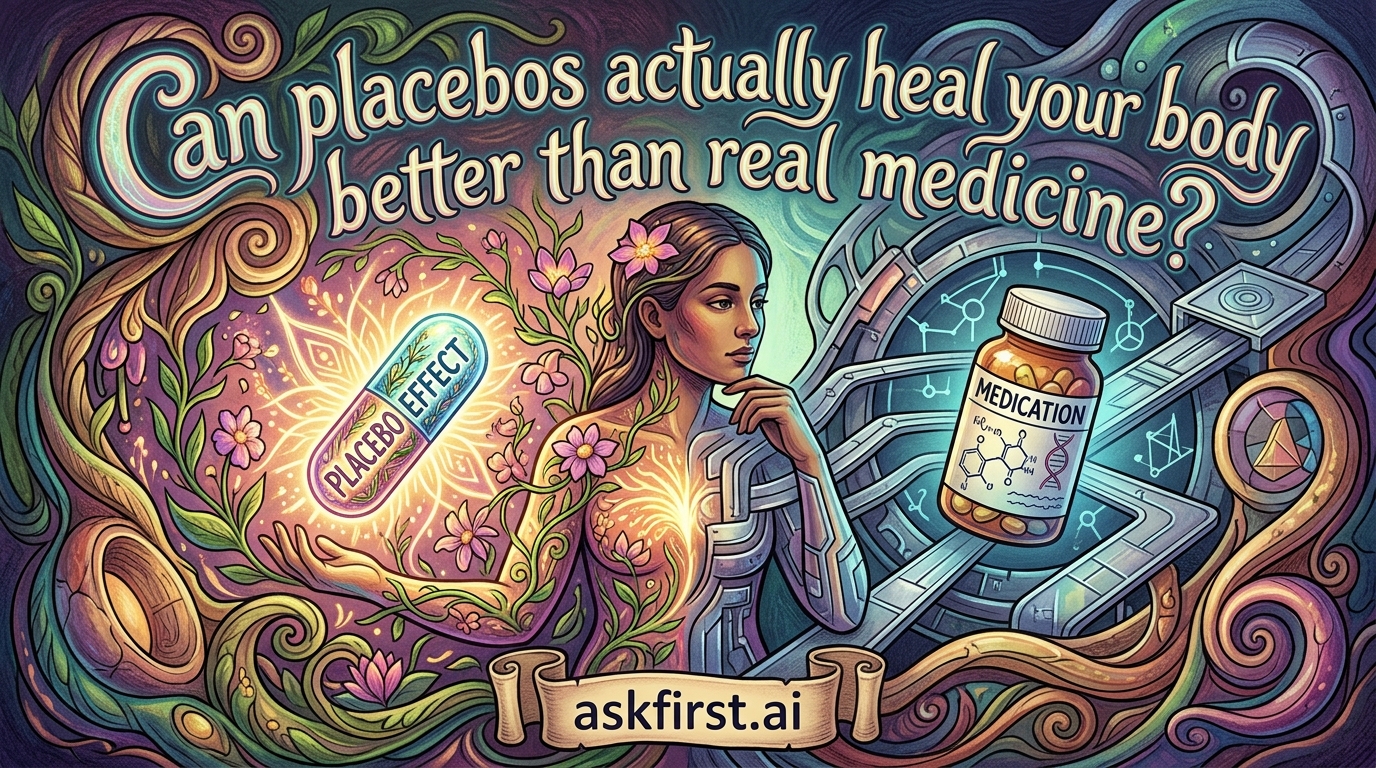
The phenomenon known as the placebo effect is one of the most intriguing and misunderstood aspects of medical science. It suggests that the simple act of receiving treatment, even if that treatment is medically inert, can induce physiological changes that lead to genuine improvements in health. While it is inaccurate to claim that a sugar pill can cure all ailments better than proven pharmacological interventions, the capacity for the human mind to influence physical recovery is profound.
The Mechanism Behind the Myth
At its core, the placebo effect is not about a "fake" cure, but rather a complex neurobiological response. When a patient believes they are receiving effective care, the brain begins to release its own internal pharmacy of substances. These include endorphins, which are natural painkillers, and dopamine, which is associated with reward and motivation. Studies have shown that when patients are given a placebo for pain, brain imaging reveals a decrease in activity in the pain-processing regions of the central nervous system. This is a real, measurable physical change, not a mere figment of the imagination.
Where Placebos Shine: Subjective vs. Objective Measures
The effectiveness of the placebo effect is highly dependent on the condition being treated. It is most potent when the ailment involves subjective symptoms, such as pain, nausea, fatigue, or mood disturbances.
- Pain Management: Numerous studies confirm that placebo treatments can significantly alleviate pain scores in chronic sufferers. This does not mean the underlying structural injury has vanished, but the perception and emotional toll of the pain are mitigated.
- Mental Health: In the treatment of depression and anxiety, the "expectancy effect" plays a massive role. The act of entering a clinical trial or seeing a doctor provides hope, which in itself can act as a catalyst for cognitive and emotional shifts.
- Physical Healing: Conversely, the placebo effect is rarely capable of curing infectious diseases, reversing cellular mutations like cancer, or fixing broken bones. Science remains firm: for objective pathologies, rigorous pharmaceutical medicine is essential. Placebos influence the experience of illness far more than they influence the biological progression of systemic disease.
The Ritual of Healing
The effectiveness of a placebo is often tied to the contextual ritual of medicine. Research has demonstrated that several factors influence the magnitude of the placebo response:
- The White Coat Effect: The authority and perceived competence of the healthcare provider enhance the therapeutic outcome. A warm, empathetic doctor significantly boosts the efficacy of a treatment compared to a distant one.
- Invasive Perception: Ironically, the more invasive the placebo, the stronger the effect. Placebo injections have been found to be more effective than placebo pills, while placebo surgeries (where surgeons perform a sham procedure) have shown startling results in reducing joint pain.
- Brand and Price: Studies indicate that patients believe more expensive medication is more effective than generic alternatives, and this belief often translates into better reported outcomes, even if the drugs are identical.
The Ethical Dilemma
In modern medicine, the use of placebo "tricks" raises significant ethical questions. Providing a patient with a placebo without their knowledge constitutes a violation of informed consent. However, researchers are exploring the concept of open-label placebos. These are cases where patients are told exactly what they are receiving: an inert substance. Surprisingly, some studies have found that even when patients know they are taking a placebo, the ritual of the action still produces measurable relief. This suggests that the body is capable of a conditioned response to the medical setting, independent of deception.
Conclusion: A Collaborative Approach
The placebo effect does not replace the need for real medicine, but it highlights the vital role of the patient-physician partnership. Instead of seeing the placebo effect as an error or a nuisance in clinical trials, modern science is beginning to view it as a powerful, underutilized resource. By fostering trust, empathy, and positive expectations, medical professionals can harness the power of the human brain to complement conventional treatments. Ultimately, the best medical outcomes occur when the precision of pharmacology is combined with the powerful, natural healing potential of a positive, expectant mind.