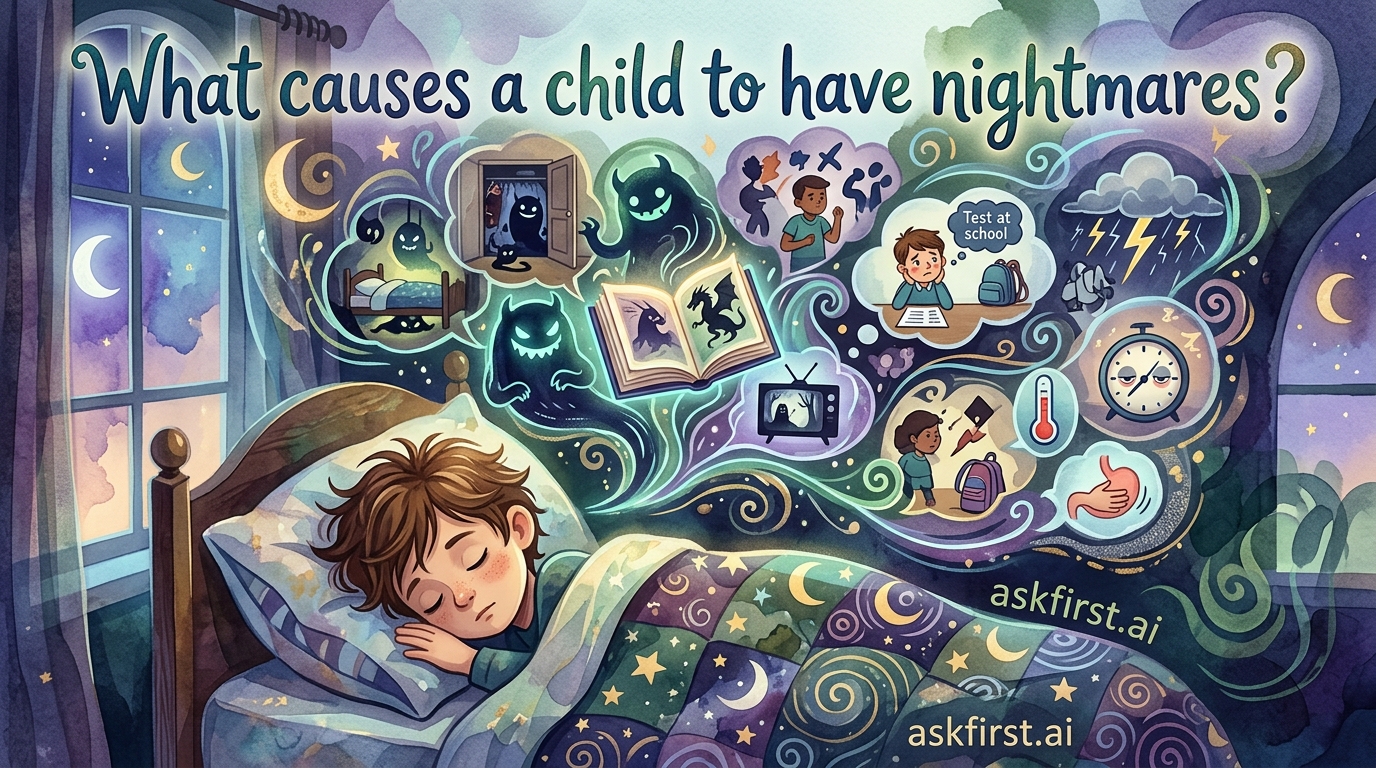
Nightmares are vivid, disturbing dreams that typically occur during the Rapid Eye Movement (REM) stage of sleep, causing the sleeper to wake up feeling frightened, anxious, or distressed. While they are a normal part of childhood development, their frequency and intensity can vary significantly based on psychological, physiological, and environmental factors. Understanding the root causes of these nocturnal disturbances requires a multifaceted look at how a child’s brain processes the world around them.
The Developmental Perspective: Cognitive Growth and Imagination
One of the primary drivers of nightmares in children between the ages of three and six is the rapid development of the imagination. As noted by Dr. Harvey Karp in his seminal work, The Happiest Toddler on the Block, children in this developmental stage struggle to differentiate between fantasy and reality. Because their cognitive landscape is populated by monsters, superheroes, and magical creatures, these abstract concepts can easily bleed into their dream states.
When a child reaches school age, their nightmares often shift from purely fantastical fears to more grounded anxieties. This is a reflection of their expanding awareness of the world. As they encounter complex social dynamics, academic pressures, and global stressors, their subconscious mind attempts to "rehearse" or process these scenarios through dreams. It is not necessarily a sign of pathology, but rather a sign of a brain that is working overtime to categorize the incoming data of daily life.
Psychological Stressors and Emotional Regulation
Emotional health is perhaps the most significant predictor of nightmare frequency. Children are highly sensitive to their environment, and any disruption in their "emotional baseline" can manifest during sleep. Common psychological triggers include:
- Major Life Transitions: Moving to a new house, starting a new school, or the birth of a sibling can create a sense of instability.
- Family Conflict: Chronic tension, divorce, or separation anxiety often surfaces in dreams where the child feels a loss of control.
- Traumatic Events: According to the American Academy of Pediatrics (AAP), children who have experienced acute trauma—such as natural disasters, accidents, or abuse—often suffer from post-traumatic stress nightmares. These are often repetitive and serve as the brain's attempt to process the trauma, a phenomenon extensively documented by Dr. Bessel van der Kolk in The Body Keeps the Score.
The Role of Media and Sensory Overload
In the modern era, the "digital diet" of a child plays a critical role in their sleep hygiene. Exposure to scary movies, violent video games, or even distressing news stories can leave a lasting imprint on a child’s psyche. Unlike adults, children often lack the emotional armor to compartmentalize disturbing visual imagery.
If a child watches an intense program shortly before bedtime, their nervous system remains in a state of hyper-arousal. This prevents the brain from transitioning smoothly into the deeper, restorative stages of sleep. Experts at the Mayo Clinic suggest that screens should be turned off at least one hour before bed, as the blue light suppresses melatonin production and the content can provide the "raw material" for the night’s nightmares.
Physiological Factors and Sleep Hygiene
Sometimes, the cause of a nightmare is purely physiological. Sleep deprivation is a paradox: when a child is chronically overtired, their body often skips the lighter stages of sleep and plunges directly into intense REM cycles. This can lead to a higher frequency of nightmares.
Furthermore, physical discomfort can interrupt the sleep architecture. A child suffering from an illness, a high fever, or even the discomfort of a room that is too hot or too cold is more likely to experience fragmented sleep. When sleep is fragmented, the brain is more prone to waking up during a REM cycle, which makes the child more likely to remember a frightening dream. Medications—particularly those affecting the central nervous system—can also have side effects that include vivid, disruptive dreams.
Distinguishing Nightmares from Night Terrors
It is vital for parents and caregivers to distinguish between nightmares and night terrors, as the causes and the appropriate responses differ significantly. As outlined in Solve Your Child's Sleep Problems by Dr. Richard Ferber, a night terror occurs during non-REM sleep (usually early in the night). The child may scream or thrash but remains in a semi-conscious state and generally has no memory of the event the next morning. Nightmares, conversely, happen later in the night and the child is usually fully awake and able to recount the specific, scary details of the dream.
Conclusion
Nightmares in children are rarely a cause for long-term alarm. They are a natural byproduct of a developing brain that is learning to process complex emotions, navigate a changing environment, and store vast amounts of information. By focusing on consistent sleep hygiene, minimizing exposure to frightening media, and providing a safe, open space for children to discuss their fears during the day, parents can help mitigate the frequency of these episodes. However, if nightmares become chronic, interfere with daytime functioning, or seem linked to a specific, unaddressed trauma, consulting with a pediatrician or a child psychologist is the most prudent course of action to ensure the child’s emotional well-being.