The Science and Practicality of One Meal a Day (OMAD)
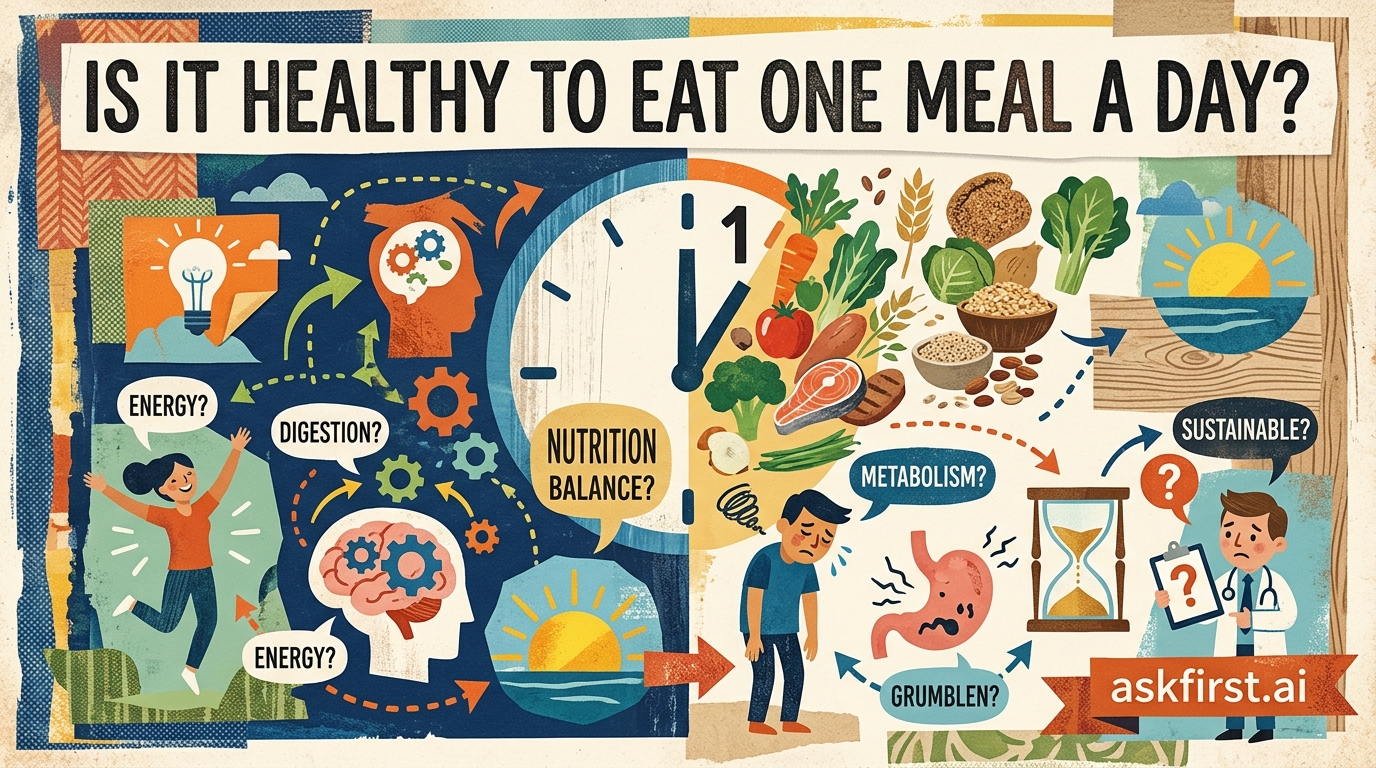
The practice of eating only one meal a day, widely known in modern wellness circles as the "OMAD" diet, is a form of extreme intermittent fasting. While proponents often laud it for its simplicity and metabolic benefits, the physiological implications of restricting caloric intake to a single window are complex. Whether this approach is "healthy" depends entirely on the individual’s metabolic status, nutritional literacy, and long-term goals.
Metabolic Mechanisms and Autophagy
At the core of the OMAD philosophy is the concept of metabolic flexibility. By consuming all daily nutrients within a single one-hour window, the body remains in a fasted state for approximately 23 hours. According to Dr. Satchin Panda, a professor at the Salk Institute and author of The Circadian Code, our bodies are governed by internal clocks that dictate when we should process food. When we eat within a restricted window, we allow the body to shift from glucose metabolism to fat oxidation.
A significant biological benefit frequently cited in literature—such as the research conducted by Dr. Yoshinori Ohsumi, who won the Nobel Prize in Physiology or Medicine in 2016 for his work on autophagy—is that prolonged fasting triggers cellular "housekeeping." Autophagy is the process by which cells degrade and recycle damaged proteins and organelles. By fasting for 23 hours, the body is theoretically encouraged to clear out cellular debris, which may offer neuroprotective benefits and reduce markers of systemic inflammation.
Nutritional Challenges and Deficiencies
Despite the potential metabolic advantages, the primary danger of OMAD is the difficulty of meeting daily micronutrient requirements in a single sitting. To maintain health, an adult requires a specific balance of essential amino acids, fatty acids, vitamins, and minerals.
When you consume only one meal, your stomach volume becomes a limiting factor. If that meal consists of calorie-dense but nutrient-poor foods, you risk malnutrition. For example, a person might reach their caloric needs through refined carbohydrates but fail to ingest sufficient iron, B12, calcium, or magnesium. Dr. Jason Fung, a nephrologist and author of The Obesity Code, emphasizes that while fasting is a powerful tool for insulin regulation, the "refeeding" phase must be nutrient-dense. Relying on processed foods during an OMAD regimen can lead to muscle wasting, electrolyte imbalances, and fatigue.
Psychological Considerations and Eating Disorders
It is vital to address the behavioral aspect of restrictive eating. For individuals with a history of disordered eating, the OMAD protocol can be psychologically triggering. The rigidity of "only one meal" can foster an obsessive relationship with food, leading to binge-eating behaviors during the designated feeding window.
Clinical psychologists often note that restrictive dieting can increase cortisol levels in some individuals. If the body perceives the 23-hour fast as a state of starvation, it may downregulate thyroid function and increase stress hormones, which can paradoxically make fat loss more difficult and impair sleep quality. Before adopting such a protocol, one must ensure they are not using "fasting" as a mask for restrictive eating disorders.
Concrete Examples: Who Should and Should Not Use OMAD?
To illustrate the practical application, consider two different scenarios:
- The Sedentary Professional: An office worker with insulin resistance may find that OMAD helps them control blood glucose spikes. By eating a large, high-protein, fiber-rich meal (e.g., salmon, roasted vegetables, legumes, and healthy fats like avocado) at 6:00 PM, they can maintain stable energy throughout the day. This is often successful because the metabolic demand is lower.
- The High-Performance Athlete: An endurance runner or heavy weightlifter would likely find OMAD counterproductive. The sheer volume of calories required to sustain muscle protein synthesis and glycogen stores is nearly impossible to consume in one sitting without severe gastrointestinal distress. For these individuals, frequent protein ingestion is essential to prevent catabolism.
Best Practices for Implementation
If one chooses to pursue the OMAD lifestyle, it must be approached with scientific rigor:
- Prioritize Protein: Ensure at least 1.2 to 1.6 grams of protein per kilogram of body weight is included in the meal to prevent muscle loss.
- Hydration and Electrolytes: During the fasting window, water intake is non-negotiable. Supplementing with magnesium, potassium, and sodium is often necessary, as insulin levels drop during fasting, causing the kidneys to excrete more water and electrolytes.
- Monitor Markers: Use blood panels to track iron, ferritin, vitamin D, and B12 levels every six months to ensure the restrictive window is not causing systemic deficiencies.
- Flexibility: Treat OMAD as a tool rather than a religion. If your body signals extreme fatigue or hormonal disruption (such as irregular cycles in women), it is a clear indication to return to a more traditional eating pattern.
Conclusion
Eating one meal a day is a potent metabolic intervention that can lead to improved insulin sensitivity and cellular repair through autophagy. However, it is not a "magic bullet" for everyone. The risk of nutritional inadequacy is high, and the psychological burden of extreme restriction should not be underestimated. As with any significant dietary change, it is advisable to consult with a medical professional or a registered dietitian who understands metabolic health. If implemented with a focus on whole, nutrient-dense foods and mindful listening to bodily cues, OMAD can be a sustainable lifestyle choice for some, but it requires a level of nutritional discipline that is not suited for the general population.