The Great Debate: Natural Remedies Versus Modern Medicine
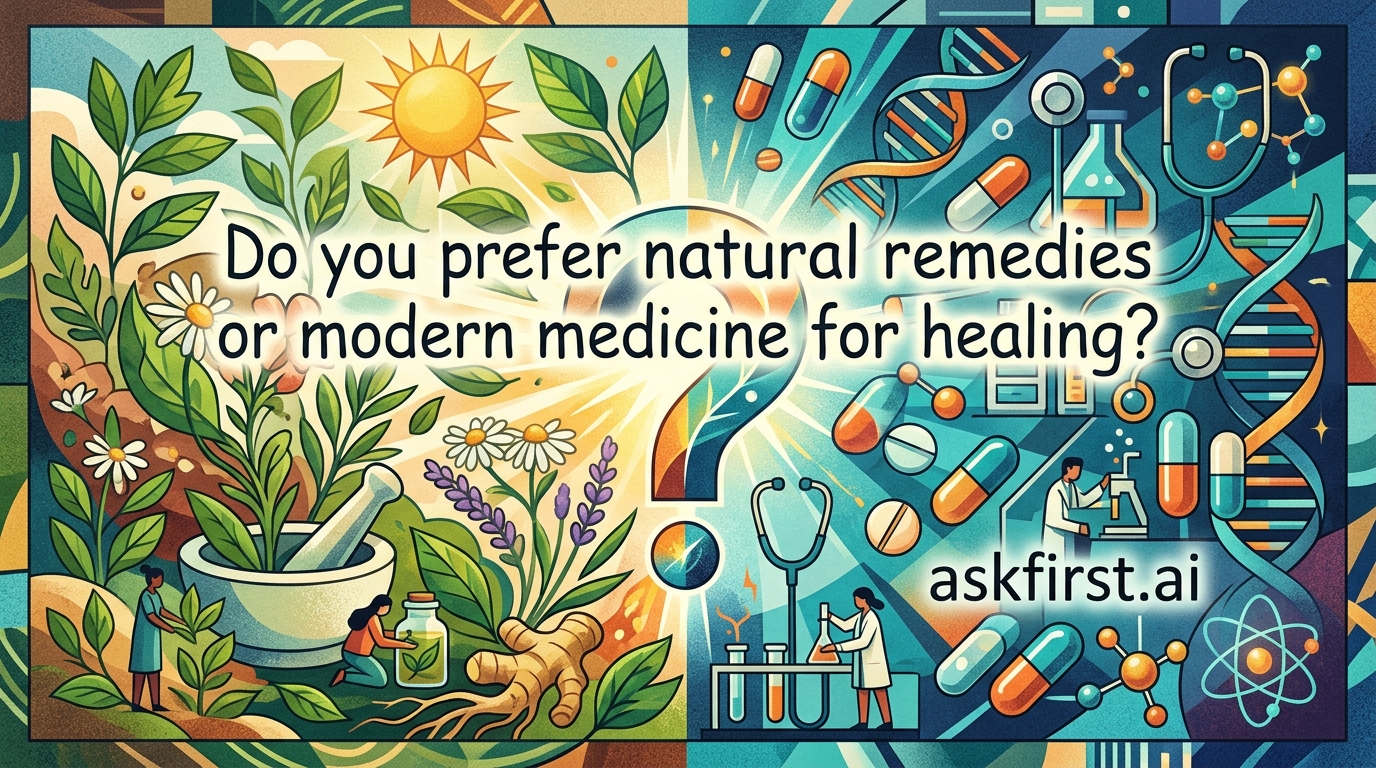
The tension between natural remedies and modern medicine is a cornerstone of global health discussions. Often portrayed as a binary choice, the reality is far more nuanced, reflecting the historical evolution of human survival strategies. To understand which path holds more efficacy, one must analyze the pharmacological, historical, and practical frameworks governing both approaches.
The Foundations of Natural Remedies
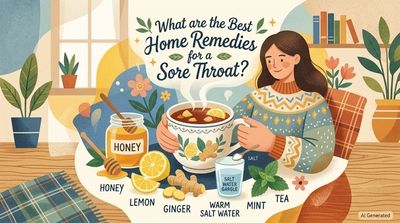
Natural remedies have served as the bedrock of human health for millennia. These traditional practices rely on plant-based compounds, essential oils, and dietary modifications to support the body’s innate healing processes. From the use of willow bark for pain relief—the precursor to aspirin—to the utilization of honey for wound care, the history of medicine is inseparable from botanical exploration.
- Bio-Individualization: Proponents argue that natural remedies often treat the 'whole person' rather than targeting a specific symptom. This holistic perspective emphasizes lifestyle, mental health, and nutrient intake.
- Preventative Focus: Many natural practices focus on building resilience through nutrition, adaptogens, and herbal supplementation, theoretically preventing illness before it takes root.
- Sustainability: When sourced responsibly, natural remedies can have a lower ecological footprint compared to the industrial manufacturing required for synthetic pharmaceuticals.
The Power of Modern Medicine
Modern medicine, or allopathic medicine, represents the pinnacle of empirical research, surgical advancement, and acute symptom management. Its core strength lies in its commitment to the scientific method, rigorous peer review, and standardized dosage protocols that ensure safety and consistency.
- Crisis Intervention: There is no substitute for modern medicine in trauma care, emergency surgery, or infectious disease control. The development of vaccines and antibiotics has significantly increased global life expectancy.
- Precision and Efficacy: Pharmaceutical agents are developed to interact with specific molecular pathways in the body. This targeted approach allows for the effective management of chronic conditions, such as hypertension or autoimmune disorders, that would have been fatal in previous centuries.
- Standardized Quality Control: Every prescription medication undergoes multi-phase clinical trials to test for efficacy, toxicity, and side effects. This level of oversight provides a safety net that uncontrolled botanical supplements often lack.
Bridging the Divide: Integrative Healthcare
Leading experts in the field suggest that the future of wellness is not a battle between these two schools of thought but rather a synthesis. Integrative medicine combines the best of both worlds—leveraging the rapid, life-saving capabilities of modern technology with the gentle, symptom-supportive nature of traditional remedies.
Consider the management of chronic stress. Modern medicine might provide tools to analyze blood cortisol levels and prescribe clinical interventions if necessary. Simultaneously, natural remedies like Ashwagandha (Withania somnifera) or Magnesium supplementation can be employed as supportive measures to modulate the stress response without relying on heavy pharmaceuticals.
The Critical Safety Warning
It is essential to acknowledge the 'Naturalistic Fallacy'—the mistaken belief that because something is natural, it is inherently safe. Many potent substances exist in nature that can be toxic or interact dangerously with conventional medications. For example, St. John's Wort, often used for mood support, is notorious for interfering with the efficacy of life-saving drugs like oral contraceptives and anticoagulants. Therefore, consultation with a licensed medical professional is mandatory before integrating any remedy into a health regimen.
Evidence-Based Perspectives
Scientific research continues to illuminate the mechanisms behind both systems. Modern pharmacology frequently looks toward nature for molecular 'inspiration.' The drug Metformin, used for diabetes management, was derived from the French lilac plant. By acknowledging that many drugs are merely refined, standardized versions of natural compounds, the perceived gap between these two worlds begins to shrink. The ultimate goal should be accessibility, patient agency, and scientifically validated safety, regardless of the origin of the treatment.
Conclusion: The Path Toward Healing
Instead of choosing between natural remedies and modern medicine, the wise approach is to cultivate an evidence-based perspective that values safety and efficacy above all else. Whether it is utilizing sterile hospital equipment to mend a broken bone or sipping ginger tea to soothe an upset stomach, both systems have earned their place in the human experience. Optimal healing results from a balanced life where modern science protects against acute threats while natural wisdom supports long-term vitality and systemic balance. Educating oneself, questioning sources, and prioritizing professional guidance ensures that every healing decision is informed and responsible.