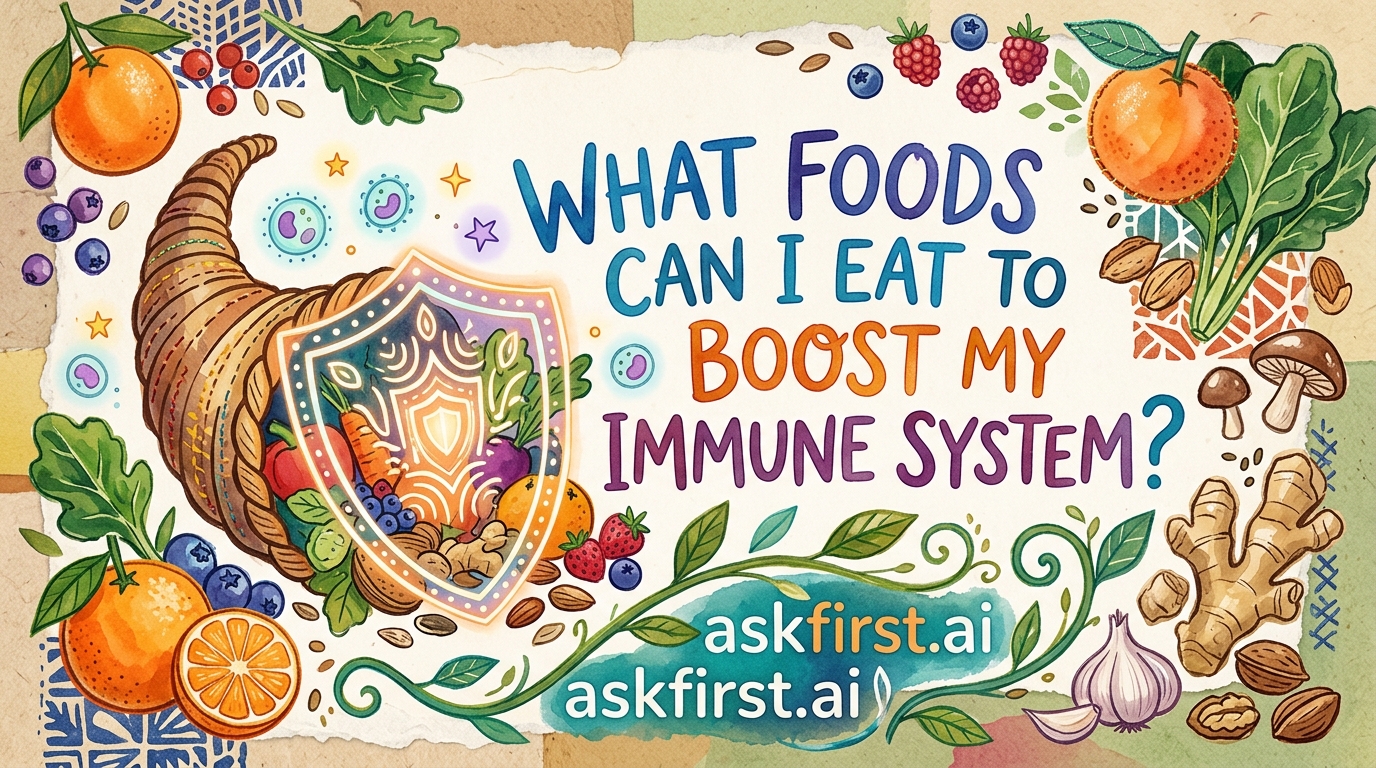
Optimizing Human Immunity Through Nutritional Strategy
The human immune system is a sophisticated, multi-layered defense network that requires a consistent supply of specific micronutrients and phytochemicals to function at its peak. While no single "superfood" can prevent illness entirely, the synergy of a nutrient-dense diet provides the biological infrastructure necessary for white blood cell production, antibody synthesis, and the regulation of inflammatory responses. To bolster your body’s resilience, one must move beyond simple calorie counting and focus on the biochemical contributions of whole, unprocessed foods.
The Power of Vitamin C and Citrus Bioflavonoids
Vitamin C is perhaps the most well-known immune supporter, yet its mechanism is often misunderstood. It acts primarily as a powerful antioxidant that protects immune cells from the oxidative stress generated during the process of fighting off pathogens.
- Citrus Fruits: Oranges, grapefruits, lemons, and limes are excellent sources. However, as noted by Dr. Linus Pauling in his seminal work Vitamin C and the Common Cold, the bioavailability of these nutrients is highest when consumed in their whole form rather than processed juices, which often lack the essential fiber and bioflavonoids that aid absorption.
- Bell Peppers: Interestingly, red bell peppers contain nearly three times the Vitamin C of a medium orange. Including these in your diet provides a significant boost without the high sugar content found in some fruits.
The Role of Zinc and Selenium in Cellular Defense
Zinc is essential for the development and function of immune cells, particularly T-lymphocytes, which are responsible for identifying and neutralizing foreign invaders. A deficiency in zinc can lead to a significant suppression of immune function.
- Shellfish: Oysters are the gold standard for zinc intake. According to The Encyclopedia of Healing Foods by Michael Murray and Joseph Pizzorno, a single serving of oysters can provide several times the daily recommended intake of zinc.
- Seeds and Legumes: For plant-based sources, pumpkin seeds, hemp seeds, and chickpeas are indispensable. They also provide fiber, which supports the gut microbiome—a critical component of the immune system.
- Brazil Nuts: These are the richest natural source of selenium. Selenium is a trace mineral that plays a vital role in reducing oxidative stress and inflammation, thereby allowing the immune system to respond more efficiently to threats.
Gut Health: The Foundation of Immunity
Approximately 70% to 80% of the human immune system resides in the gut-associated lymphoid tissue (GALT). Therefore, maintaining a diverse and healthy microbiome is non-negotiable for immune health.
- Fermented Foods: Foods like kimchi, sauerkraut, kefir, and miso are teeming with probiotics. As highlighted by Dr. Justin Sonnenburg and Erica Sonnenburg in their book The Good Gut, these live microorganisms help train the immune system to distinguish between harmless food proteins and dangerous pathogens.
- Prebiotic Fiber: You must feed the beneficial bacteria in your gut. Garlic, onions, leeks, and asparagus serve as prebiotics, providing the fuel (inulin and fructooligosaccharides) that allows probiotics to thrive. Garlic, in particular, contains allicin, a compound that has been studied extensively for its antimicrobial properties.
The Anti-Inflammatory Synergy of Turmeric and Ginger
Chronic inflammation is the enemy of a strong immune response; it exhausts the system and prevents it from reacting effectively to new threats. Incorporating anti-inflammatory spices is a practical strategy for long-term health.
- Turmeric: The active compound, curcumin, is a potent anti-inflammatory agent. However, as documented in various pharmacological studies, curcumin is poorly absorbed by the body on its own. To maximize its efficacy, it should be consumed with black pepper, which contains piperine—a compound that increases curcumin absorption by up to 2,000%.
- Ginger: Gingerol, the primary bioactive compound in fresh ginger, possesses significant antioxidant and anti-inflammatory properties. It is particularly effective at soothing the respiratory tract and supporting the body during the early stages of a cold or flu.
Leafy Greens and the Importance of Vitamin A and E
Dark, leafy greens such as spinach, kale, and Swiss chard are nutritional powerhouses. They are rich in Vitamin A (via beta-carotene), which is necessary for the integrity of the mucosal surfaces in the respiratory and digestive tracts—our body’s first line of defense against infection. Furthermore, Vitamin E, found abundantly in almonds, sunflower seeds, and spinach, acts as a fat-soluble antioxidant that protects cell membranes from damage.
Conclusion: A Holistic Approach
Bolstering your immune system is not a temporary fix; it is a lifestyle commitment. By prioritizing whole foods over processed alternatives, you provide your body with the raw materials needed for cellular repair and defense. Aim for a "rainbow" approach to your plate, ensuring you consume a variety of colors to capture a broad spectrum of phytonutrients.
Remember that nutrition is only one pillar of immunity. Adequate sleep, consistent physical activity, and effective stress management are equally critical. When you combine a high-quality diet with these lifestyle factors, you create an environment where your immune system can operate with maximum efficiency, ensuring your body remains resilient against both daily stressors and environmental pathogens. Consult with a qualified nutritionist or healthcare provider if you have specific health conditions, as individual needs may vary based on your unique metabolic profile.