Managing sinusitis, or rhinosinusitis, requires a multifaceted approach that addresses both the immediate symptoms of inflammation and the underlying triggers, whether they be viral, bacterial, or allergic in nature. Sinusitis involves the inflammation of the mucous membranes lining the paranasal sinuses, leading to congestion, facial pain, and pressure. Effectively navigating this condition necessitates a transition from self-care measures to professional medical intervention when symptoms persist beyond the typical acute window.
Understanding the Clinical Scope of Sinusitis
Sinusitis is generally classified by duration: acute (less than 4 weeks), subacute (4 to 12 weeks), and chronic (more than 12 weeks). According to the Clinical Practice Guideline: Adult Sinusitis published by the American Academy of Otolaryngology-Head and Neck Surgery, the vast majority of acute cases are viral in origin and do not require antibiotics. The primary goal in these instances is symptom management rather than eradication of a pathogen.
When managing the condition, one must differentiate between viral rhinosinusitis—which typically improves within 7 to 10 days—and bacterial rhinosinusitis, which is often characterized by a "double-sickening" pattern, where a patient initially improves but then experiences a sudden worsening of symptoms.
Conservative Self-Care and Symptom Relief
For most individuals, the first line of defense is conservative management focused on promoting sinus drainage and reducing mucosal edema.
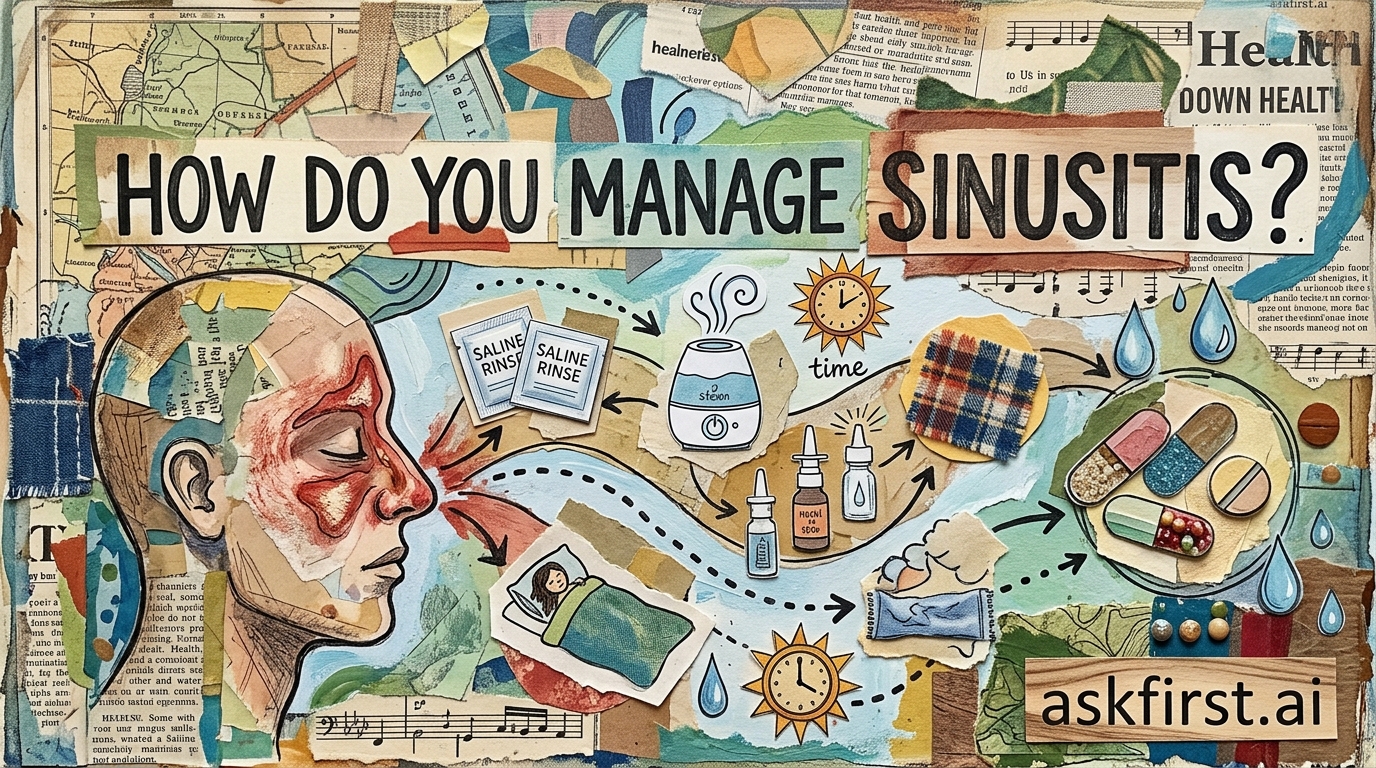
- Saline Irrigation: Utilizing a neti pot or a saline squeeze bottle is one of the most effective ways to physically flush out mucus, allergens, and inflammatory mediators. As noted by Dr. Murray Grossan in his work on The Sinus Cure, saline irrigation helps restore the function of the cilia, the microscopic hair-like structures that move mucus out of the sinuses. It is crucial to use distilled, sterile, or previously boiled water to prevent the introduction of pathogens.
- Humidification: Dry air can irritate the nasal passages. Using a cool-mist humidifier maintains moisture in the mucosal lining, preventing the mucus from becoming thick and stagnant.
- Warm Compresses: Applying a warm, moist towel to the bridge of the nose and cheeks can alleviate facial pain and pressure by promoting local vasodilation and soothing inflamed tissues.
- Hydration: Increasing systemic fluid intake keeps mucus thin, making it easier for the sinus ostia (the small openings) to clear the drainage into the nasal cavity.
Pharmacological Interventions
When self-care is insufficient, over-the-counter and prescription medications become necessary to control the inflammatory cascade.
- Intranasal Corticosteroids: Medications such as fluticasone or mometasone are the gold standard for long-term management, particularly in chronic cases. These reduce the underlying inflammation of the nasal lining, allowing the sinuses to drain more effectively.
- Decongestants: While oral pseudoephedrine or topical oxymetazoline can provide rapid relief for congestion, they should be used with extreme caution. Topical decongestants, if used for more than three days, can lead to rhinitis medicamentosa, a rebound effect where the nasal passages swell even more severely once the medication is stopped.
- Mucolytics: Agents such as guaifenesin are often recommended to thin the mucus, though clinical evidence regarding their efficacy in acute sinusitis remains mixed compared to mechanical irrigation.
Identifying the Need for Antibiotics
A common pitfall in sinusitis management is the premature use of antibiotics. Because most cases are viral, antibiotics provide no clinical benefit and contribute to antimicrobial resistance. However, if symptoms persist for more than 10 days without improvement, or if there is severe pain, high fever, or the aforementioned "double-sickening" pattern, a clinician may prescribe antibiotics. Amoxicillin or amoxicillin-clavulanate are typically the first-line choices, as outlined in the Red Book (Report of the Committee on Infectious Diseases).
Managing Chronic Sinusitis and Environmental Triggers
Chronic sinusitis often involves an underlying inflammatory driver, such as allergies or structural issues like a deviated nasal septum or nasal polyps. Managing this requires a long-term strategy:
- Allergy Control: If environmental allergens are the trigger, managing exposure through HEPA filtration and using oral antihistamines or intranasal antihistamines can prevent the inflammatory cycle from starting.
- Surgical Intervention: In cases where medical management fails, functional endoscopic sinus surgery (FESS) may be necessary. As described in Cummings Otolaryngology: Head and Neck Surgery, FESS aims to enlarge the sinus ostia to improve aeration and drainage, often providing significant relief for patients with recurrent or chronic obstructive disease.
Conclusion
Managing sinusitis is not a one-size-fits-all process. It begins with rigorous self-care—specifically saline irrigation and moisture maintenance—to support the body's natural clearance mechanisms. When inflammation becomes persistent or severe, the integration of intranasal steroids and, in specific bacterial cases, targeted antibiotics, becomes vital. Ultimately, the key to success lies in distinguishing between transient viral inflammation and chronic, obstructive, or bacterial disease. If facial pressure, sinus pain, or congestion fails to resolve within the standard two-week window, consultation with an otolaryngologist is essential to rule out anatomical obstructions or secondary infections that require more aggressive medical or surgical intervention. By maintaining a consistent, evidence-based approach, most patients can successfully minimize the impact of sinusitis on their quality of life.