Understanding Ebola Virus Disease: Clinical Manifestations and Pathophysiology
Ebola Virus Disease (EVD), formerly known as Ebola hemorrhagic fever, remains one of the most lethal viral infections known to humanity. Since its initial identification in 1976 near the Ebola River in what is now the Democratic Republic of the Congo, the virus has triggered recurring outbreaks across sub-Saharan Africa. Understanding the clinical presentation of EVD is critical for early intervention, containment, and public health management. The following analysis details the complex symptomatic progression of the virus, its systemic impact, and the clinical markers observed by healthcare professionals globally.
The Incubation Period and Early Onset
The incubation period for Ebola—the time between exposure to the virus and the manifestation of initial symptoms—ranges from 2 to 21 days, with an average of 8 to 10 days. During this window, an infected individual is typically not contagious. The onset of the disease is notoriously sudden and often mimics common tropical illnesses such as malaria or typhoid fever, which frequently leads to diagnostic confusion in the early stages.
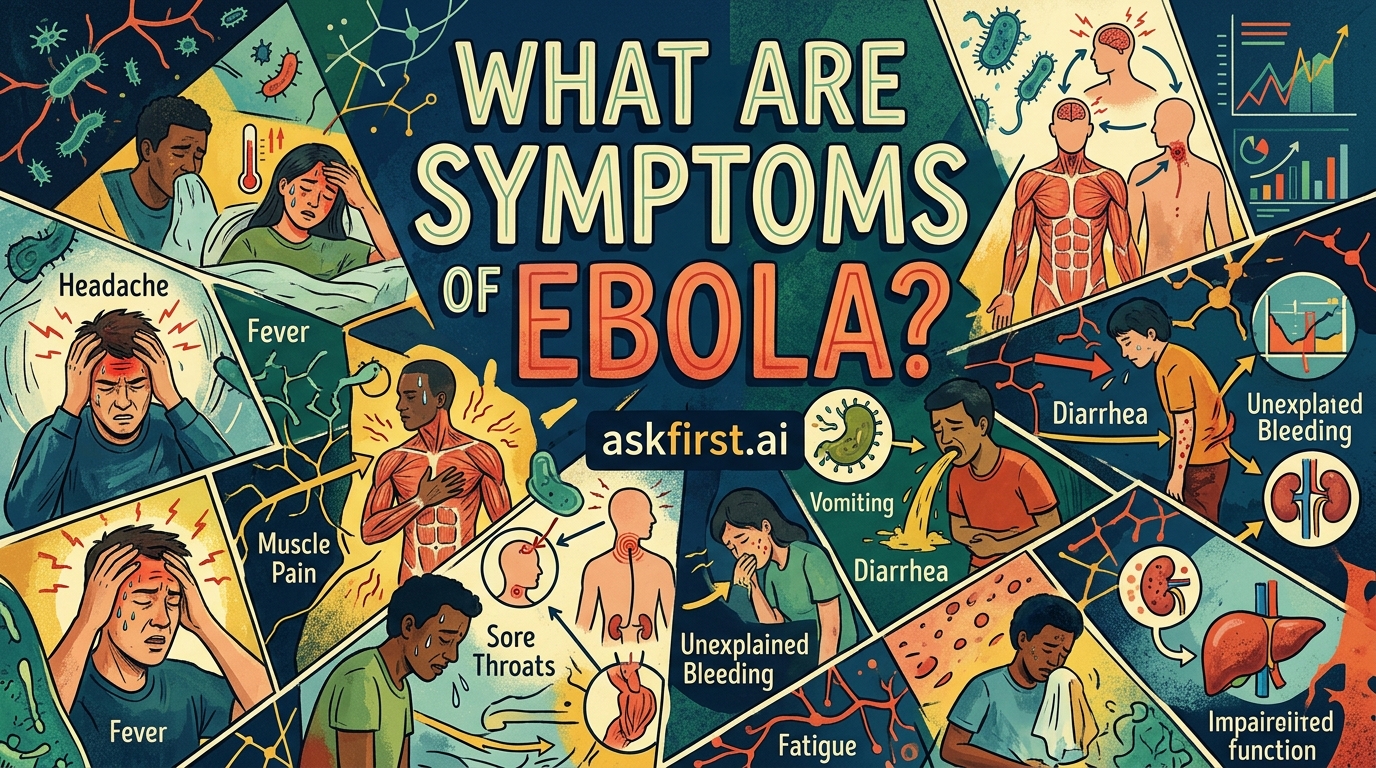
The primary symptoms at the onset are non-specific but severe:
- High-grade fever: An abrupt rise in body temperature is the most consistent hallmark of the disease.
- Extreme fatigue: Patients describe a profound sense of exhaustion that exceeds typical malaise.
- Muscular and joint pain: Myalgia and arthralgia are common, often described as deep, aching sensations.
- Severe headaches: These are typically intense and persistent, often accompanied by photophobia.
According to the World Health Organization (WHO) Fact Sheets on Ebola, these symptoms represent the "dry" phase of the illness, where the virus begins to replicate rapidly throughout the body, targeting immune cells and impairing the body’s ability to regulate its own defense mechanisms.
Gastrointestinal Progression: The "Wet" Phase
As the viral load increases, the infection transitions into a more systemic and debilitating phase, often referred to as the "wet" phase. This stage is characterized by severe gastrointestinal distress, which poses the highest risk for dehydration and electrolyte imbalance. Patients typically begin to experience:
- Profuse, watery diarrhea: This often occurs shortly after the onset of fever.
- Vomiting: Persistent emesis prevents oral rehydration, leading to rapid clinical deterioration.
- Abdominal pain: Sharp, cramping pain is frequently reported.
Dr. Peter Piot, one of the co-discoverers of the Ebola virus, notes in his memoir, No Time to Lose: A Life in Pursuit of Deadly Viruses, that the rapid depletion of bodily fluids in this phase is a primary driver of mortality if aggressive supportive care is not administered. The loss of fluids is so extreme that it can lead to hypovolemic shock, where the heart is unable to pump enough blood to the body's organs.
Hemorrhagic Manifestations and Systemic Failure
Contrary to popular media depictions, overt hemorrhaging—bleeding from the eyes, nose, or gums—does not occur in every patient. When it does happen, it is a sign of late-stage disease and severe coagulopathy (the inability of the blood to clot).
The underlying mechanism involves the virus interfering with the body’s clotting factors and damaging the lining of blood vessels. This leads to:
- Petechiae and ecchymoses: Small red or purple spots caused by bleeding under the skin.
- Mucosal bleeding: Bleeding from the gums, nose, or gastrointestinal tract.
- Organ failure: The virus induces systemic inflammation, leading to multi-organ dysfunction, particularly in the kidneys and liver.
In The Hot Zone by Richard Preston, the author provides a harrowing, albeit dramatized, account of the systemic collapse caused by filoviruses, highlighting the extreme physiological stress placed on the patient during this terminal phase.
Neurological and Respiratory Symptoms
As the infection progresses, patients may exhibit neurological symptoms, including confusion, agitation, and in severe cases, seizures or coma. These symptoms often stem from the metabolic disturbances caused by organ failure and the systemic inflammatory response syndrome (SIRS). Additionally, some patients develop a persistent cough, chest pain, or difficulty breathing, which are indicative of secondary respiratory involvement.
Conclusion: The Importance of Early Recognition
Recognizing the symptoms of Ebola is a race against time. Because the early indicators are so generalized, clinical suspicion must remain high for any individual presenting with fever and recent travel history to an affected region or contact with potential carriers.
Modern medicine has made significant strides in managing these symptoms through aggressive supportive care—specifically early fluid resuscitation, electrolyte replacement, and the use of monoclonal antibody treatments like Inmazeb and Ebanga, which have been shown to significantly reduce mortality rates. The key to surviving Ebola lies in the rapid identification of these symptoms followed by immediate isolation and high-quality supportive medical intervention. By understanding the progression from the "dry" onset to the potential "wet" systemic collapse, medical professionals and the public alike can better navigate the dangers of this formidable pathogen.