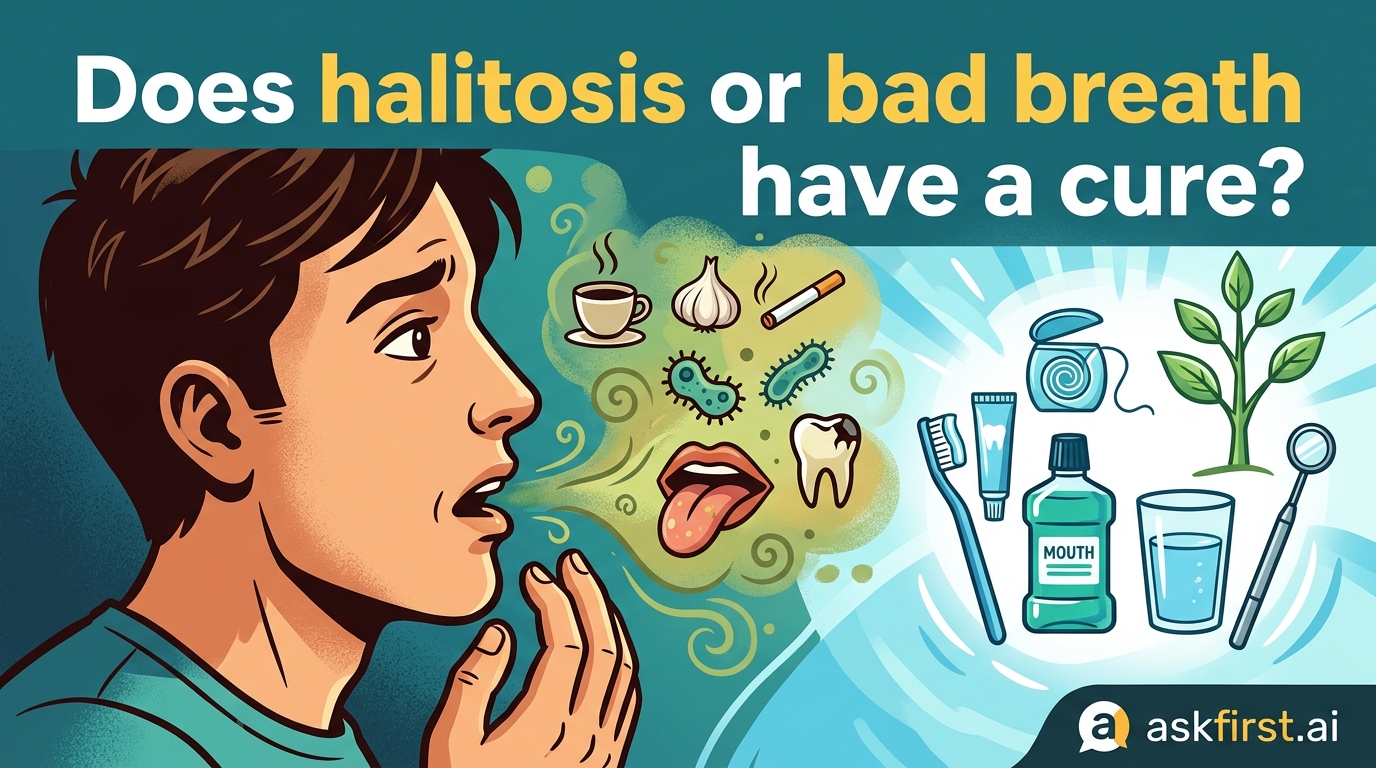
The Clinical Reality of Halitosis: Understanding, Managing, and Resolving Bad Breath
Halitosis, commonly known as bad breath, is a condition that transcends simple social awkwardness; it is a complex physiological phenomenon that can originate from a myriad of systemic, dental, and lifestyle sources. While many individuals fear that halitosis is a permanent affliction, the medical consensus is clear: in the vast majority of cases, it is not only manageable but entirely curable once the underlying etiology is identified and addressed. To treat halitosis effectively, one must look beyond temporary masking agents like mints or mouthwash and investigate the biological mechanisms driving the odor.
The Oral Microbiome and Volatile Sulfur Compounds (VSCs)
The primary cause of chronic bad breath is the production of Volatile Sulfur Compounds (VSCs)—specifically hydrogen sulfide, methyl mercaptan, and dimethyl sulfide. These compounds are the gaseous byproduct of anaerobic bacteria breaking down proteins, cellular debris, and food particles in the mouth.
Dr. Mel Rosenberg, a pioneering researcher in the field of oral malodor at Tel Aviv University, notes in his seminal works on the subject that the tongue is the most common "reservoir" for these bacteria. The dorsal surface of the tongue, characterized by its irregular, papilla-covered terrain, provides the perfect anaerobic environment for bacteria to thrive, protected from the cleansing action of saliva.
- The Tongue Coating: The white or yellowish film often visible on the back of the tongue is a dense colony of bacteria.
- The Solution: Mechanical debridement. Using a tongue scraper rather than a toothbrush is significantly more effective at removing this biofilm. Clinical studies consistently demonstrate that twice-daily scraping can reduce VSC levels by over 70%.
Periodontal Health and Dental Pathology
If oral hygiene is impeccable and the tongue is clean, yet the odor persists, the focus must shift to the gingival pockets and dental structures. Periodontal disease (gum disease) creates deep pockets between the teeth and gums where bacteria can proliferate, shielded from normal brushing.
According to Carranza’s Clinical Periodontology, a foundational text in dental medicine, chronic periodontitis is a leading cause of persistent halitosis. When bacteria accumulate in these pockets, they release toxins that cause inflammation and produce foul-smelling gases. In this scenario, the "cure" is not an over-the-counter rinse but professional intervention. Scaling and root planing—a deep cleaning procedure performed by a dentist or periodontist—is necessary to remove the calculus (tartar) that sustains the bacterial colony. Once the periodontal infection is resolved, the malodor typically dissipates.
Extra-Oral Causes: When the Mouth Is Only the Messenger
It is a common misconception that halitosis always originates in the oral cavity. In approximately 10% to 15% of cases, the odor emanates from systemic conditions or the upper respiratory tract.
- Tonsilloliths (Tonsil Stones): These are calcified accumulations of debris, mucus, and bacteria that lodge in the crypts of the tonsils. They are notoriously pungent. Dr. Harold Katz, founder of The California Breath Clinics, emphasizes that removing these stones—often through gargling with specific oxygenating agents or, in severe cases, surgical removal—is the only way to eliminate this specific source of odor.
- Gastrointestinal and Metabolic Issues: While rare, conditions like Gastroesophageal Reflux Disease (GERD) can allow stomach gases to escape into the esophagus. Furthermore, metabolic disorders (such as trimethylaminuria or uncontrolled diabetes) can cause breath to take on specific scents, such as a fruity or acetone-like smell. In these instances, the cure lies in treating the underlying medical condition through gastroenterology or endocrinology.
- Xerostomia (Dry Mouth): Saliva is the mouth’s natural detergent. It contains enzymes and oxygen that neutralize acids and inhibit bacterial growth. When salivary flow is reduced—due to medications, dehydration, or Sjögren’s syndrome—the mouth becomes an incubator for odor-causing bacteria. Increasing hydration and using saliva substitutes are essential curative steps.
The Diagnostic Path to a Cure
To "cure" halitosis, one must stop guessing and start diagnosing. The most effective protocol involves a systematic audit of one’s health:
- Step 1: The Dental Audit. Schedule a comprehensive exam to rule out cavities, failing restorations, and periodontal disease.
- Step 2: The Mechanical Audit. Evaluate your hygiene tools. Are you flossing daily? Are you using a tongue scraper? Are you cleaning between your teeth where 40% of the tooth surface area resides?
- Step 3: The Dietary Audit. High-protein diets and the consumption of pungent foods (garlic, onions) can lead to temporary halitosis as these compounds enter the bloodstream and are expelled through the lungs.
- Step 4: The Medical Consultation. If oral and dental sources are ruled out, consult an ENT (Ear, Nose, and Throat) specialist to examine the sinuses and tonsils, or a GP to check for metabolic or gastric triggers.
Conclusion
Halitosis is rarely an incurable condition. Because it is almost always a symptom of a localized or systemic issue, the "cure" is synonymous with the resolution of that underlying cause. By shifting from a mindset of masking the odor to one of biological management—focusing on mechanical cleaning, maintaining periodontal health, and addressing systemic triggers—individuals can effectively eliminate chronic bad breath. The journey to fresh breath is not found in the aisle of a pharmacy buying stronger mouthwashes, but in the chair of a dental professional and the consistency of a rigorous, evidence-based oral hygiene routine.