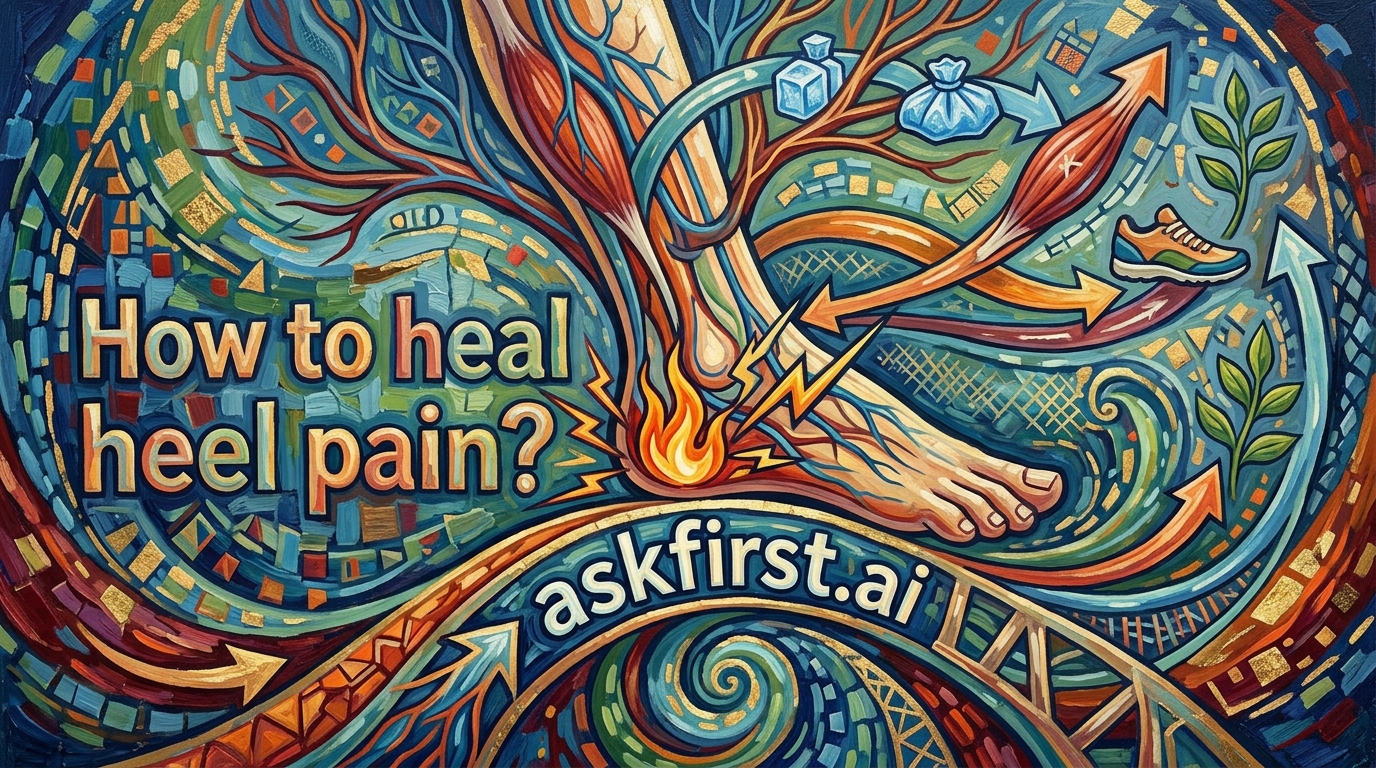
Heel pain is one of the most common orthopedic complaints encountered in clinical practice, affecting millions of individuals globally. Whether characterized by a sharp, stabbing sensation upon taking the first steps in the morning or a dull, throbbing ache after a long day of standing, the discomfort can be debilitating. To address heel pain effectively, one must understand the underlying biomechanical and inflammatory causes, primarily focusing on conditions such as plantar fasciitis, Achilles tendinitis, and calcaneal stress fractures.
Understanding the Anatomy of Heel Pain
The heel is the largest bone in the foot, the calcaneus, which serves as the foundation for our entire kinetic chain. When we experience pain here, it is rarely a mystery of "bad luck" but rather a result of repetitive micro-trauma. According to Dr. James Brodsky, a prominent orthopedic surgeon and contributor to the American Academy of Orthopaedic Surgeons (AAOS) guidelines, the most frequent culprit is plantar fasciitis. This condition involves the inflammation of the thick band of tissue (the plantar fascia) that spans the bottom of the foot, connecting the heel bone to the toes.
When this tissue is subjected to excessive tension—often due to flat feet, high arches, or improper footwear—it develops microscopic tears. The pain is typically most acute during the first few steps after waking because the fascia tightens overnight in a shortened position and is suddenly stretched when weight is applied.
Conservative Management: The Foundation of Healing
Healing the heel is a marathon, not a sprint. Most experts, including Dr. Richard Buchbinder in his clinical reviews for the Journal of the American Medical Association (JAMA), emphasize that 90% of cases resolve with conservative, non-surgical treatment within six to twelve months.
- Rest and Activity Modification: The first line of defense is identifying the "aggregator." If you are a runner, you must temporarily swap high-impact activities for low-impact alternatives like cycling or swimming. This allows the inflammatory cycle to break.
- Targeted Stretching Protocols: Stretching is non-negotiable. The Sports Medicine journal suggests a regimen focusing on both the plantar fascia and the gastrocnemius (calf) muscles. A simple, effective exercise is the "wall stretch," where you lean against a wall with your back leg straight and heel pressed firmly into the floor. Hold this for 30 seconds, repeating three times daily.
- Orthotic Support: Over-the-counter arch supports or custom-made orthotics can redistribute pressure away from the calcaneus. In his seminal work, The Foot and Ankle: A Comprehensive Guide, Dr. Steven Haddad highlights that providing structural support to the longitudinal arch reduces the "bowstring" effect on the plantar fascia, alleviating strain.
The Role of Physical Therapy and Modalities
If home care fails to provide relief after several weeks, professional physical therapy is the next logical step. A physical therapist will often employ instrument-assisted soft tissue mobilization (IASTM) or deep tissue massage to break up adhesions in the fascia.
Furthermore, night splints—devices that keep the foot in a neutral, slightly dorsiflexed position while you sleep—prevent the fascia from shortening overnight. By keeping the tissue elongated, you avoid the painful "first step" syndrome. Another modern intervention is Extracorporeal Shock Wave Therapy (ESWT). As discussed in the Journal of Orthopaedic & Sports Physical Therapy, ESWT uses sound waves to stimulate blood flow and trigger the body’s natural healing response in chronic, recalcitrant cases.
Lifestyle Factors and Footwear Selection
Your daily environment plays a massive role in recovery. Walking barefoot on hard surfaces, such as tile or hardwood floors, is a primary trigger for heel pain. Always wear supportive slippers or shoes inside the house. When selecting athletic footwear, look for a shoe with a firm heel counter and adequate cushioning. Experts at the Mayo Clinic advise replacing athletic shoes every 300 to 500 miles, as the midsole foam loses its shock-absorbing capacity long before the tread wears out.
When to Seek Medical Intervention
While most heel pain is mechanical, it is vital to rule out systemic issues like rheumatoid arthritis, gout, or nerve entrapment (such as tarsal tunnel syndrome). If you experience numbness, tingling, radiating pain into the calf, or significant swelling and redness, you must consult a podiatrist or orthopedic specialist. In rare instances, corticosteroid injections may be utilized to reduce severe inflammation, though these should be used sparingly due to the risk of fascia rupture.
Conclusion
Healing heel pain requires patience, consistency, and a multi-faceted approach. By combining mechanical support, diligent stretching, and deliberate activity modification, the vast majority of individuals can return to a pain-free life. Remember that the foot is a complex structure; treating the symptom is only half the battle. You must address the underlying biomechanical imbalances—whether they stem from tight calves, improper shoes, or overuse—to ensure the pain does not return. By following these evidence-based protocols, you can restore your mobility and regain the comfort necessary for your daily pursuits.