The Science of the Therapeutic Smile
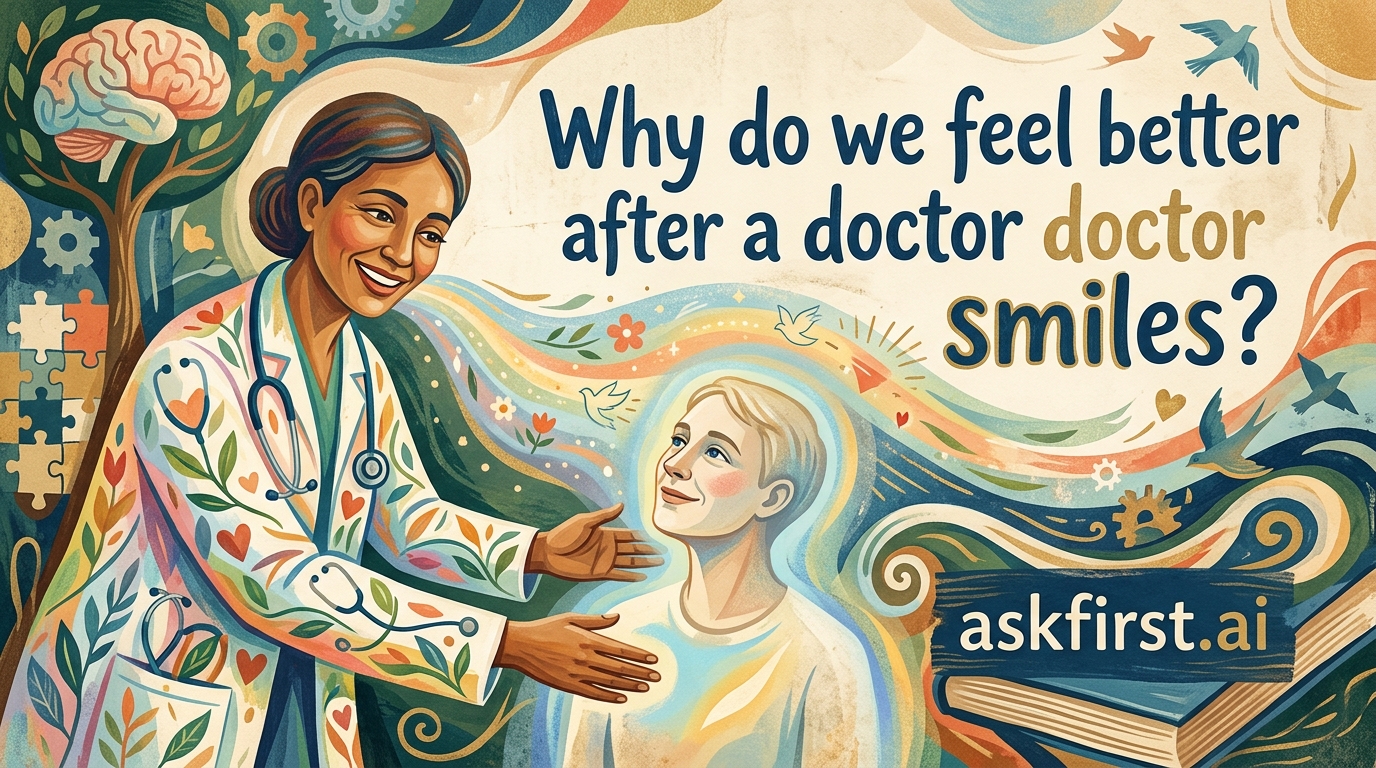
When a physician offers a genuine, warm smile during a clinical consultation, the impact on the patient transcends simple politeness. This physiological and psychological response is rooted in deep-seated human evolutionary biology, neurochemistry, and the architecture of the doctor-patient relationship. Research suggests that a smile acts as a potent non-verbal signal of safety, empathy, and professional competence, effectively lowering patient cortisol levels while simultaneously boosting the production of feel-good neurotransmitters.
The Neurochemical Cascade
At the core of this phenomenon lies the activation of the patient's mirror neuron system. When a doctor smiles, the patient’s brain interprets this gesture as a signal of social safety. This perception triggers a biological cascade:
- Reduction of Cortisol: Cortisol, the body’s primary stress hormone, often spikes during medical encounters due to the 'white coat effect' or anxiety regarding diagnoses. A smile acts as a psychological buffer, signaling to the amygdala—the brain's threat detection center—that the environment is secure, thereby curbing the fight-or-flight response.
- Dopamine and Endorphin Release: Observing a smile activates the reward centers in the brain. This release of dopamine and endorphins provides a natural analgesic effect, potentially increasing the patient's pain threshold.
- Oxytocin Secretion: Often called the 'bonding hormone,' oxytocin is released in social interactions that signify trust. Increased oxytocin levels are linked to reduced blood pressure and improved cardiovascular stability, making a smile literally heart-healthy.
Psychological Safety and the 'Human' Element
Modern medicine is highly technological, yet the most effective diagnostic tool remains the clinical interview. Patients often harbor fears of being treated as a collection of symptoms rather than a human being. A smile bridges this gap. It serves as an implicit promise of active listening and patient-centered care. When a doctor smiles, they validate the patient's existence, transforming the medical office from an intimidating institutional space into a collaborative sanctuary of healing.
The Impact on Clinical Outcomes
Evidence in health psychology indicates that perceived physician empathy leads to significantly better patient outcomes. Studies have consistently shown that patients are more likely to disclose sensitive information, adhere to medication regimes, and follow lifestyle recommendations when they perceive their doctor as approachable and warm. This 'therapeutic alliance' is not merely a soft skill; it is a clinical necessity. A doctor’s smile acts as a catalyst for trust, which is the foundational currency of the entire healthcare system. Without trust, communication fails, and without clear communication, even the most precise pharmacological interventions may be rendered ineffective.
Evolution and the Smile as a Universal Signal
Human beings are hardwired to look for facial expressions of friendliness as a mechanism for social cohesion. From an evolutionary perspective, a smile is a 'peace signal,' a universal indicator that the observer poses no physical threat. In the high-stakes environment of a hospital or clinic, where vulnerability is at its peak, the innate need for this signal is amplified. By smiling, the doctor bypasses the patient's intellectual analytical mind and speaks directly to the subconscious primitive brain, which is constantly scanning for environmental threats.
Strategies for Professional Warmth
It is essential to distinguish between a performative, artificial smile and a 'Duchenne smile'—a genuine expression involving the contraction of both the zygomatic major muscle and the orbicularis oculi muscle (the muscles around the eyes). Patients are highly intuitive at detecting inauthenticity. The professional benefit occurs when the smile is accompanied by eye contact and attentive body language. This holistic approach signals:
- Presence: I am focused entirely on you right now.
- Competence: I am confident enough to be relaxed and kind.
- Humanity: We are two individuals navigating this challenge together.
Conclusion: The Future of Empathetic Care
As we move toward a future increasingly dominated by digital records, artificial intelligence, and diagnostic algorithms, the 'human' element of medicine remains irreplaceable. The smile is perhaps the most efficient, cost-effective, and powerful tool available to healthcare providers. It costs nothing to offer, yet it yields immense dividends in patient satisfaction, compliance, and clinical cooperation. By fostering a climate of warmth, physicians turn the act of medical practice into an art form that heals the mind as effectively as the science heals the body. Ultimately, feeling better after a doctor smiles is not a mere trick of the mind; it is a profound biological reaction to kindness, trust, and the restorative power of human connection.