The Ancient Alchemy of Honey: Nature's Forgotten Wound Healer
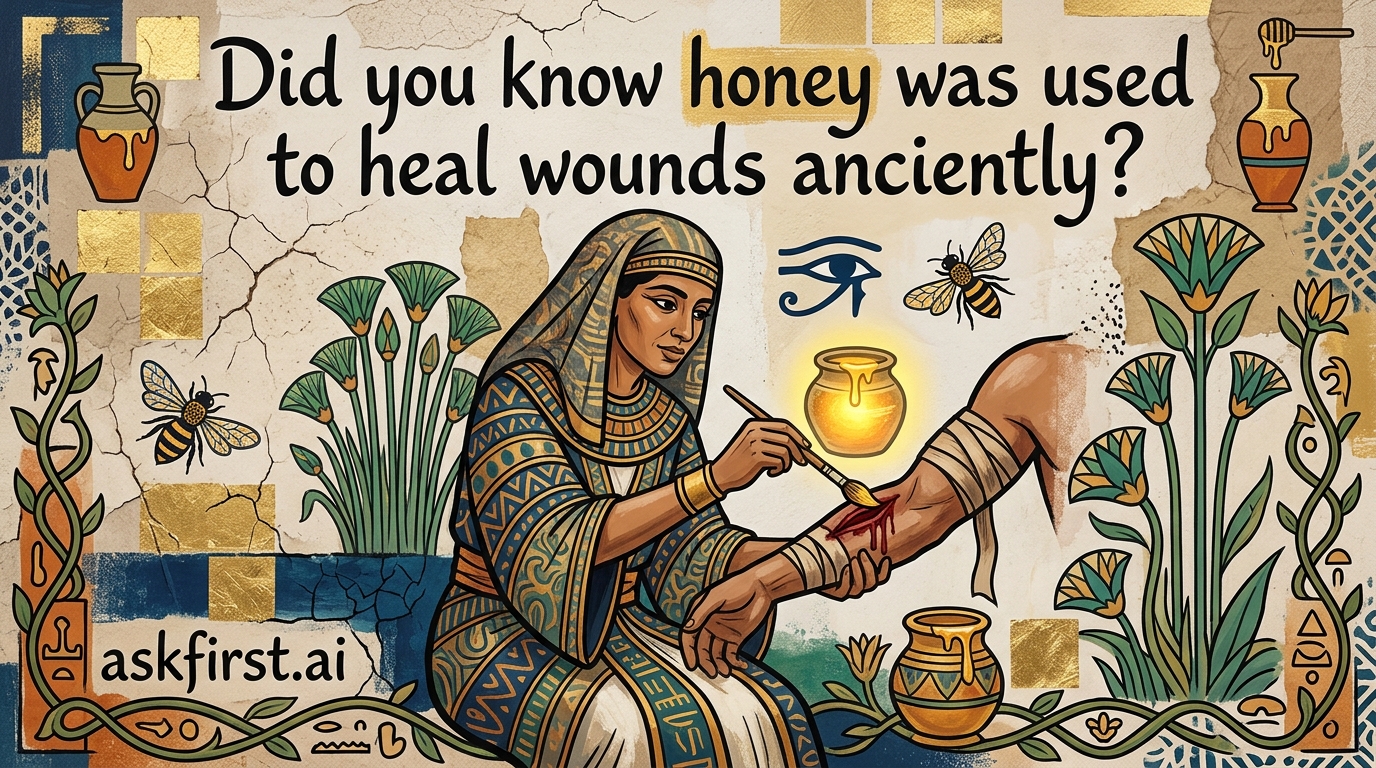
For millennia, before the advent of modern antibiotics and synthetic antiseptics, humanity turned to a singular, golden substance harvested from the hives of bees. Historical records indicate that the use of honey as a therapeutic agent for wounds, burns, and skin infections dates back to the dawn of civilization. From the Sumerians and Egyptians to the Greeks and Romans, honey was regarded as a divine panacea, a testament to nature's inherent wisdom.
The Science of the Golden Seal
Why does honey work so effectively on damaged tissue? The secret lies in a complex biochemical profile that goes far beyond simple sugar. The mechanism of honey as a wound-healing agent is multi-faceted:
- Osmotic Pressure: Honey is highly concentrated in sugar but low in moisture. This high osmolarity draws water out of bacterial cells, effectively dehydrating and neutralizing them. This osmotic effect is a primary barrier against infection.
- Hydrogen Peroxide Production: Upon contact with the wound bed, the enzyme glucose oxidase, introduced by bees, reacts with water to produce a low-level, steady release of hydrogen peroxide. This acts as a gentle yet potent antibacterial agent that cleanses the site without damaging delicate new tissue.
- Low pH Levels: Honey is naturally acidic, typically ranging from 3.2 to 4.5. Most pathogenic bacteria, which thrive in a more neutral environment, struggle to survive or multiply in this acidic pH range, which also promotes the release of oxygen from hemoglobin, accelerating tissue repair.
- Nutrient Density: Honey contains a rich array of amino acids, vitamins, minerals, and antioxidants (such as polyphenols and flavonoids). These compounds nourish the wound bed, supporting the proliferation of healthy cells and reducing oxidative stress during the healing process.
Historical Perspectives: A Legacy of Healing
Evidence for the use of honey as a medicinal dressing is abundant in the archaeological record. The Ebers Papyrus, an Egyptian medical text dating back to 1550 BC, documents the use of honey as a staple ingredient in various surgical pastes and topical dressings. The ancient Greeks, including Hippocrates, the father of medicine, prescribed honey for the treatment of ulcers, fistulas, and general skin injuries, noting its ability to soothe inflammation and reduce swelling.
In the Ayurvedic traditions of India, honey has long been used not only for its systemic health benefits but as a localized remedy for gangrene, ulcers, and burns. These cultures did not have the diagnostic tools of today, yet their observations regarding the reduction of pus, the prevention of 'foul odors' (which we now identify as the suppression of anaerobic bacterial growth), and the stimulation of granulation tissue were remarkably accurate.
Modern Clinical Resurgence
In the 21st century, as the rise of antibiotic-resistant strains of bacteria (such as MRSA) presents a significant challenge to conventional medicine, science has circled back to honey. Specifically, medical-grade honey—most notably Manuka honey, derived from the nectar of the Leptospermum scoparium shrub—has been subjected to rigorous clinical study.
Medical-grade honey is distinct from table honey. It undergoes sterilization, usually via gamma irradiation, to eliminate spores while preserving the potent enzymatic activity. This ensures it is safe for clinical application on chronic wounds, surgical incisions, and venous leg ulcers. Clinical trials have demonstrated that such dressings significantly reduce the time required for wound closure and inhibit the growth of biofilm, a slimy protective layer that bacteria secrete to survive antibiotic treatments.
A Cautionary Note on Methodology
While the ancient practice is backed by modern science, it is vital to distinguish between specialized medical treatments and common kitchen ingredients. The honey sold in supermarkets is often pasteurized at temperatures that destroy the essential enzymes responsible for these healing properties. Furthermore, non-sterile honey can contain botulism spores which, while harmless to adults with a healthy digestive tract, pose a severe risk if introduced into an open, compromised wound or the bloodstream.
Conclusion: The Future is Ancient
The historical reliance on honey serves as a powerful reminder that our ancestors possessed a sophisticated understanding of their environment. By returning to nature's pharmacopeia, modern medicine has reclaimed a versatile, cost-effective, and sustainable tool for healing. Whether applied through a specialized sterile dressing or studied for its biochemical complexities, honey remains one of the most intriguing intersections of ancient tradition and contemporary science.